
TL;DR

Get business pricing on tech for your team
- Business-only prices and quantity discounts
- Tax-exempt purchasing
- Multiple users, one account, clear invoices
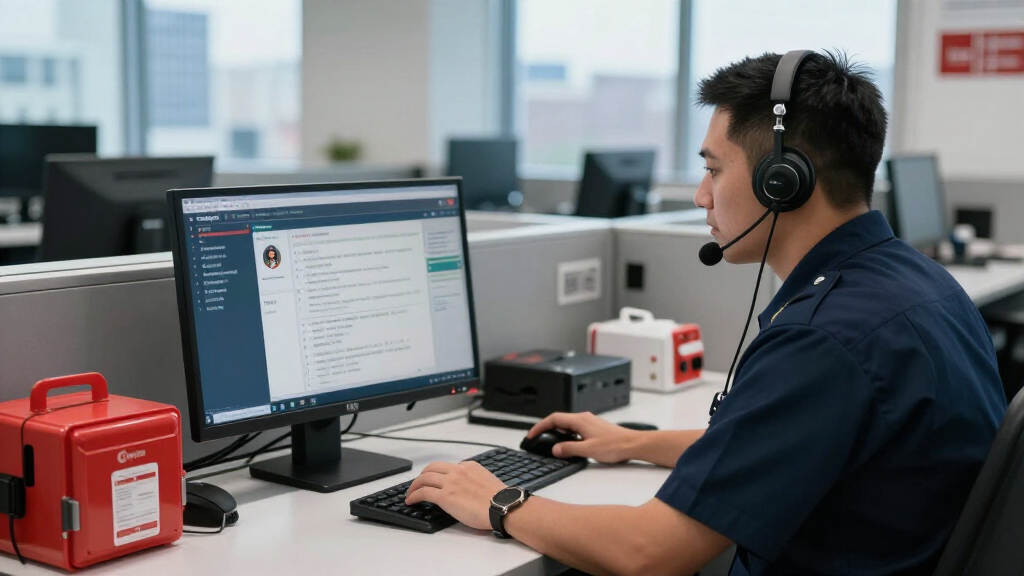
New Orleans is currently testing Carbyne’s AI-driven emergency call triage software to enhance dispatch accuracy. The trial aims to optimize emergency response times and resource allocation, with results expected soon.
New Orleans has begun testing Carbyne’s AI-powered emergency call triage software as part of an effort to improve emergency response efficiency. The trial, announced on March 25, 2024, aims to evaluate whether the technology can better prioritize calls and allocate resources, potentially transforming how the city manages emergency dispatches.
The city’s emergency management department confirmed that the pilot program started earlier this month and involves integrating Carbyne’s AI system into existing dispatch workflows. The software uses artificial intelligence to analyze incoming calls, identify the severity of incidents, and suggest appropriate response levels in real-time. Officials emphasized that the system is currently in a testing phase, with human dispatchers overseeing the process.
According to a city spokesperson, the goal is to determine if the AI can reduce response times and improve accuracy in dispatching emergency services. The trial is expected to run for several months, with data being collected to assess performance. Carbyne, a provider of emergency response technology, claims its AI system has been used in other municipalities with positive results, but this is the first known pilot in New Orleans.
Potential Impact on Emergency Response Efficiency
This testing could lead to significant improvements in how emergency calls are prioritized and responded to in New Orleans. If successful, the AI triage system may reduce response times, improve resource allocation, and enhance overall public safety. The initiative also reflects a broader trend toward integrating artificial intelligence into public safety infrastructure, which could influence other cities’ emergency response strategies.
As an affiliate, we earn on qualifying purchases.
Background on AI Integration in Emergency Services
While AI has been increasingly adopted in various sectors, its application in emergency response remains in the early stages. Carbyne’s technology has been deployed in other regions, with claims of improved dispatch accuracy and efficiency. The city of New Orleans has been exploring innovative solutions to address longstanding challenges such as resource constraints and high call volumes. This trial represents a step toward modernizing emergency dispatch systems, aligning with broader efforts to incorporate advanced technology into public safety operations.
“Our AI triage software has shown promising results in other cities, and we look forward to working with New Orleans to see how it can enhance emergency response.”
— Carbyne spokesperson, Mark Reynolds
Uncertainties Surrounding AI Effectiveness and Implementation
It is not yet clear how the AI system will perform in the specific context of New Orleans’ emergency response environment. Details on the evaluation metrics, potential challenges, and integration issues remain undisclosed. Additionally, questions about data privacy, legal implications, and the system’s ability to handle complex or high-stress calls are still being addressed.
Next Steps and Evaluation Timeline for the AI Trial
The city plans to monitor the system’s performance over the coming months, with preliminary results expected by late summer 2024. Based on the data collected, officials will decide whether to expand, modify, or discontinue the use of Carbyne’s AI triage software. Further updates on the trial’s outcomes and potential policy changes are anticipated as the evaluation progresses.
Key Questions
What is Carbyne’s AI-powered emergency call triage software?
It is an artificial intelligence system designed to analyze emergency calls in real-time, assess incident severity, and assist dispatchers in prioritizing responses more accurately and quickly.
Why is New Orleans testing this technology?
The city aims to improve emergency response times, optimize resource deployment, and modernize its dispatch system by leveraging AI capabilities.
Will this replace human dispatchers?
No. The system is currently in a testing phase with human dispatchers overseeing operations to ensure safety and accuracy.
How long will the trial last?
The trial is expected to run for several months, with results to be evaluated by late summer 2024.
Could this technology be adopted permanently?
Decisions will depend on the trial’s outcomes, including performance metrics, safety, and community feedback. If successful, broader adoption in New Orleans or other cities could follow.
Source: hn
Fall Picks
fall essentials
As an affiliate, we earn on qualifying purchases.