

The Internet of Things (IoT) is revolutionizing how you interact with your surroundings, turning everyday objects and urban spaces into smart systems. Your home can adapt to your presence with smart lights, thermostats, and fridges that notify you of low supplies. In cities, smart grids and traffic signals optimize energy use and traffic flow. This technology enhances convenience and efficiency, but it also raises privacy concerns. There’s much more to this exciting development waiting to be explored.
Key Takeaways
- IoT enables seamless communication between everyday objects, enhancing convenience and energy efficiency in smart homes and cities.
- Smart infrastructure in urban areas optimizes energy management through smart grids and real-time consumption monitoring.
- Smart homes automate tasks like temperature control and supply notifications, improving user experience and reducing waste.
- Data privacy concerns necessitate transparent practices regarding data collection and user control over personal information.
- Responsible use of IoT technology can lead to sustainable urban development and improved quality of life.

Have you ever wondered how everyday objects seem to come alive, communicating and interacting with each other? This isn’t magic; it’s the Internet of Things (IoT). Imagine walking into your home, and your smart thermostat adjusts the temperature because it knows you’re back from work. Your fridge sends you a notification when you’re low on milk, and your lights turn on automatically as you enter a room. This interconnectedness creates a smart home that not only enhances convenience but also saves energy.
Everyday objects come alive through the Internet of Things, transforming our homes into smart, energy-efficient havens.
As cities evolve, they’re adopting similar technology to build smart cities. These cities utilize a smart grid, which allows for efficient energy management. By connecting various devices and systems, they can monitor energy consumption in real-time, helping to reduce waste and lower costs. You might notice that streetlights dim when there’s no traffic, or traffic signals adjust based on real-time congestion data. This responsiveness improves not just energy efficiency but also enhances the overall quality of life for residents.
However, with this increased connectivity comes a critical concern: data privacy. When your devices communicate, they generate vast amounts of data. While this data can lead to more personalized experiences, it raises questions about how your information is collected, stored, and used. Are you comfortable with your smart home devices tracking your habits? It’s essential to understand what data is being gathered and guarantee that companies prioritize your privacy. You have the right to control your information and know how it’s being handled.
To navigate this landscape, you should consider the privacy settings on your devices. Many smart devices offer features to limit data sharing or allow you to disable certain functionalities. By being proactive, you can enjoy the benefits of a smart home or city while maintaining a level of control over your personal information.
As IoT technology continues to advance, the possibilities are endless. From reducing energy consumption to improving urban infrastructure, the impact of interconnected devices is profound. Creating an organized oasis at home can enhance the functionality of these smart systems. Yet, it’s indispensable to remain vigilant and informed about data privacy issues. By understanding how these systems work and how they affect your life, you can harness the power of IoT while safeguarding your privacy. Embrace the future of smart living, but don’t forget to stay aware and engaged in protecting your data.

NETGEAR Nighthawk Tri-Band WiFi 7 Router (RS280S) - Router Only, BE9200 Wireless Speed (up to 9.2 Gbps) - Covers up to 2,500 sq. ft. - 2.5 Gig Internet Port – 1-Year Armor & Free Expert Help
Blazing-fast WiFi 7 speeds up to 9.2 Gbps for gaming, smooth streaming, video conferencing and entertainment with easy...
As an affiliate, we earn on qualifying purchases.
Frequently Asked Questions
How Does Iot Improve Public Safety in Smart Cities?
IoT enhances public safety in smart cities by utilizing public safety analytics and improving emergency response systems. You can monitor real-time data from sensors, detecting incidents like fires or accidents quickly. This allows emergency services to respond faster, reducing response times markedly. Additionally, connected surveillance cameras and smart streetlights help you gather vital information, enabling better resource allocation and crime prevention strategies. Overall, IoT empowers you to create safer urban environments.
What Are the Environmental Benefits of Smart Homes?
Smart homes are like a invigorating gust for the environment. They boost energy efficiency by using smart devices that optimize energy consumption, reducing your bills while lowering carbon footprints. With features like smart thermostats and energy-saving appliances, you’re not just living comfortably; you’re also cutting down on pollution. By embracing these technologies, you play an essential role in fostering a greener planet, one smart choice at a time.
How Secure Is My Data in Iot Devices?
Your data security in IoT devices can be a concern. While many manufacturers prioritize data privacy and cyber security, vulnerabilities can still exist. It’s essential to use strong, unique passwords and enable two-factor authentication when possible. Regularly update your devices to patch security flaws. Research the brands you trust, and consider their security practices before purchasing. Staying informed and proactive helps safeguard your data in this connected world.
Can Iot Devices Work Without Internet Access?
Yes, IoT devices can work without internet access if they have offline functionality. Many devices can operate on a local network, allowing them to communicate with each other without needing an internet connection. For instance, smart home devices can still control lights or thermostats locally. However, you might miss out on some features that require cloud services or remote access when offline. So, check your devices’ specifications for local network capabilities.
What Is the Cost of Implementing Smart Technology in Homes?
Implementing smart technology in homes can vary widely in cost, typically ranging from a few hundred to several thousand dollars. When you conduct a cost analysis, consider affordability factors like device types, installation fees, and ongoing maintenance. Smart features like thermostats, lighting, and security systems can add up, but they often lead to energy savings and increased home value. So, weigh your options carefully to guarantee it fits your budget!

TP-Link Tri-Band BE9700 WiFi 7 Router (Archer BE600) – 10G Port, 2.5G Port, 3× 2.5G LAN, 320MHz Channel, Covers up to 2,600 sq. ft., 120 Devices, VPN, HomeShield Security
𝐍𝐞𝐱𝐭-𝐆𝐞𝐧 𝐖𝐢-𝐅𝐢 𝟕 - Optimize performance on latest WiFi 7 laptops and devices, like the iPhone 16 Pro,...
As an affiliate, we earn on qualifying purchases.
Conclusion
As you step into a smart home, imagine it as a well-conducted orchestra, where each device plays its part in harmony. With over 30 billion IoT devices projected by 2025, cities and homes are transforming into symphonies of convenience and efficiency. You’re not just a resident; you’re a conductor, orchestrating your environment for comfort and sustainability. Embracing the Internet of Things means you’re not only enhancing your life but also contributing to a smarter, interconnected future.

TP-Link Tri-Band BE15000 WiFi 7 Router Archer BE700 | 8-Stream 15Gbps | 1×10G+1×2.5G+2×1G Ports, USB 3.0 | 6 Internal Antennas | VPN Clients & Server | Easy-Mesh, MLO, Private IOT, Free Expert Support
𝐁𝐥𝐚𝐳𝐢𝐧𝐠-𝐅𝐚𝐬𝐭 𝐁𝐄𝟏𝟓𝟎𝟎𝟎 𝐓𝐫𝐢-𝐁𝐚𝐧𝐝 𝐒𝐩𝐞𝐞𝐝𝐬: With speeds of up to 11528 Mbps on the 6GHz band, 2882 Mbps on...
As an affiliate, we earn on qualifying purchases.
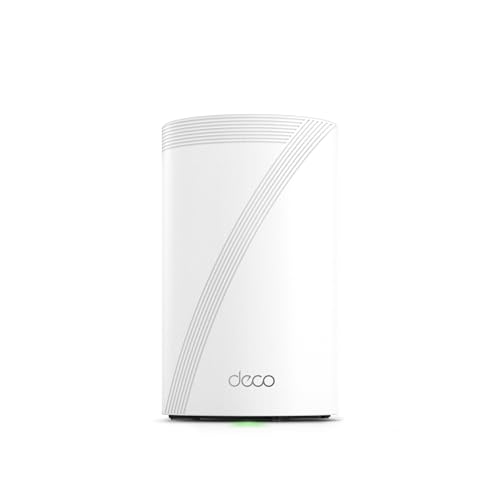
TP-Link Deco 7 Pro BE63 Tri-Band WiFi 7 BE10000 Whole Home Mesh System- 6-Stream 10 Gbps, 4X 2.5G Ports Wired Backhaul, 4X Smart Internal Antennas, VPN, HomeShield, Free Expert Support (1-Pack)
𝗦𝘂𝗽𝗲𝗿𝗰𝗵𝗮𝗿𝗴𝗲𝗱 𝐃𝐞𝐜𝐨 𝟕 𝐏𝐫𝐨 𝗕𝗘𝟭𝟬𝟬𝟬𝟬 𝗧𝗿𝗶-𝗕𝗮𝗻𝗱 𝗪𝗶-𝗙𝗶 𝟳 𝗦𝗽𝗲𝗲𝗱𝘀: Features cutting-edge Wi-Fi 7 technology, including Multi-Link Operation, Multi-RUs,...
As an affiliate, we earn on qualifying purchases.