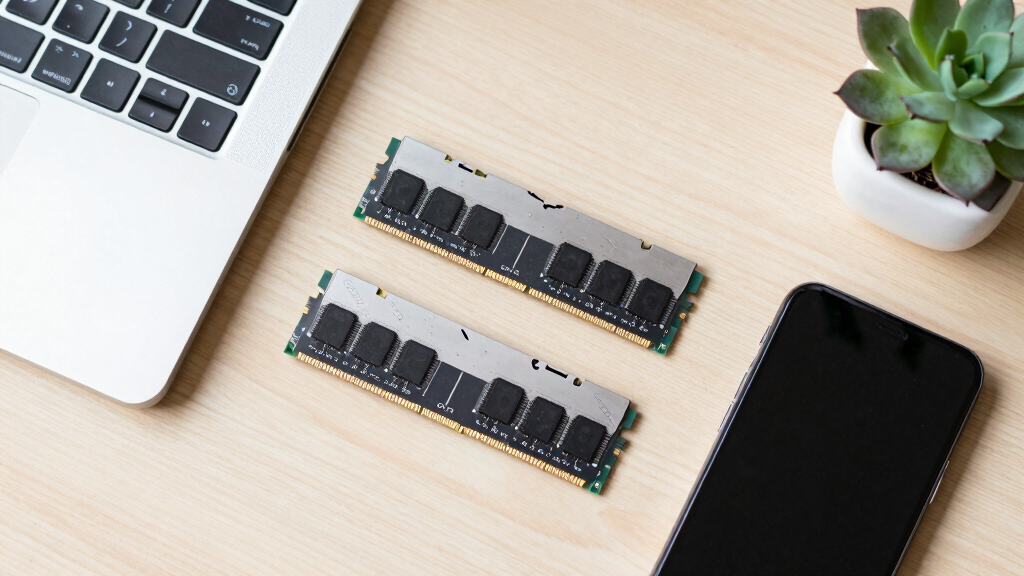

📊 Full opportunity report: DDR5 Now, DDR6 Soon: A Buyer’s Field Guide on ThorstenMeyerAI.com — validation score, market gap, and execution plan.
TL;DR
DDR5 memory remains the best choice for most users in 2026, with DDR6 expected around 2027 but not yet practical for mainstream buying. Waiting for DDR6 is generally ill-advised due to high costs and limited benefits early on.
DDR5 memory is currently the recommended choice for mainstream builds in 2026, with no immediate need to wait for DDR6, which remains in early stages of development and will not be widely available until 2027 or later. DDR6’s arrival is staged, requiring new platforms and significantly higher prices, making it unsuitable for most buyers now.
Manufacturers and industry forecasts agree that DDR5-6000 with CL30 timings offers the best value for most users, balancing speed and cost. Faster DDR5 kits, such as DDR5-8000, do not provide meaningful performance gains for typical gaming or productivity tasks and are a poor investment given current market conditions.
Capacity planning remains straightforward: 32GB is sufficient for most gaming and desktop use, while 64GB suits content creators and multitaskers. The temptation to buy 128GB modules now is discouraged, as prices are high and the capacity may remain unused for years.
On platforms, newer boards support CUDIMMs, which help stabilize higher speeds, and workstations are moving toward registered memory (RDIMM), but compatibility should be checked against the QVL before purchasing multiple modules.
Buying DDR4 in 2026 is strongly discouraged because DDR4 is ending production and costs are comparable to DDR5, with no future upgrade path. Building new systems on DDR4 now would be a mistake, as it’s a dead-end socket.
Regarding DDR6, it promises significant performance improvements with wider channels and higher speeds, starting around 8,800 MT/s and scaling toward 17,600 MT/s. However, DDR6 requires new CPUs, chipsets, and modules—no backward compatibility exists. Its rollout is staged, beginning with enterprise and AI servers in 2026–27, then expanding to consumer desktops and laptops by 2027, with broad adoption not expected until 2030.
DDR5 now, DDR6 soon
A buyer’s field guide. The 20-year instinct — wait for prices to drop, or wait for the next generation — is broken this cycle. Buy the DDR5 you actually need now; don’t wait for DDR6. Here’s the reasoning.
Driven to end-of-life, production slashed. Same money, dead-end socket. Leave a working DDR4 box alone — but never start a new build on DDR4 to “save.”
A framework, not a gamble. Buy the DDR5 you need now, at the sweet spot, in the capacity you’ll actually use — don’t buy DDR4, don’t wait for DDR6. The two costliest mistakes in this market are the ones that feel prudent: waiting for a price drop that isn’t coming, and waiting for a next-gen part that launches dearer than what’s on the shelf. Next: The SSD Squeeze.
Why Buying DDR5 Now Is the Smarter Move
For most consumers and builders, purchasing DDR5 now offers better value and performance than waiting for DDR6, which is still in development and will come at a premium. Delaying upgrades to wait for DDR6 could mean missing out on platform improvements, new CPUs, and GPUs over the next two years, making the wait counterproductive. Early adopters of DDR6 will face higher prices, limited capacity, and potential stability issues, making DDR5 the practical choice for 2026.
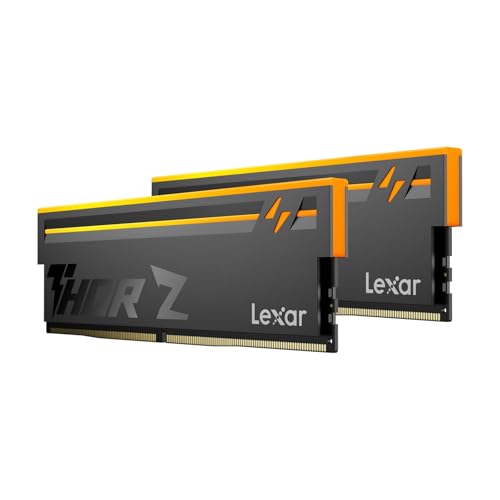
Lexar Thor Z RGB DDR5 RAM 32GB Kit (2x16GB) 6000MHz CL38 DRAM 288-Pin UDIMM
- High-Speed Performance: 6000MHz DDR5 RAM with low CL38 latency
- Large Capacity: 32GB (2x16GB) kit for gaming and work
- Enhanced Thermal Design: Sandblasted aluminum heatsink for cooling
As an affiliate, we earn on qualifying purchases.
As an affiliate, we earn on qualifying purchases.
Current Memory Market and Future DDR6 Roadmap
Memory prices surged in 2026 due to supply chain disruptions and increased demand, leading to high costs for DDR5 modules. While forecasts initially suggested prices would fall, industry experts now predict relief will not arrive until 2028 at the earliest. DDR5 has become the standard for new builds, with most platforms optimized for DDR5-6000. DDR6, meanwhile, is still in the standardization phase, with its first implementations expected in high-end enterprise and AI systems before reaching mainstream consumer markets around 2027 or later. The transition from DDR4 to DDR5 is nearly complete, and DDR6 will follow a similar phased adoption pattern, with full mainstream availability possibly delayed until 2030.
“The DDR6 standard is progressing, but early modules and platforms will be expensive and limited in capacity, making DDR5 the sensible choice for 2026.”
— Major memory manufacturers
Remaining Unknowns About DDR6 Adoption and Pricing
It is not yet clear how quickly DDR6 modules will become affordable or widely compatible across mainstream platforms. The exact timing of DDR6’s performance gains, stability, and capacity improvements at launch remains uncertain, as does the final pricing structure for early adoption systems. Industry forecasts suggest a phased rollout, but real-world availability and market acceptance could vary.
Next Steps for Buyers and Industry Watchers
Consumers should focus on building or upgrading with DDR5-6000 CL30 modules, considering their workload needs. Monitoring JEDEC standard approvals and motherboard compatibility lists will be key indicators of DDR6 readiness. Industry stakeholders will continue to track the phased rollout, with early DDR6 modules expected in enterprise markets in 2026–27 and mainstream consumer adoption anticipated around 2027–28. Buyers should plan to evaluate DDR6 options once mature, but not before then.
Key Questions
Is DDR4 still a good choice in 2026?
No. DDR4 is at end-of-life, and building new systems on DDR4 now is not recommended, as it offers no upgrade path and is similarly priced to DDR5.
Should I buy DDR5 now or wait for DDR6?
Most users should buy DDR5 now, specifically DDR5-6000 CL30, as waiting for DDR6 will likely lead to higher costs, limited capacities, and no immediate performance benefits.
When will DDR6 be available for mainstream consumers?
DDR6 is expected to be phased into the market starting around 2027, with broader adoption not until approximately 2030, after initial enterprise deployments.
Will DDR6 be significantly faster than DDR5?
Yes. DDR6 promises to double or triple effective bandwidth, starting around 8,800 MT/s and scaling toward 17,600 MT/s, but these gains will only benefit specific, bandwidth-intensive workloads.
Source: ThorstenMeyerAI.com