
TL;DR
Listen free for 30 days with Audible
Thousands of audiobooks and originals — cancel anytime.
Start your free trialAs an affiliate, we earn on qualifying purchases.
Anthropic’s $965 billion valuation is driven by a focus on expanding compute capacity—buying chips, cloud infrastructure, and hardware partnerships—rather than just software revenue. This signals a new era where infrastructure investment becomes key to AI dominance.
When a startup hits a $965 billion valuation, most assume it’s all about its AI models, algorithms, or user base. But behind the headlines, there’s a bigger story. This isn’t just about software — it’s about the hardware and infrastructure that power those models. Think of it like building a skyscraper: the value isn’t only in the blueprint, but in the steel, concrete, and cranes.
Anthropic just raised $65 billion in its Series H, making it the most valuable private company on Earth. Yet, the real story isn’t just the money or the valuation — it’s what that capital is being spent on. In this case, it’s a huge bet on the chips, memory, and cloud capacity needed to create and run AI at mind-boggling scales. Let’s unpack what’s really happening behind the scenes. Learn more about the compute investments in AI.
$965B and climbing — it’s really a compute bet
The viral headline is the valuation. The interesting story is in the press release’s middle paragraphs — and in three chipmakers Anthropic just named as strategic partners. This is a capacity round dressed as a funding round.
The numbers nobody can quite parse in sequence
Read together they describe a trajectory with no precedent in enterprise software. Read individually, each looks like a typo.
From $61.5B to $965B in fourteen months
Salesforce took roughly two decades to reach revenue numbers Anthropic just blew past. The sequence below is the part most coverage skips — it’s not the size, it’s the shape.
Anthropic’s valuation ladder · Mar 2025 → May 2026
Five rounds, fourteen months. Bar height is the valuation; the climb itself is the story. Tap any milestone for context.
The multiple actually got cheaper
Bubbles look like multiples expanding while revenue lags. Anthropic’s pattern is the inverse — the valuation tripled, but revenue grew faster, and the multiple compressed.
Revenue-to-valuation multiple · Series G → Series H
Same company, three months apart. The denominator (revenue) is outrunning the numerator (valuation) — exactly the opposite of what a bubble narrative predicts.
10+ gigawatts and three chipmakers
When you name Micron, Samsung & SK hynix alongside your equity backers, you’re saying the binding constraint isn’t demand or model quality — it’s the physical supply of memory chips. The Series H is a capacity round.
Compute commitments backing Anthropic’s capacity bet
$200B+ in announced compute spend across multi-year contracts. The $65B Series H raise has to be read against that bill, not against operating losses.
A genuinely durable bet — or a structural exposure?
Both readings can be true at once. The answer arrives over the next 18–24 months as the gigawatts come online and either fill with paying demand or don’t.
Revenue growth has no precedent in B2B software ($1B → $47B in 17 months). The multiple is compressing, not expanding. Claude is the only frontier model on all 3 major clouds. Enterprise AI spend share went from ~10% to >65% in a year. Compute commitments are tied to specific contracts with capacity dates.
20× revenue is not cheap by any historical software-investing standard. Revenue is reported gross of cloud-reseller pass-throughs, which inflates the top line. Profitability is 2 years out. Amodei’s own warning: a 12-month delay in AI progress “would make him bankrupt” — the compute commitments are a structural exposure to demand persistence.
The valuation race — and the IPO context
Anthropic shipped Opus 4.8 the same morning as Series H — not a coincidence. One week after OpenAI filed confidentially for IPO. The late-2026 frame is set: two frontier AI companies racing to public markets, each pitching durability.
Key Takeaways
- Anthropic’s $965B valuation signals a shift from model-centric to infrastructure-centric AI development.
- The massive $65B raise is primarily about securing compute, chips, and cloud capacity, not just funding new features.
- Strategic hardware partnerships with Micron, Samsung, and SK hynix underscore the importance of memory and storage supply chains.
- Rapid revenue growth in 2026 supports the focus on building out massive AI infrastructure to meet exploding demand.
- This infrastructure focus redefines how AI companies are valued and sets the stage for a new, capacity-driven arms race.
As an affiliate, we earn on qualifying purchases.
Why the $965B valuation is more about infrastructure than software
Anthropic’s valuation is a reflection of its future capacity, not just current revenue. It’s the difference between owning a car and owning the factory that makes thousands of cars. The valuation hinges on how much compute, chips, and cloud infrastructure it can deploy.
Imagine trying to build the world’s biggest AI models. You need more than just fancy code — you need giant warehouses full of GPUs, fast memory, and massive cloud bandwidth. This round signals a shift: AI companies are now being valued as infrastructure platforms, not just software vendors.
For example, Anthropic named major chipmakers like Micron, Samsung, and SK hynix as strategic partners, emphasizing that memory and hardware supply chains are central to its growth. That’s a clear signal: the race is on for raw compute power, not just model quality. This focus on hardware infrastructure indicates a recognition that the true bottleneck to AI progress isn’t just algorithmic sophistication but the physical capacity to process and store vast amounts of data. Companies investing heavily in this infrastructure are positioning themselves to scale rapidly and maintain a competitive edge, but they also face tradeoffs: high capital costs, supply chain risks, and the challenge of integrating diverse hardware components seamlessly. These tradeoffs mean that success hinges not only on technological capability but also on strategic supply chain management and capital efficiency, shaping the future landscape of AI development.
The real numbers behind the hype: revenue growth on steroids
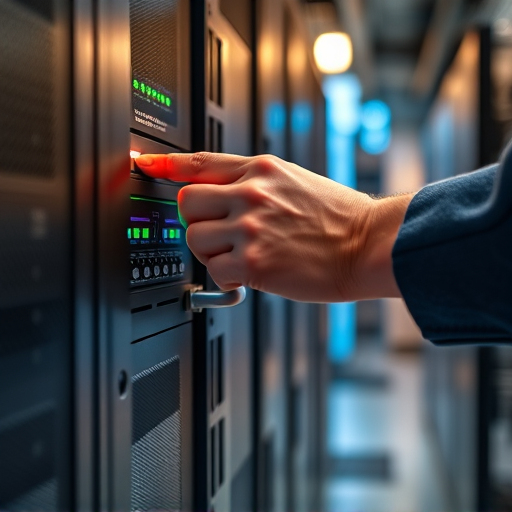
Anthropic’s revenue is exploding. From a modest $1 billion in December 2024, it shot past $9 billion at end-2025, then jumped to over $30 billion in early April 2026. Now, reports suggest it’s hitting $47 billion annualized run-rate.
To put that in perspective: revenue grew more than five times in just a few months. That’s faster than most tech companies ever achieved in their first decade. The rapid growth isn’t just hype — it’s fueling this massive valuation.
For example, Anthropic told investors its quarterly revenue grew 80× in the first quarter of 2026 alone. That kind of growth demands more compute — more chips, more cloud, more capacity. The valuation isn’t just a number; it’s a reflection of this explosive revenue trajectory. This rapid expansion underscores that the demand for infrastructure—servers, memory, bandwidth—is skyrocketing, and companies that can meet this demand will dominate the AI landscape. However, such aggressive growth also raises questions about scalability, the sustainability of supply chains, and the ability to control costs as infrastructure needs balloon. As revenue accelerates, the pressure on hardware supply chains intensifies, potentially leading to bottlenecks, higher costs, and a need for more robust logistics strategies. These dynamics could influence the pace of growth and the competitive positioning of AI firms, making infrastructure readiness a critical factor for sustained success.

How the $65B raise is a capacity rush, not just a cash grab
This isn’t typical fundraising. The $65 billion isn’t solely about expanding product features or markets. It’s about securing raw compute power. Nearly $15 billion is already committed from hyperscalers like Amazon, Microsoft, and Google, aimed at buying chips, storage, and cloud capacity.
Amazon alone pledged $5 billion, signaling its intent to be the backbone of Anthropic’s future AI infrastructure. It’s like building a pipeline — the money is going into hardware, not just software development.
This approach turns the typical funding story on its head. Instead of funding just new features, Anthropic is investing in the physical infrastructure that makes AI scalable and accessible at a global level. This infrastructure-centric funding model indicates a strategic shift: companies are now betting on owning and controlling the physical assets necessary to sustain rapid AI growth, rather than relying solely on software innovations. See how infrastructure investments are shaping AI growth.

The strategic chip and memory partners: why they matter
Anthropic’s mention of Micron, Samsung, and SK hynix is no accident. These companies supply the high-speed memory chips and storage hardware that run massive AI models. Without them, scaling AI to the levels Anthropic envisions isn’t possible.
Think of it like a race car — no matter how fast the driver, if the engine and tires aren’t up to par, the car stalls. The strategic hardware partnerships ensure a steady supply of the high-speed memory needed for real-time inference and training. Explore more about AI hardware and infrastructure.
This isn’t just about hardware; it’s about control. Securing access to chips and memory means locking in capacity, avoiding supply chain bottlenecks, and gaining a competitive edge. These partnerships also influence pricing, innovation timelines, and the ability to customize hardware configurations for AI workloads. As AI models grow larger and more complex, the importance of reliable, high-performance memory becomes even more critical, making these partnerships a cornerstone of AI infrastructure strategy. The deeper implications of these hardware partnerships and infrastructure investments are shaping the future of AI development. Read more about AI infrastructure trends.n is that access to these critical components will influence who can scale AI efficiently and cost-effectively, shaping the competitive landscape for years to come.
The shift from software to infrastructure: what it means for AI’s future
In the past, AI startups were valued mainly for their models and algorithms. Now, the focus shifts toward owning the physical infrastructure — the chips, servers, and cloud capacity necessary to run AI at scale.
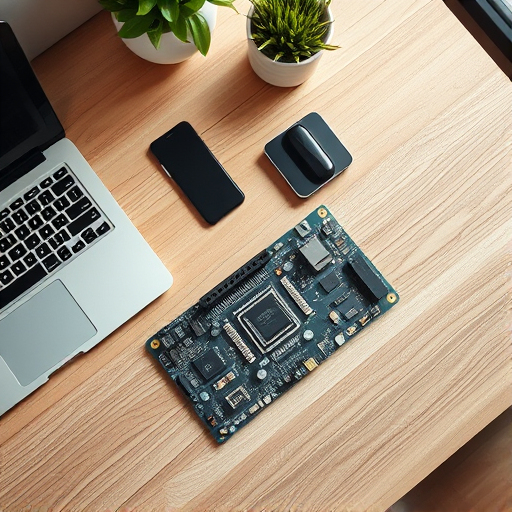
Imagine a city’s worth of data centers, each filled with high-end GPUs, humming with heat and noise. That’s the new battleground. The best infrastructure wins not just in performance but in cost and reliability.
For instance, Anthropic’s investment pattern shows a move toward becoming an infrastructure platform — a foundation that others will build upon. It’s a fundamental change in how we view AI companies’ value, emphasizing the importance of physical assets, supply chain resilience, and operational scale. This infrastructure-centric approach implies that the future of AI isn’t just about innovative models but also about controlling the physical means to deploy and sustain those models at massive scale. The tradeoffs here include enormous capital requirements, potential supply chain vulnerabilities, and the need for sophisticated logistics and hardware integration to maintain competitive advantage. The implications are profound: companies that dominate infrastructure will set the pace for AI development, potentially creating high barriers to entry and emphasizing the strategic importance of physical assets over software alone.

What does this mean for AI competition and the next arms race?
With Anthropic’s valuation now surpassing OpenAI, the landscape shifts from model quality alone to who can build the biggest, fastest, most reliable AI infrastructure. It’s a new kind of arms race—one that’s about raw capacity, supply chains, and strategic hardware alliances.
For example, the race for more powerful GPUs, faster memory, and larger data centers is heating up. Companies with control over hardware and infrastructure will set the pace in AI innovation and deployment.
This also means that the big cloud providers — Amazon, Microsoft, Google — aren’t just platforms anymore. They’re becoming infrastructure builders for the next generation of AI giants. This shift could lead to increased consolidation, as access to critical hardware becomes a decisive factor, and may also slow down innovation for smaller players lacking scale. The focus on infrastructure also raises questions about supply chain vulnerabilities, geopolitical considerations, and the sustainability of rapid hardware deployment, which could influence global AI leadership in unpredictable ways. Ultimately, this capacity-driven race emphasizes that physical assets and strategic alliances will determine the future leaders in AI, potentially reshaping the competitive landscape and creating significant barriers for new entrants.
Frequently Asked Questions
Is Anthropic really just a hardware company now?
Not exactly. While infrastructure investment is the focus, Anthropic still develops AI models and software. But the valuation now heavily depends on its ability to access and deploy massive compute capacity.Why does Anthropic need so much capital if revenue is already high?
Because building and maintaining the physical infrastructure — chips, servers, cloud capacity — is incredibly capital-intensive. The funds are aimed at securing supply chains and scaling up capacity to meet skyrocketing demand.What role do chipmakers like Samsung and Micron play?
They supply the high-speed memory and storage hardware needed to run large AI models efficiently. Their strategic partnerships ensure supply and give Anthropic a competitive edge in scaling AI infrastructure.Does this mean Anthropic is bigger than OpenAI?
In valuation, yes. But in revenue and operational scope, OpenAI remains a major player. The valuation reflects future capacity and infrastructure leverage, not just current business size.How will this affect the AI industry’s competition?
The focus on infrastructure shifts the game toward who can secure the largest capacity, fastest hardware, and most reliable cloud access. Infrastructure dominance will determine who leads in the next AI frontier.Conclusion
Anthropic’s valuation isn’t just a shiny number — it’s a clear signal. The future of AI isn’t only about smarter algorithms. It’s about owning the physical capacity to train, run, and scale models at an unprecedented level.
In a world where the bottleneck is hardware, the companies that control chips, memory, and cloud infrastructure will lead the next wave of AI dominance. That’s a story worth watching as the industry shifts from code to capacity.

Flea & tick season Picks
flea and tick prevention
As an affiliate, we earn on qualifying purchases.