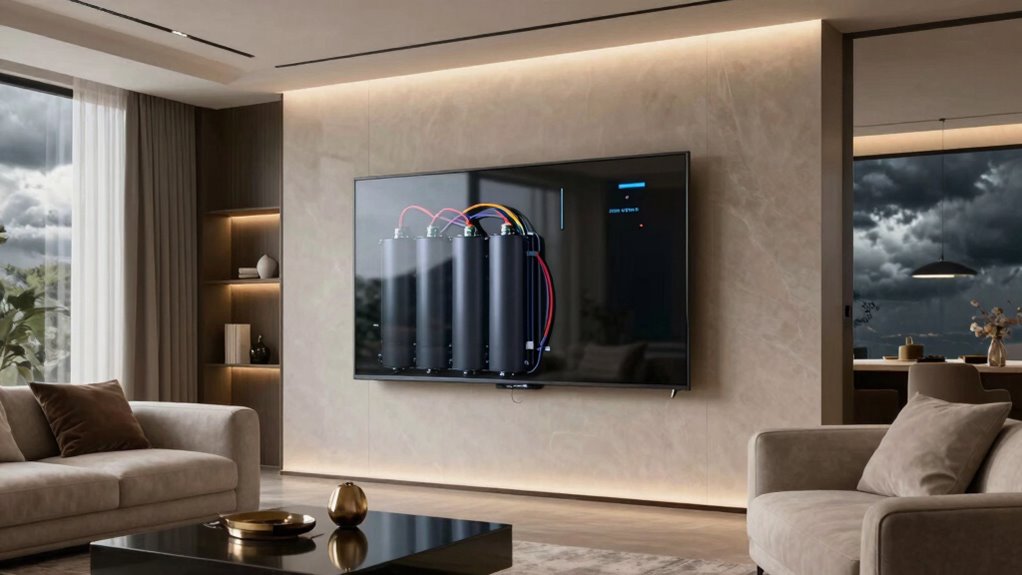

As power outages become more frequent and severe, whole-home backup power is quickly shifting from a luxury to a necessity. It keeps your appliances, heating, cooling, and electronics running smoothly, providing safety and comfort when others are left powerless. With energy independence and the ability to integrate renewable sources, you gain better control and cost savings. As homes evolve into resilient hubs, understanding this shift helps you prepare for a more secure future—discover why this upgrade is more crucial than ever.

Get business pricing on tech for your team
- Business-only prices and quantity discounts
- Tax-exempt purchasing
- Multiple users, one account, clear invoices
Key Takeaways
- Whole-home backup power ensures continuous operation of essential appliances, safety systems, and comfort during outages.
- It promotes energy independence by integrating renewable sources like solar, reducing reliance on the grid.
- These systems offer long-term cost savings through energy management and potential feed-in of excess renewable energy.
- They enhance home security and control, making residences more resilient and adaptable to changing energy needs.
- Increasing affordability and technological advancements are transforming whole-home backup power into a practical, luxury upgrade.
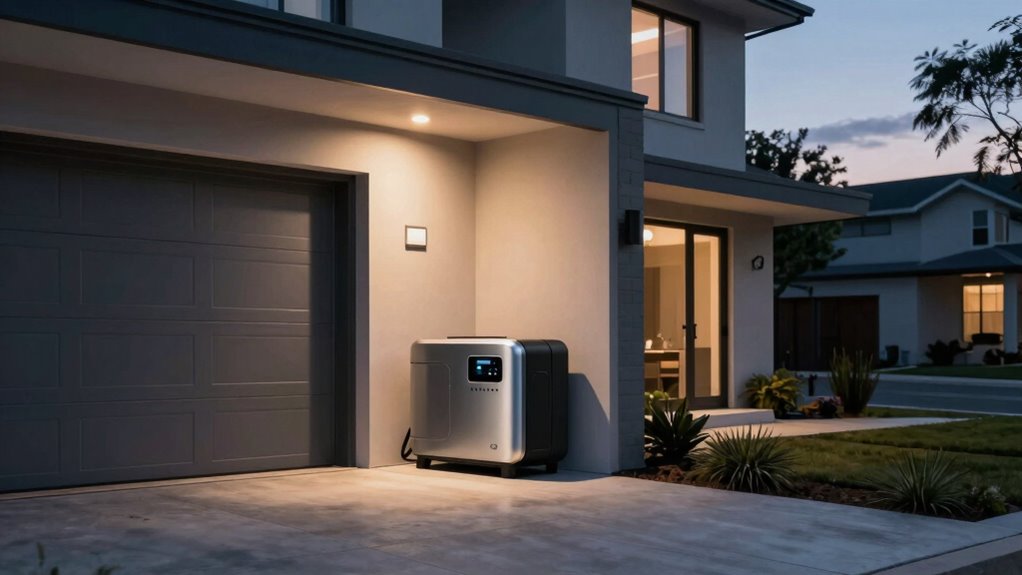
When power outages strike, they can disrupt your entire home, leaving you without electricity when you need it most. That’s why whole-home backup power systems are becoming more than just a luxury—they’re a smart upgrade. You want to stay connected, comfortable, and safe, no matter what’s happening outside. Investing in a thorough backup solution allows you to maintain your daily routines without interruption, ensuring your appliances, heating, cooling, and essential electronics keep running smoothly.
One of the main reasons people are making this upgrade is the pursuit of energy independence. When you have a whole-home backup system, you’re less dependent on the grid, especially during storms or outages caused by natural disasters. You can generate and store your own power, often integrating renewable energy sources like solar panels. This renewable integration not only reduces your carbon footprint but also enhances your ability to sustain power during prolonged outages. Over time, it can lead to significant savings on energy costs, as you’re producing some of your own electricity and relying less on utilities. Additionally, incorporating energy storage solutions ensures a reliable supply of power even when the sun isn’t shining. A well-designed system also considers energy efficiency, helping you maximize your energy use and minimize waste. Incorporating home automation can further optimize energy management and system responsiveness. Investing in smart grid technology can also improve your system’s ability to adapt to changing conditions and optimize energy flow.
Achieve energy independence by generating, storing, and integrating renewable power for reliable, cost-effective home energy.
Moreover, these systems provide a sense of security and control. Instead of waiting for utility companies to restore power, you take charge of your energy needs. You decide when to draw from the grid, when to rely on stored energy, or when to feed excess power back into the system if you have renewable sources like solar. This flexibility is especially valuable in regions prone to frequent outages or where energy reliability** is questionable. It transforms your home into a resilient hub** that’s prepared for various scenarios.
The shift toward whole-home backup power isn’t just about convenience; it’s about future-proofing your lifestyle. As renewable integration becomes more accessible and affordable, you can design a system tailored to your home’s specific needs. Whether you’re aiming for complete independence or simply want peace of mind, these systems are a worthwhile investment. They also enhance your home’s value, appealing to future buyers who see the benefit of resilient, energy-efficient living.
In essence, upgrading to whole-home backup power isn’t a frivolous luxury anymore. It’s a strategic move—one that supports your desire for energy independence, promotes renewable integration, and guarantees you won’t be left in the dark. As technology advances and costs decrease, more homeowners will find this upgrade not just practical but essential for modern living.
As an affiliate, we earn on qualifying purchases.
Frequently Asked Questions
How Long Can a Whole-Home Backup Power System Run During an Outage?
During an outage, a whole-home backup power system can run anywhere from a few hours to several days, depending on your energy storage capacity and power efficiency. If you have a larger energy storage system, it’ll last longer, providing continuous power. To maximize runtime, prioritize essential appliances and optimize power efficiency. Regular maintenance and choosing high-quality components also help guarantee your system runs smoothly during extended outages.
What Are the Long-Term Maintenance Costs for Backup Power Systems?
Sure, the long-term maintenance costs for backup power systems can seem like a small price to pay—until you realize you’re constantly replacing batteries or fueling up. Battery lifespan varies, but you’ll likely need new batteries every 5-10 years, and fuel efficiency impacts ongoing costs. Regular inspections and part replacements keep your system reliable, but don’t be surprised if maintenance adds up faster than you’d like.
Can Backup Power Systems Be Integrated With Existing Home Automation?
Yes, backup power systems can be integrated with your existing home automation. You’ll enjoy smart integration and automation compatibility, allowing you to control your backup system remotely or set it to activate automatically during outages. This seamless compatibility guarantees your home remains powered efficiently, giving you peace of mind. Just make certain your system supports smart home protocols like Z-Wave or Zigbee for smooth integration with your current setup.
How Do Weather Conditions Affect the Performance of Backup Generators?
Heavy snow can hinder your backup generator’s performance, reducing weather resilience and risking delays when you need power most. For example, a homeowner in a cold climate experienced startup issues due to snow obstructing airflow. Extreme weather conditions like rain, heat, or snow test your generator’s durability. To guarantee reliable backup power, choose models designed for harsh weather, and schedule regular maintenance to keep them functioning at their best in all conditions.
Are There Any Tax Incentives or Rebates for Installing Backup Power?
Yes, you can often benefit from tax incentives and rebate programs when installing backup power systems. Many local, state, and federal programs encourage renewable and backup energy solutions, offering rebates or tax credits that reduce your overall costs. Check with your utility provider or government agencies to see what’s available in your area. Taking advantage of these incentives can make investing in a reliable backup power system more affordable.
Conclusion
Imagine feeling secure, knowing your home is protected even when the power’s out. Whole-home backup power isn’t just a luxury—it’s a smart safeguard for your family’s peace of mind. As climate change and grid instability grow, this upgrade becomes more than a convenience; it’s a necessity. Investing now means fewer worries and more comfort during storms or outages. Don’t wait for a blackout to realize how crucial reliable power truly is.
Halloween Picks
halloween
As an affiliate, we earn on qualifying purchases.