By Avaoroi Health & Tech Desk
Presbyopia Meets Prescription Innovation
Navigating presbyopia—age-related near-vision decline—is a rite of passage for many of us. If reading menus without readers, quick phone checks, or productivity without glasses matters to you, a new solution is here. The FDA recently approved VIZZ (aceclidine 1.44%), the first eye drop using aceclidine for presbyopia relief.
It’s the third pharmacological option on the U.S. market—after Vuity (pilocarpine 1.25%, 2021) and Qlosi (pilocarpine 0.4%, 2023)—but stands out for its long-lasting wear time and targeted action.
How VIZZ Works
- Mechanism: Acts as a “miotic” agent—shrinks the pupil to create a natural “pin-hole” depth-of-focus effect.
- Advantage: Uses aceclidine, which targets the pupil more selectively, potentially reducing side effects.
- Performance:
- Onset: ~30 minutes
- Duration: Up to 10 hours
- Usage: Two drops per eye (two-minute interval), delivered in single-use refrigerated vials
Safety & Practical Considerations
- Lighting Caution: The miotic effect may dim evening vision—delay night-time driving.
- Mandatory Eye Exam: A pre-treatment retinal check is advised to minimize rare but serious risks like retinal detachment.
- Mild Side Effects: Possible eye redness, irritation, or headache during initial use.

How VIZZ Compares with Pilocarpine Drops
| Feature | VIZZ (2025) | Vuity (2021) | Qlosi (2023) |
|---|---|---|---|
| Active Ingredient | Aceclidine 1.44% | Pilocarpine 1.25% | Pilocarpine 0.4% |
| Onset / Duration | ~30 min / up to 10 hrs | ~15 min / 6–9 hrs | — / up to ~8 hrs |
| Packaging | Refrigerated vials | Room-temp multidose bottle | Refrigerated vials |
| Convenience | Moderate | High | Moderate |
Why It Matters to You
There are roughly 128 million Americans with presbyopia—nearly 2 billion worldwide. As society leans into high-resolution screens and less reliance on eyewear, eye drop treatments offer an alternative that blends tech innovation with daily convenience.
If just 2% of U.S. users adopt these drops—at an estimated $300/year—that’s a $770 million market, signaling both consumer interest and room for innovation. VIZZ may appeal to professionals, creatives, and travel-focused users who value vision clarity without the hassle of glasses.
What’s Next in Vision Tech?
VIZZ is scheduled for clinic sample distribution in October 2025, with broader availability by the end of the year. On the horizon is BRIMOCHOL PF, a dual-ingredient miotic currently under FDA review with a decision expected by January 28, 2026.
Final Take
For those eyeing convenience-first vision enhancement, VIZZ is a high-tech, prescription-grade option worth exploring. It’s not the cheapest or the most carry-friendly yet, but its long daily performance and refined targeting make it a compelling addition to the evolving presbyopia toolkit.
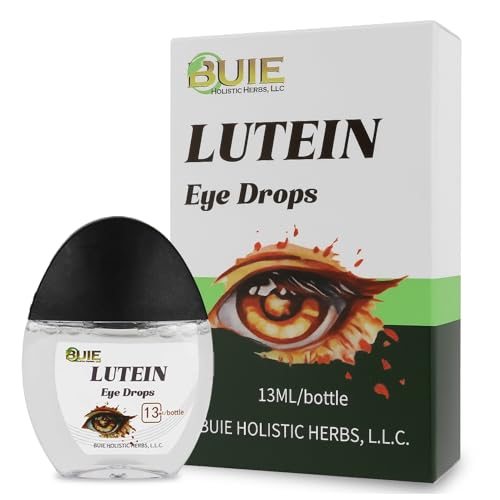
Lutein Eye Drops – Gentle Daily Eye Care with Lutein, Honeysuckle, Cassia Seed, Wild Chrysanthemum & Vitamin B6 – Hydrating, Preservative-Free, Lens-Friendly Formula – 0.5 fl oz
Lutein-Enriched Eye Drops – These eye drops are enriched with lutein, a nutrient often associated with eye wellness….
As an affiliate, we earn on qualifying purchases.
As an affiliate, we earn on qualifying purchases.

AREDS 2 Formula Liquid Drops, Advance 11-in-1 Eye Vitamins Lutein and Zeaxanthin Supplements w. Bilberry Eyebright Omega-3 for Vision Retina Macular Health, Areds Plus Multivitamin for Adult & Senior
CLINICALLY INSPIRED AREDS 2 FORMULA: Scibalia’s 11-in-1 Areds2 Eye Vitamin & Mineral Supplement in liquid form follows the…
As an affiliate, we earn on qualifying purchases.
As an affiliate, we earn on qualifying purchases.

Stye Eye Treatment, Stye Eye Drops, Natural Formula for Chalazion and Blepharitis Relief, Soothes Irritation Redness and Swelling, Gentle Daily Eye Care, 30ml
FAST ACTING STYE RELIEF – Effectively relieves itching, irritation, and discomfort caused by styes, dry eyes, and eyelid…
As an affiliate, we earn on qualifying purchases.
As an affiliate, we earn on qualifying purchases.
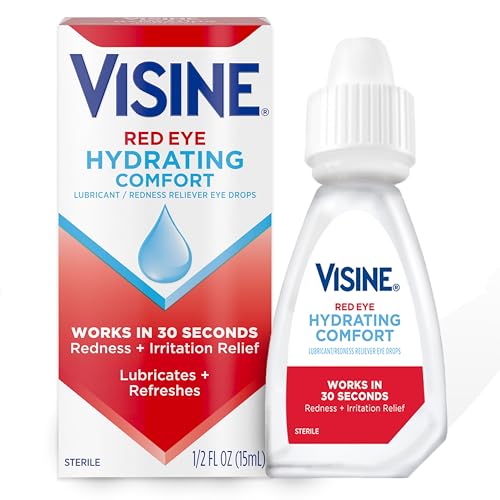
Visine Red Eye Hydrating Comfort Redness Relief and Lubricant Eye Drops to Help Moisturize and Relieve Red Eyes Due to Minor Eye Irritations Fast, Tetrahydrozoline HCl, 0.5 fl. oz
0.5-fluid ounce bottle of Visine Red Eye Hydrating Comfort Redness Relief Eye Drops to offer eye redness relief…
As an affiliate, we earn on qualifying purchases.
As an affiliate, we earn on qualifying purchases.