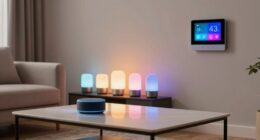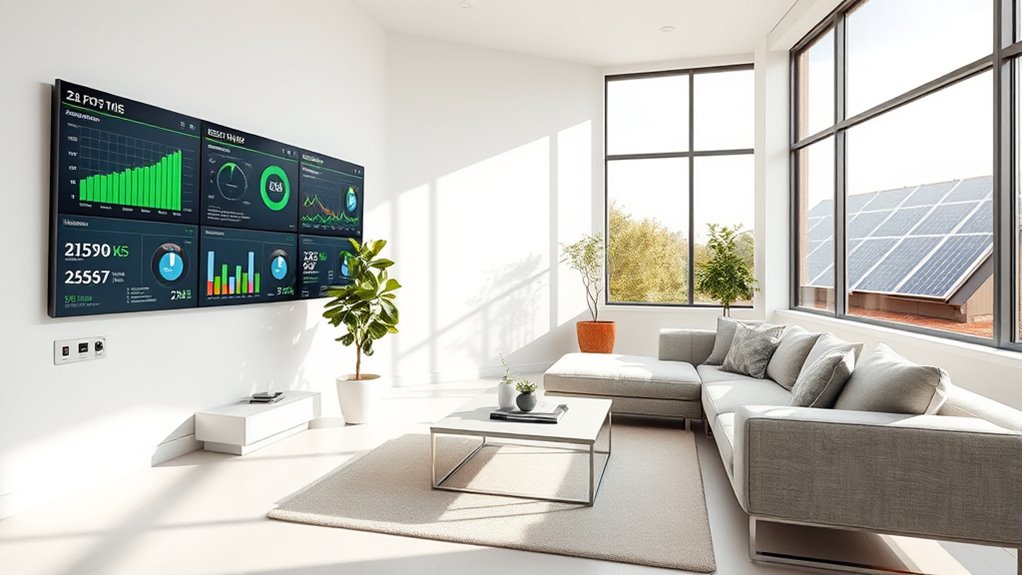

Smart home systems use AI-powered energy management to help you optimize energy efficiency and reduce your carbon footprint. With real-time monitoring, these systems analyze your energy usage, suggesting eco-friendly adjustments and automatically turning off unused lights. They integrate renewable energy sources, store excess energy, and direct it to meet your needs. Plus, you can control everything remotely, ensuring efficient energy use even while you’re away. Discover how these advancements can enhance your home’s sustainability even further.
Key Takeaways
- Smart home systems enhance sustainability by optimizing energy consumption and reducing carbon footprints through advanced energy management features.
- AI-powered energy management analyzes usage patterns to suggest eco-friendly adjustments, maximizing savings and efficiency.
- These systems facilitate the integration of renewable energy, managing solar panel performance and directing excess energy to household needs.
- Users can monitor energy usage remotely via smartphone, ensuring efficient energy management even when away from home.
- The insights provided by smart systems encourage informed decisions on energy-efficient upgrades and promote behavioral changes to lower carbon footprints.

Have you ever wondered how your home can contribute to a more sustainable future? With the rise of smart home systems, you have the perfect opportunity to make a positive impact on the environment while enhancing your daily living experience. By integrating these technologies, you can effectively reduce your carbon footprint and promote renewable energy use in your household.
Smart home systems allow you to manage energy consumption more efficiently. Imagine having an AI-powered energy management system that monitors your energy usage in real time. It can analyze your habits and suggest adjustments that save you money while also being eco-friendly. For instance, it can automatically turn off lights in unoccupied rooms or adjust your thermostat based on the weather and your preferences. These small changes can lead to significant reductions in energy consumption, allowing you to use less energy without sacrificing comfort.
Smart home systems enhance energy efficiency, optimizing usage and comfort while reducing your environmental impact.
Renewable integration is another key benefit of smart home technology. If you’re using solar panels or other renewable energy sources, smart systems can optimize their performance by managing how and when you consume energy. For example, during peak sunlight hours, your system can automatically store excess energy for later use or direct it to power your home. This way, you’re not only using renewable energy but also reducing reliance on fossil fuels. By harnessing the power of AI, you can maximize your investment in renewable sources and play an active role in fighting climate change.
Moreover, smart home systems can provide insights into your energy usage patterns, helping you make informed decisions. You might discover that certain appliances are energy hogs or that your usage spikes at specific times. With this knowledge, you can adjust your habits or even upgrade to more energy-efficient appliances, further lowering your carbon footprint.
It’s also worth noting that many smart systems can be controlled remotely via your smartphone. This capability means you can manage your energy use even when you’re not at home, ensuring that you’re always in control. So whether you’re on vacation or just out running errands, you can ensure your home is using energy wisely. Additionally, incorporating smart home systems may lead to potential savings on insurance costs as many insurers offer discounts for homes equipped with energy-efficient technologies.
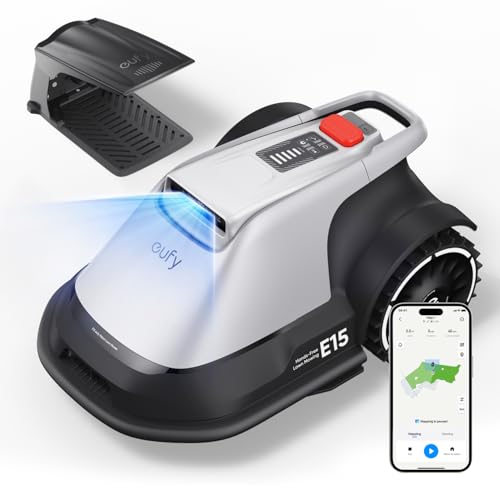
eufy Robot Lawn Mower E15, Auto Mapping,Pure Vision Navigation, Wire Free RTK Free, Multi-Zone Management, AI 3D Obstacle Avoidance, GPS Anti-Theft, 0.2 Acres, 18° Slope, App Control
【Pure Vision Navigation — Hands-Free Mowing, No Wire to Bury】 eufy V-FSD 1.0 uses high-precision stereo cameras and...
As an affiliate, we earn on qualifying purchases.
Frequently Asked Questions
How Do Smart Home Systems Reduce Carbon Footprints?
Smart home systems reduce carbon footprints by enhancing energy efficiency and integrating renewable sources. They optimize energy usage by controlling appliances based on real-time data, which minimizes waste. You can program your system to use energy when it’s most sustainable, like during peak solar hours. By automating your energy consumption and prioritizing renewables, you’re not just saving money; you’re actively contributing to a greener planet and lowering your overall carbon emissions.
Are There Any Privacy Concerns With Ai-Powered Systems?
Yes, there are privacy concerns with AI-powered systems. Did you know that 81% of consumers worry about their data security when using smart devices? With these systems collecting vast amounts of personal data, user privacy can be at risk. It’s essential to understand how your data is used and stored. Always check privacy settings and stay informed about potential vulnerabilities to guarantee your information remains secure while enjoying the benefits of smart technology.
Can I Integrate Smart Home Systems With Existing Appliances?
Yes, you can integrate smart home systems with existing appliances! Many smart devices offer retrofit options that allow you to connect older appliances to your network. Check for appliance compatibility with smart hubs or adapters to guarantee they work together seamlessly. By upgrading your home gradually, you’ll enjoy the benefits of smart technology without needing to replace everything at once. This approach keeps your home efficient and connected while saving costs.
What Is the Cost of Implementing a Smart Home System?
The cost of implementing a smart home system can vary widely, typically ranging from a few hundred to several thousand dollars. When you conduct a cost analysis, consider pricing factors like the type of devices you want, installation fees, and any necessary upgrades to your existing infrastructure. You’ll also want to factor in potential savings on energy bills, which can offset initial costs over time, making it a worthwhile investment in the long run.
How Do I Choose the Right Smart Home Technology for My Needs?
To choose the right smart home technology for your needs, start by evaluating your lifestyle and preferences. Look for systems with voice control to simplify operation, making it easy to manage devices hands-free. Check for device compatibility; you want a system that works seamlessly with your current gadgets. Prioritize features that matter most to you, whether it’s security, energy management, or convenience, ensuring a tailored solution that enhances your daily life.

YARDCARE 2026 M800Plus GPS+3D Vision Cordless Robot Lawn Mower with Bow-Shaped Path Mowing, APP Control, Robotic Lawnmower with Obstacle Avoidance, Auto-Charging for Lawns up to 8611 sq.ft
Cordlss & Vision Navigation: YARDCARE M800Plus is equipped with a high-definition camera, which automatically distinguish grass from non-grass...
As an affiliate, we earn on qualifying purchases.
Conclusion
In a world where your home becomes a genius eco-warrior, embracing AI-powered energy management is nothing short of revolutionary! By harnessing the power of smart home systems, you’re not just saving energy—you’re practically turning your living space into an environmental superhero. Imagine your home anticipating your needs, optimizing energy use, and slashing your bills while saving the planet! So, why wait? Jump into this sustainable revolution and let your abode lead the charge toward a greener tomorrow!
Amazon Product B0DZ6QQMFJ
As an affiliate, we earn on qualifying purchases.

Tikom Robot Vacuum and Mop, 6000Pa Robotic Vacuum Cleaner with Self-Emptying Base, 90 Days Capacity, LiDAR Navigation, Home Mapping, Ideal for Pet Hair, Hard Floors, Carpet (L8000 Plus)
90-Day Hands-Free Cleaning: The 3L self-emptying dustbag holds weeks of debris, eliminating the need for frequent emptying. Enjoy...
As an affiliate, we earn on qualifying purchases.