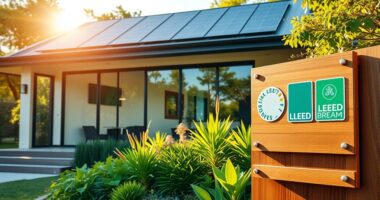
Climate-adaptive design helps you create homes that stay comfortable year-round by utilizing natural elements and sustainable materials. By focusing on passive cooling techniques like cross-ventilation and strategic shading, you can reduce your reliance on air conditioning, cutting energy costs and minimizing your carbon footprint. Incorporating renewable materials enhances durability and energy efficiency, while integrating smart technology optimizes your home’s performance. Discover how these strategies work together to combat climate challenges and create a more sustainable living space.
Key Takeaways
- Implement passive cooling techniques, utilizing natural airflow and shading to maintain comfortable indoor temperatures without mechanical systems.
- Use renewable materials like bamboo and reclaimed wood to enhance sustainability and minimize environmental impact in home construction.
- Incorporate green infrastructure, such as green roofs or walls, to improve insulation and reduce urban heat while promoting biodiversity.
- Design homes for optimal orientation and cross-ventilation to maximize airflow and minimize reliance on air conditioning.
- Integrate smart technology, like thermostats and energy-efficient appliances, to monitor and manage energy consumption for year-round comfort.

Climate-adaptive design isn’t just a trend; it’s a necessity for our changing world. As temperatures rise and weather patterns shift, you need to think about how your living space can adapt to these changes. One effective way to achieve comfort in your home year-round is through the use of passive cooling techniques. This approach harnesses natural elements—like airflow, shade, and thermal mass—to maintain a comfortable indoor environment without depending heavily on mechanical air conditioning. By integrating passive cooling into your design, you can reduce energy consumption and minimize your carbon footprint.
When you consider passive cooling, it’s essential to focus on how your home is oriented. Positioning windows and doors to take advantage of prevailing breezes can notably improve airflow. You can create cross-ventilation by opening windows on opposite sides of the house, allowing fresh air to flow through and cool down the space. Additionally, incorporating overhangs or awnings helps block direct sunlight during the hottest parts of the day, keeping your interiors cooler and more comfortable.
Using renewable materials is another vital aspect of climate-adaptive design. When you choose materials sourced sustainably, you not only create a healthier living environment but also support ecosystems. For instance, bamboo, reclaimed wood, or recycled metal can add character to your home while minimizing environmental impact. These materials are often durable and can contribute to energy efficiency, making your home more resilient against climate changes.
You might also want to think about adding green roofs or walls to your design. These features not only provide insulation but also reduce the urban heat island effect, helping to keep your neighborhood cooler. Plus, they create a beautiful, natural aesthetic that attracts wildlife and enhances your connection to nature.
Incorporating smart technology can further enhance your climate-adaptive design. Smart thermostats and energy-efficient appliances can help you monitor and manage your energy use, ensuring your home remains comfortable without unnecessary energy expenditure. Additionally, utilizing plants like aloe vera, which can improve indoor air quality, can contribute to a healthier living space.
Ultimately, embracing climate-adaptive design means prioritizing sustainability and comfort. By focusing on passive cooling techniques and renewable materials, you can create a living space that not only meets your needs but also respects the environment. In this ever-changing world, it’s time to build homes that can adapt, ensuring you stay comfortable no matter what Mother Nature throws your way.

Coleman Sicily Energy-Efficient AirJet Inflatable Hot Tub 5-7 Person with App-Control
ENERGY-EFFICIENT CONSTRUCTION: EnergySense insulated walls and cover are up to 40% more energy-efficient than similar hot tubs; MaxHold...
As an affiliate, we earn on qualifying purchases.
Frequently Asked Questions
What Is the Cost Difference Between Traditional and Climate-Adaptive Homes?
When you look at the cost comparison between traditional and climate-adaptive homes, you’ll find that climate-adaptive designs often have a higher upfront cost. However, don’t forget to take into account long-term savings on energy bills and maintenance. Your budget considerations should factor in these savings, as climate-adaptive homes can reduce heating and cooling costs considerably over time. In the end, investing in a climate-adaptive home might save you money in the long run.
How Can I Retrofit My Existing Home for Climate-Adaptive Design?
You can retrofit your existing home for climate-adaptive design by enhancing thermal insulation in walls and roofs to maintain a stable temperature. Consider adding energy-efficient windows that allow for daylight harvesting, maximizing natural light while minimizing heat loss. Install reflective roofing materials and shade elements to reduce heat absorption. Finally, use smart home technology to monitor and optimize energy use, ensuring your home stays comfortable year-round without excessive energy costs.
Are There Specific Materials Recommended for Climate-Adaptive Construction?
For climate-adaptive construction, consider using high-performance insulation materials like cellulose or spray foam, which enhance energy efficiency. Incorporate sustainable fabrics such as organic cotton or hemp for both interior design and furnishings. These materials not only help maintain comfortable indoor temperatures but also minimize environmental impact. By choosing wisely, you’ll create a resilient home that adapts to changing conditions while promoting sustainability and comfort year-round.
What Certifications Should I Look for in Climate-Adaptive Architects?
When looking for climate-adaptive architects, check for green building and environmental certifications like LEED (Leadership in Energy and Environmental Design) or BREEAM (Building Research Establishment Environmental Assessment Method). These certifications indicate that the architect is knowledgeable about sustainable practices and design principles. You’ll want someone who understands how to create energy-efficient, resilient structures that adapt to changing climates while maintaining comfort and functionality throughout the year.
How Do Climate-Adaptive Designs Impact Local Wildlife and Ecosystems?
Think of climate-adaptive designs as a bridge connecting human comfort with nature’s harmony. These designs enhance urban biodiversity by incorporating green spaces and native plants, inviting various species back into cities. They also promote ecosystem resilience by reducing runoff and improving soil health, allowing local wildlife to thrive. When you embrace these principles, you’re not just building a home; you’re fostering a vibrant environment that supports both people and nature.
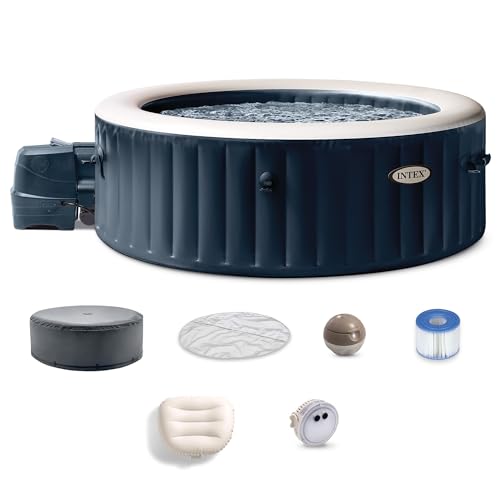
INTEX 28431EP PureSpa Plus Bubble Massage Inflatable Spa Set: Includes Energy Efficient Spa Cover –2 Headrests – LED Light – 6 Person Capacity – 85" x 28"
FIBER-TECH BEAM CONSTRUCTION: Innovative Fiber-Tech Technology offers superior structural stability while maintaining a comfortable surface for a luxurious...
As an affiliate, we earn on qualifying purchases.
Conclusion
So, if you’re tired of sweating like a popsicle in July or freezing like a popsicle in January, climate-adaptive design is your answer! Sure, you could keep cranking the AC or heating your home like it’s a sauna, but why not let your house do the heavy lifting? Embrace the innovation, and maybe your home will finally stop acting like a rebellious teenager, throwing fits with every season. Who knew keeping comfy could be this revolutionary?

INTEX PureSpa Greystone Deluxe 4 Person Square Inflatable Hot Tub, Bubble Massage Spa Set with Energy Efficient Cover, 2 Headrests, & LED Light, 69 in x 28 in
Heated Air Bubble Technology: Immerse yourself in heated air bubbles that relax your body, melt away stress, and...
As an affiliate, we earn on qualifying purchases.

Bestway SaluSpa Fiji 2 to 4 Person Inflatable Hot Tub, Round Energy-Efficient Portable Outdoor Spa with 120 AirJets, 71" x 26"
Soothing AirJet Massage System: The Bestway SaluSpa Fiji hot tub features 120 bubble jets that create a warm...
As an affiliate, we earn on qualifying purchases.