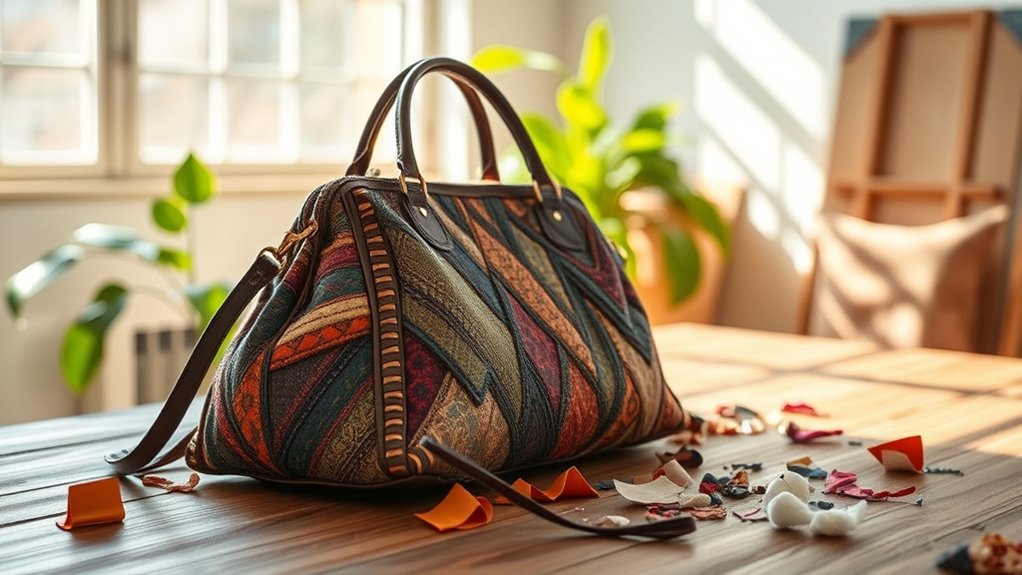

In luxury design, the circular economy and upcycling are changing the game. You’re seeing brands turn waste into stunning high-end products, enhancing sustainability without sacrificing elegance. This shift not only reflects a commitment to the environment but also redefines what luxury means. Eco-friendly materials and innovative designs invite you to contemplate the impact of your consumption. If you’re curious about how this movement influences style and sustainability, there’s much more to explore.
Key Takeaways
- The luxury design sector is increasingly adopting circular economy principles to reduce waste and promote sustainability through innovative practices.
- Upcycling transforms discarded materials into new luxury products, emphasizing creativity and environmental responsibility in design.
- Sustainable sourcing of materials, including recycled textiles and responsibly sourced leathers, enhances brand image and minimizes ecological impact.
- Innovative materials like ocean plastics challenge traditional luxury aesthetics while encouraging eco-conscious consumer behavior.
- A cultural shift towards responsible luxury is reshaping consumer preferences, prioritizing sustainability in high-end goods and consumption choices.

As the world grapples with sustainability challenges, the luxury design sector is embracing the circular economy and upcycling as innovative solutions. You might wonder how these concepts are changing the way brands approach design and production. By redefining luxury to include sustainability, designers are not only enhancing their brand image but also appealing to a growing audience that values eco-conscious practices.
The luxury design sector is redefining itself through sustainability, embracing the circular economy and upcycling to attract eco-conscious consumers.
Incorporating sustainable sourcing into their supply chains, luxury brands are making a concerted effort to use materials that have minimal environmental impact. You’ll find that many designers are now prioritizing recycled or responsibly sourced textiles, leather, and metals. This shift is more than a trend; it’s a necessary evolution in the industry. As you explore new collections, you’ll notice that these choices are often highlighted, showcasing the commitment to a more sustainable future.
Innovative materials are playing a significant role in this transformation. Brands are experimenting with alternatives that challenge traditional notions of luxury. For instance, you may come across fabrics made from ocean plastics or biodegradable textiles that offer both style and sustainability. The creativity involved in these designs not only sets them apart but also invites you to contemplate the impact of your consumption choices. Best Purple Shampoos for Brassy Tones demonstrate how even everyday products can evolve to meet sustainable standards.
Upcycling, another key aspect of the circular economy, involves repurposing existing materials to create new products. You might discover that some luxury designers are taking discarded items and giving them a second life through thoughtful, artistic reimagining. This process doesn’t just reduce waste; it also tells a story. Each piece becomes a conversation starter, reflecting both the designer’s vision and the importance of resourcefulness.
As you look deeper into this movement, you’ll see that it’s not just about aesthetics; it’s about fostering a mindset shift. The luxury sector is challenging you to rethink what it means to indulge in high-end goods. By choosing products that align with sustainable values, you’re participating in a broader cultural shift towards responsibility and mindfulness.
luxury upcycled leather handbags
As an affiliate, we earn on qualifying purchases.
As an affiliate, we earn on qualifying purchases.
Frequently Asked Questions
What Are the Environmental Benefits of a Circular Economy?
A circular economy offers significant environmental benefits, including enhanced recycling initiatives and effective waste reduction. By rethinking resource use, you minimize landfill contributions and decrease pollution. It encourages the reuse of materials, which lowers the demand for new resources, consequently conserving energy and reducing carbon emissions. You’ll also find that this approach fosters innovation and sustainable practices, helping to preserve ecosystems while promoting a healthier planet for future generations.
How Can Consumers Identify Upcycled Luxury Products?
You can identify upcycled luxury products by looking for brands that provide authenticity verification. For example, if you come across a handbag made from repurposed leather, check if the brand shares detailed information about its material sourcing. Authentic brands often highlight their commitment to sustainability, showcasing the story behind each item. By examining labels and researching the brand’s practices, you’ll guarantee you’re investing in genuine upcycled luxury.
Are There Certifications for Upcycled Luxury Items?
Yes, there are certifications for upcycled luxury items that guarantee quality and authenticity. Look for brands that adhere to recognized certification standards, which often highlight luxury craftsmanship. These certifications indicate that the product meets specific criteria for sustainability and design excellence. When shopping, check for labels or documentation that confirm the item’s upcycled status, giving you confidence in your purchase while supporting eco-friendly practices.
What Challenges Do Designers Face in Upcycling?
Upcycling is like steering through a maze—challenging yet rewarding. You face hurdles such as sourcing materials that are both unique and sustainable, making design innovation essential. Finding high-quality, upcycled materials can be tricky, as you need to guarantee they align with your vision and standards. Additionally, communicating the value of your creations to consumers often requires extra effort, but overcoming these challenges can lead to beautiful, one-of-a-kind masterpieces that inspire others.
How Can Brands Promote Their Sustainable Practices Effectively?
You can promote your sustainable practices effectively by embracing sustainable storytelling that resonates with your audience. Share compelling narratives about your ethical sourcing methods, highlighting the materials and processes that reflect your commitment to sustainability. Use social media to showcase behind-the-scenes content, engage with customers, and foster a community around your brand’s values. Transparency in your supply chain will build trust, encouraging consumers to support your dedication to a more sustainable future.
eco-friendly luxury home decor
As an affiliate, we earn on qualifying purchases.
As an affiliate, we earn on qualifying purchases.
Conclusion
In the world of luxury design, embracing a circular economy and upcycling isn’t just a trend; it’s a revolution. You’re not just wearing a piece of art; you’re donning a story woven from the threads of sustainability. Imagine strutting through a modern-day bazaar, where every item has a history and a purpose, echoing the craftsmanship of yesteryears. By choosing upcycled luxury, you’re not just elevating your style; you’re championing a future where elegance dances hand in hand with responsibility.
recycled ocean plastic jewelry
As an affiliate, we earn on qualifying purchases.
As an affiliate, we earn on qualifying purchases.
sustainable textile fashion accessories
As an affiliate, we earn on qualifying purchases.
As an affiliate, we earn on qualifying purchases.