

Assessing integrated energy system models for decarbonization highlights the importance of sector coupling, lifecycle metrics, and vehicle-to-grid dynamics. By focusing on these elements, you can better understand how to optimize energy systems for reduced emissions and improved efficiency. Sector coupling enhances energy integration across industries, while lifecycle metrics help evaluate environmental impacts. Vehicle-to-grid dynamics allow electric vehicles to support grid stability. Discover more strategies that can drive effective climate solutions.

Get business pricing on tech for your team
- Business-only prices and quantity discounts
- Tax-exempt purchasing
- Multiple users, one account, clear invoices
Key Takeaways
- Integrated Energy System Models utilize sector coupling to enhance efficiency across transportation, industry, and power sectors for effective decarbonization strategies.
- Lifecycle metrics provide a comprehensive assessment of environmental impacts, informing the selection of low-carbon technologies for sustainable energy systems.
- Vehicle-to-grid dynamics facilitate the alignment of electric vehicle charging with grid demands, promoting stability and resilience in energy infrastructure.
- Energy System Optimization Models assess total system costs and emissions, guiding technology choices and economic implications for future energy landscapes.
- Robust policy support for CCUS technologies is essential for overcoming integration challenges and achieving overall decarbonization goals.
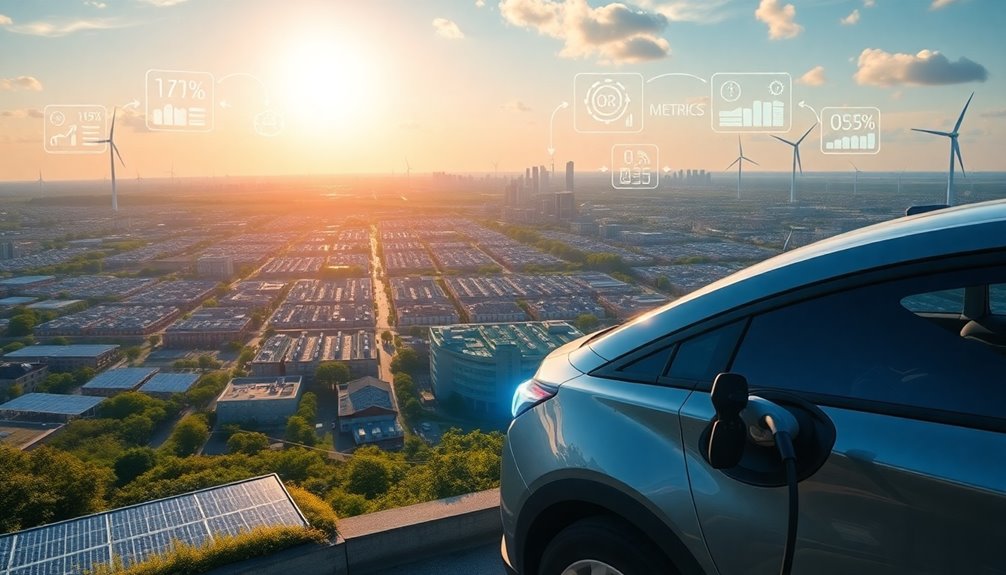
As the world pushes toward ambitious decarbonization goals, integrated energy system models play a crucial role in guiding this transition. You'll find that these models utilize bottom-up approaches to simulate technology-level decisions, allowing you to understand the intricate interactions across various economic sectors. Energy System Optimization Models (ESOMs) provide valuable insights into future energy landscapes, focusing on total system costs and emissions, making them essential tools in your decarbonization journey. ESOMs are instrumental in understanding the economic implications of various technology choices within an energy system.
To effectively reach net-zero CO2 emissions in the energy sector by 2050, you need a holistic approach that extends beyond merely decarbonizing the power sector. This involves embracing strategies like electrification of transportation, which can significantly cut down energy consumption and emissions. Fuel switching to low-carbon options such as hydrogen is another strategy that shows promise, especially within industrial applications.
A holistic approach is essential for achieving net-zero CO2 emissions in the energy sector by 2050, emphasizing electrification and low-carbon fuel switching.
However, you'll also need to consider the importance of Carbon Capture, Utilization, and Storage (CCUS) technologies, which require robust policy support to incentivize adoption. Integration challenges such as sector coupling and energy storage must be addressed. By understanding intersectoral dynamics, you can better integrate energy across transportation and residential sectors. This enhances overall efficiency in decarbonization efforts.
Moreover, ensuring grid stability while integrating renewable sources is vital, and advancements in energy storage technologies will support this integration. Lifecycle metrics are equally essential in assessing decarbonization strategies. Utilizing Life-Cycle Analysis (LCA) helps evaluate the environmental impacts of energy systems from production through to their end-of-life.
You can also conduct cost-benefit analyses to gauge the economic feasibility of low-carbon technologies over their lifetimes. Integrating vehicle-to-grid (V2G) dynamics presents an opportunity for aligning electric vehicle charging with grid needs, further enhancing the stability of energy systems. By utilizing these integrated energy system models, you can navigate the complex landscape of decarbonization with clarity and confidence.
As an affiliate, we earn on qualifying purchases.
Frequently Asked Questions
What Are the Main Benefits of Sector Coupling in Energy Systems?
Sector coupling in energy systems offers you numerous benefits.
It reduces greenhouse gas emissions by integrating renewable energy sources across sectors, enhancing energy security.
You'll see lower energy costs due to improved efficiency and the creation of new job opportunities.
Plus, it boosts grid stability and resilience while enabling advanced technologies like electric vehicles and smart grids.
Ultimately, sector coupling supports a more sustainable energy future and helps you meet climate goals effectively.
How Do Lifecycle Metrics Influence Energy Policy Decisions?
Lifecycle metrics significantly influence your energy policy decisions by providing a comprehensive view of environmental impacts and costs associated with energy technologies.
They help you evaluate sustainability, guiding the selection of cleaner options. By informing regulatory frameworks and encouraging innovation, lifecycle metrics enable you to set effective targets for carbon footprint reduction.
Additionally, they facilitate stakeholder engagement, ensuring that energy policies are inclusive and reflective of diverse perspectives within the community.
What Role Do Electric Vehicles Play in Decarbonization Strategies?
Electric vehicles (EVs) play a crucial role in decarbonization strategies by significantly reducing greenhouse gas emissions compared to traditional gas-powered cars.
When charged with renewable energy, they maximize their environmental benefits. While upfront costs can be high, you'll save on fuel and maintenance in the long run.
Additionally, EVs help stabilize the power grid through vehicle-to-grid technology, further supporting the integration of clean energy sources and enhancing overall energy efficiency.
How Can Vehicle-To-Grid Technology Enhance Renewable Energy Integration?
Imagine your electric vehicle as a trusty knight, ready to slay the dragon of energy waste.
With vehicle-to-grid technology, you harness its power to store excess renewable energy, ensuring it doesn't go to waste.
When the grid faces a storm of demand, your knight steps in, balancing supply and demand.
What Challenges Exist in Implementing Integrated Energy System Models?
When implementing integrated energy system models, you face several challenges.
Uncertainty in production and consumption complicates your analysis, while balancing technical and economic modeling can overwhelm your resources.
You also struggle with achieving the necessary spatial-temporal resolution, often needing to simplify models.
Managing diverse data types and ensuring their quality is tough, and integrating policies with evolving regulatory frameworks can hinder your progress.
Public acceptance and economic viability remain significant hurdles too.
Conclusion
In wrapping up, you see that integrated energy system models are key to navigating the complex road to decarbonization. By embracing sector coupling, lifecycle metrics, and vehicle-to-grid dynamics, we can unlock a greener future. Think of it as planting seeds today to reap a harvest of clean energy tomorrow. The path may be winding, but with these tools, we can all play a part in steering towards a sustainable world. Let's drive the change together!
Fall Picks
fall essentials
As an affiliate, we earn on qualifying purchases.