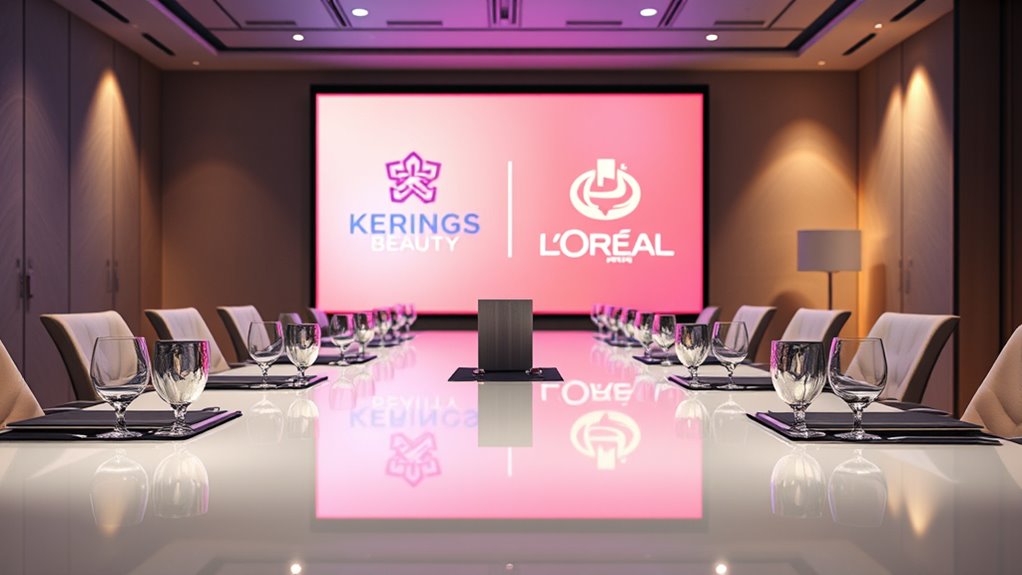

Kering has agreed to sell its beauty division to L’Oréal for about $4.6 billion, marking a strategic move for both companies. This deal strengthens L’Oréal’s position in luxury beauty, allowing it to expand its high-end portfolio and reach new markets. For Kering, selling its beauty assets lets it focus more on its core fashion and luxury brands. If you want to discover how this move impacts the industry and both companies, keep exploring the details.
Key Takeaways
- Kering is selling its beauty division, Kering Beauté, to L’Oréal for approximately $4.6 billion.
- The deal includes luxury brands like House of Creed, strengthening L’Oréal’s high-end portfolio.
- Completion of the acquisition is expected in the first half of 2026.
- This transaction marks a strategic shift for Kering to focus on core fashion and luxury businesses.
- The acquisition enhances L’Oréal’s market share and presence in the luxury beauty segment.

Kering is selling its beauty division, Kering Beauté, to L’Oréal in a deal valued at approximately $4.6 billion, marking a considerable shift in the luxury beauty market. This transaction signals L’Oréal’s strategic move to strengthen its presence in the high-end segment, while Kering shifts focus to its core fashion businesses. The deal includes notable brands like House of Creed, renowned for its luxury fragrances, along with other beauty and fragrance lines that carry a rich heritage and reputation. Once completed, expected in the first half of 2026, the acquisition will markedly expand L’Oréal’s portfolio and market reach. The deal’s valuation reflects the brands’ premium positioning and growth potential. The hefty valuation reflects the considerable value placed on Kering’s beauty brands, highlighting their premium positioning and growth potential. For L’Oréal, this move isn’t just about acquiring brands; it’s a calculated effort to diversify and deepen its offerings in the luxury beauty sector. This expansion aligns with L’Oréal’s broader strategy to enhance its premium segment, tapping into new customer segments and markets, especially in regions where luxury beauty is experiencing rapid growth. The acquisition is projected to boost L’Oréal’s revenue, strengthening its competitive edge against other industry players. Financially, the sale will generate substantial capital for Kering, allowing it to reallocate resources toward its core fashion and luxury goods operations. This strategic exit from the beauty sector indicates Kering’s desire to streamline its business focus and optimize its portfolio. From a market perspective, this deal reflects the growing demand for luxury beauty products globally. It could shift competitive dynamics, prompting other brands to reassess their strategies and positioning in the industry. For L’Oréal, gaining access to Kering’s brands opens opportunities to expand into new markets and customer segments, leveraging the brands’ heritage and prestige to amplify its luxury offerings. Operationally, integrating Kering’s brands into L’Oréal’s existing infrastructure will pose challenges. L’Oréal will need to manage brand identities carefully to preserve their unique heritage and appeal. Adjustments in supply chain management and regulatory approvals across various jurisdictions will be necessary, requiring careful planning and execution. The deal might also lead to organizational changes within Kering’s beauty division, affecting employees and operational structures. In essence, this deal is more than a simple sale; it’s a strategic reorientation for both companies. L’Oréal’s acquisition of Kering Beauté enhances its market share and consolidates its position in the luxury beauty industry, while Kering’s exit allows it to focus on its core fashion and luxury sectors. As the deal progresses toward completion, industry watchers will see how this strategic move reshapes the landscape of high-end beauty, with both companies poised to benefit from their respective focuses.

Creed Women’s Inspiration Sample Set, Luxury Fragrance Set with 5 Signature Scents, 1.7ML x 5
This mini fragrance wardrobe contains 1.7ML fragrance samples of our most loved women’s classics: Aventus For Her, Wind…
As an affiliate, we earn on qualifying purchases.
As an affiliate, we earn on qualifying purchases.
Frequently Asked Questions
How Will This Acquisition Impact Kering’s Other Luxury Brands?
This acquisition strengthens your other luxury brands by providing them with more focus and resources. You’ll see enhanced brand positioning and expanded product lines thanks to L’Oréal’s expertise, especially in beauty and fragrances. The deal also boosts your brands’ global reach and market share, making them more competitive. With extra capital and strategic flexibility, you can invest in innovation and growth, ensuring your brands stay ahead in the luxury market.
What Are L’Oréal’s Plans for Kering’s Beauty Portfolio?
You can expect L’Oréal to focus on expanding and innovating Kering’s beauty portfolio by leveraging its advanced R&D capabilities. They plan to develop new luxury fragrances and cosmetic products, emphasizing sustainability and natural ingredients. L’Oréal aims to create exclusive wellness experiences, blending luxury with health and longevity. You’ll see a strategic partnership that boosts brand value, accelerates growth, and enhances Kering’s presence in the high-end beauty market worldwide.
Will There Be Any Changes to Existing Product Lines Post-Acquisition?
You won’t see immediate changes to existing product lines, and L’Oréal plans to keep them operational and intact, maintaining their brand identities. You can expect gradual integration, not abrupt disruptions, and ongoing investment in innovation and reformulation. L’Oréal aims to expand distribution, leverage marketing channels, and enhance formulations, all while respecting the brands’ heritage. So, your favorite products will likely stay available, with potential updates coming over time to meet evolving consumer demands.
How Does This Deal Affect Competition in the Beauty Industry?
This deal narrows competition in the beauty industry by removing a major luxury player, giving L’Oréal more dominance. You’ll likely see L’Oréal leverage its scale and expertise to strengthen its luxury brands, possibly squeezing out smaller competitors. The exclusive licenses and joint ventures mean fewer opportunities for rivals to partner with those luxury brands, making the market more concentrated. Overall, it’s a shift toward increased industry consolidation and strategic collaboration.
What Strategic Reasons Drove Kering to Sell Its Beauty Division?
Like a master chess player, you see the strategic advantage in focusing on your strengths. Kering sold its beauty division to concentrate on its core luxury fashion brands, aiming for better efficiency and profitability. This move frees up resources, reduces operational costs, and aligns with long-term goals. By divesting from a highly competitive, rapidly evolving market, Kering positions itself to innovate and grow more effectively within its high-end fashion niche.

L'Oreal Paris Infallible Blur-fection Longwear Loose Setting Powder, Blurring Face Powder With Up to 24HRs of Wear, Brightening Light Pink, 1 Kit
Brightening Face Makeup: Infallible up to 24H Blur-fection Longwear Loose Finishing Powder sets your makeup while blurring and…
As an affiliate, we earn on qualifying purchases.
As an affiliate, we earn on qualifying purchases.
Conclusion
Imagine holding a delicate glass sculpture, fragile yet priceless. That’s how this $4.6 billion deal feels—an investment in beauty’s future, shaping it with care and precision. You’ve watched Kering’s beauty brands become shining jewels, now passing into L’Oréal’s expert hands. Like passing a torch in a relay race, this move sparks new energy and innovation. Together, they’ll craft beauty stories that inspire, reminding us that even the most delicate creations can leave a lasting impact.
luxury skincare brands Kering brands
As an affiliate, we earn on qualifying purchases.
As an affiliate, we earn on qualifying purchases.
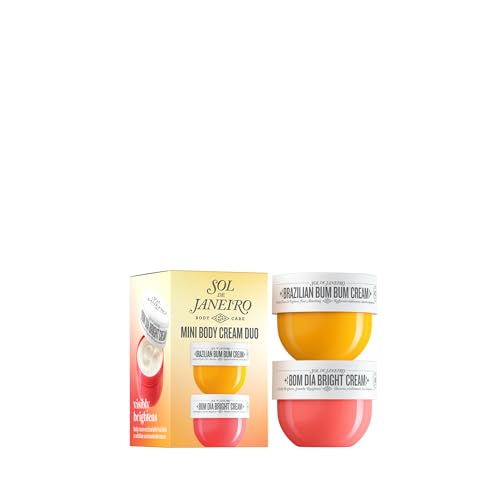
Sol de Janeiro Mini Body Cream Trial Set – Travel Size Set – Beauty Minis – Brazilian Bum Bum Cream & Bom Dia Bright Cream – 2 Piece Set 25 mL – $24 Value
Brazilian Bum Bum Cream (25ml) – Our award-winning, iconic body cream for firmer-looking skin. Visibly smooths and tightens…
As an affiliate, we earn on qualifying purchases.
As an affiliate, we earn on qualifying purchases.