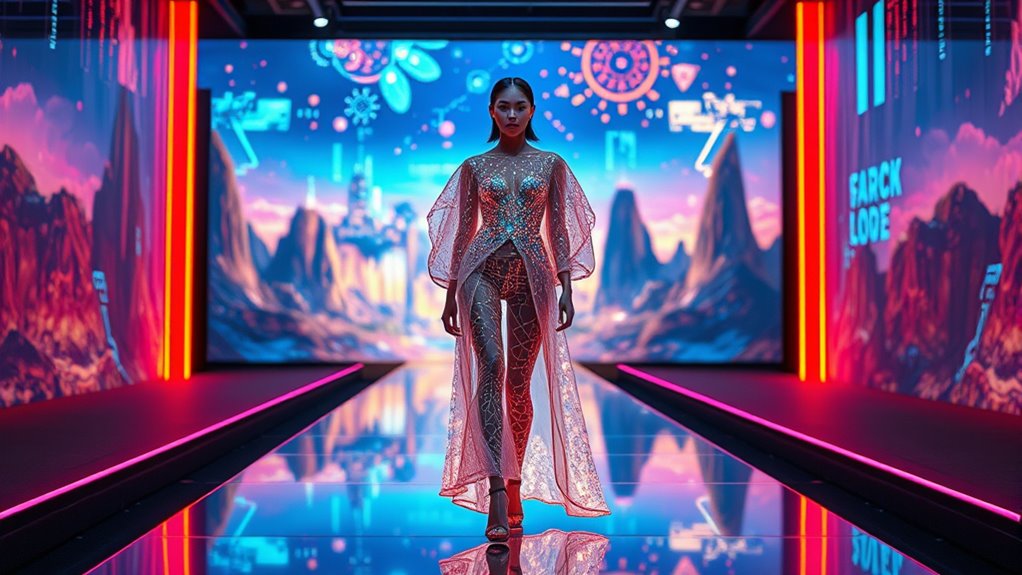

Digital couture is transforming how you experience fashion by allowing you to see and even wear virtual designs that go beyond traditional limits. From stunning virtual runways to immersive metaverse environments, this new approach blends creativity with technology. As designers push boundaries and consumers explore new ways to engage, you might wonder how far this digital shift will go and what it means for the future of style.
Key Takeaways
- Digital couture enables the creation of hyper-realistic virtual wearables tailored for both physical runways and metaverse environments.
- Designers utilize 3D modeling, AR, and AI to develop immersive, customizable, and shareable digital fashion experiences.
- Virtual platforms serve as innovative spaces for showcasing digital garments, engaging audiences through virtual runways and social media.
- Wearables for the metaverse allow seamless integration of physical and virtual fashion, expanding brand reach and consumer interaction.
- Emphasizing sustainability, digital couture reduces material waste and environmental impact while fostering creative experimentation.

Digital couture is transforming how fashion is conceived, designed, and experienced by harnessing advanced technologies like 3D modeling, AI, and virtual environments. Instead of relying solely on traditional fabric and craftsmanship, you now create hyper-realistic, digital-only garments that exist entirely in virtual spaces. These digital garments can be showcased in social media, embedded within gaming worlds, or worn in immersive VR and AR platforms. This fusion of digital technology with classic couture principles allows you to push creative boundaries while addressing pressing ethical and environmental concerns in fashion. Digital couture offers a way to innovate without the waste generated by physical sampling and production, making it a sustainable alternative to traditional fashion practices.
Digital couture redefines fashion through virtual design, sustainable innovation, and immersive digital experiences.
Your work in digital couture begins with powerful 3D software and CAD tools that let you craft intricate designs with precision. Combined with AI and machine learning, these tools help you simulate how garments will look and behave, saving time and resources. This digital approach also enables the production of physical prototypes via 3D printing, allowing you to bring digital designs into the physical world if desired. Virtual environments have become your new runways and retail spaces, transforming how collections are presented and sold. Virtual dressing rooms, AR try-on features, and gamified shopping experiences engage consumers more interactively, especially digital-native audiences who spend significant time online. The integration of ICTs across various stages enhances efficiency and innovation in the fashion industry. Additionally, advancements in digital rendering improve the realism and visual fidelity of virtual garments, making them more appealing and convincing to viewers.
The rise of digital couture responds to the demand for more sustainable and ethical fashion. By reducing material waste and avoiding the environmental costs associated with manufacturing, shipping, and disposal, you contribute to a greener industry. Digital garments aren’t limited by physical constraints, allowing for the creation of complex, detailed designs that are impossible or costly to produce physically. The market for virtual fashion is expanding rapidly, driven by influencers, celebrities, and brands promoting digital clothing on social media. NFTs and blockchain technology help you authenticate and secure ownership of your digital creations, adding a layer of exclusivity and value.
However, digital couture faces hurdles. Critics question its authenticity and the viability of digital-only fashion outside virtual worlds, while high barriers to entry—such as specialized skills and technology—limit widespread adoption. The market is still emerging, and questions remain about long-term value and profitability. Despite these challenges, the future of digital couture looks promising. You can expect to see more hybrid products blending digital and physical elements, blurring the lines between the virtual and real worlds. As technology advances, digital couture will continue to redefine how you design, showcase, and consume fashion, opening new horizons for creativity and sustainability.

Samsung B-Series Soundbar HW-B550F 2.1 ch DTS Virtual:X Soundbar with Subwoofer (2025 Model) Voice Enhance Mode, Bass Boost, Adaptive Sound
FULL, BALANCED SOUND WITH A SUBWOOFER INCLUDED: Hear every beat, rumble and roar with deep and rich bass...
As an affiliate, we earn on qualifying purchases.
Conclusion
As you step into the future of fashion, digital couture transforms your creative vision into dazzling virtual realities. Imagine your designs shimmering on a virtual runway or sparkling in the metaverse, where reality and imagination blend seamlessly. With every pixel, you craft a sustainable, immersive experience that captures hearts and minds. Embrace this revolution, and let your imagination soar beyond the limits of physical fabric—because in digital couture, the only boundary is your own creativity.

VIZIO 5.1 Soundbar SE, Wireless Subwoofer, Surround Sound w/Dolby Atmos & DTS:X, Bluetooth Speaker, QuickFit™ Compatible – SV510X-08 (New, 2024 Model)
Three full-range speakers inside the soundbar, two surround speakers, and one wireless compact subwoofer deliver 96dB of detailed...
As an affiliate, we earn on qualifying purchases.

ULTIMEA 5.1CH Surround Sound Bar with Subwoofer, Dolby Atmos, VoiceMX, BassMX, APP, 300W Soundbar for Smart TV, Home Theater Surround Sound System for TV, BT 5.4, Poseidon M60 (2025 Model)
Simplified 5.1ch Dolby Atmos Setup: Enjoy immersive 4D sound with real Dolby Atmos and 5.1-channel audio. Five built-in...
As an affiliate, we earn on qualifying purchases.
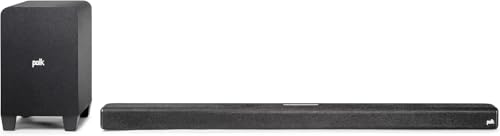
Polk Audio Signa S4 TV Sound Bar with Subwoofer - Dolby Atmos Audio VoiceAdjust & BassAdjust Technology, HDMI eARC, Wireless Subwoofer works with 8K, 4K, & HD TVs, Bluetooth, Wireless Streaming
ADVANCED ULTRA-SLIM SOUNDBAR AND WIRELESS SUB - The Signa S4 Dolby Atmos soundbar, 7-driver array, & dedicated full-range...
As an affiliate, we earn on qualifying purchases.