Data-driven fashion forecasting uses predictive analytics to help you anticipate consumer preferences and enhance your trend design process. By analyzing purchasing patterns and behavior, you can make informed decisions that reduce resource investment while increasing your chances of success. This approach not only aligns product development with market demands but also promotes sustainability through informed sourcing. Stick around to discover how to integrate these insights for a competitive edge in the fast-paced fashion industry.
Key Takeaways
- Data-driven fashion forecasting leverages predictive analytics to anticipate upcoming trends based on consumer behavior and preferences.
- Analyzing purchasing patterns allows brands to accurately predict future demand and align product development with market expectations.
- Utilizing data insights enables more informed decision-making, reducing resource investment and increasing chances of success in competitive markets.
- Real-time data helps designers quickly adapt to changing trends while combining analytical insights with creativity for impactful collections.
- Emphasizing sustainable sourcing through data analysis appeals to environmentally conscious consumers, positioning brands as leaders in ethical fashion.
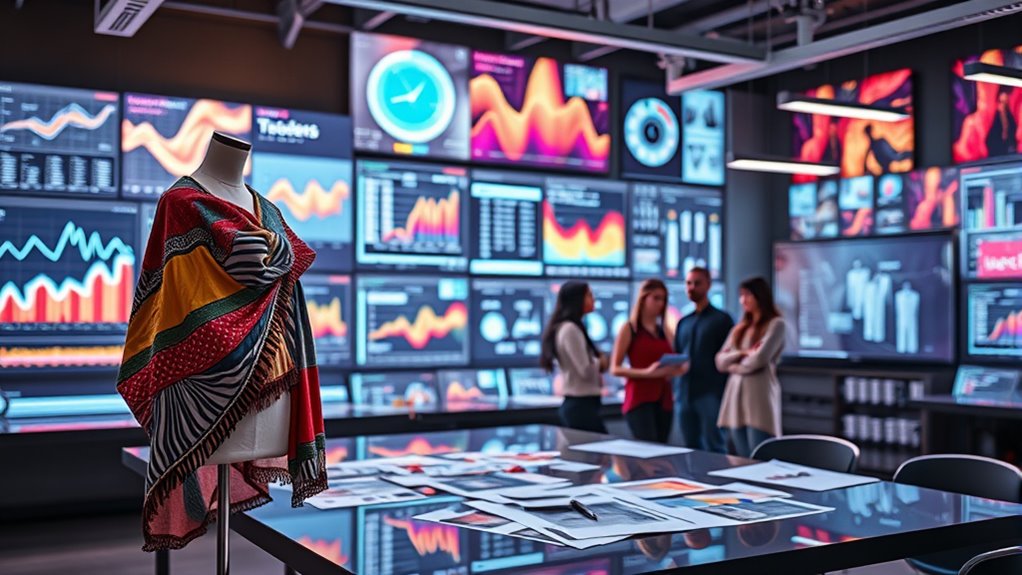
As fashion trends shift faster than ever, understanding what’s next can feel overwhelming. You might find yourself wondering how to stay ahead in a world where styles change with the blink of an eye. Fortunately, data-driven fashion forecasting is revolutionizing how you can predict trends, helping you make informed decisions about what to design and produce. By harnessing predictive analytics, you can gain insights that weren’t possible before, allowing you to be proactive rather than reactive in your approach.
Stay ahead of shifting fashion trends with data-driven forecasting, empowering you to make informed design decisions proactively.
One of the key benefits of using predictive analytics is its ability to analyze consumer behavior and preferences. You can identify patterns in purchasing trends, which equips you to anticipate what your customers will desire next season. Instead of guessing which styles might take off, you’ll have solid data backing your choices. This not only saves time and resources but also enhances the likelihood of success in a highly competitive marketplace.
Moreover, sustainable sourcing is becoming increasingly important to consumers. When you incorporate data-driven insights into your sourcing strategies, you can identify materials and suppliers that align with sustainability goals. This not only appeals to the environmentally conscious consumer but also positions your brand as a leader in ethical fashion. By leveraging analytics, you can track the sustainability of your supply chain, ensuring that your materials are sourced responsibly and transparently.
Digital fabric innovations play a significant role in this process as well. With advancements in technology, you can experiment with new fabrics and materials more efficiently than ever. By analyzing data on fabric performance, you can determine which materials will resonate with your target audience. This allows you to create designs that not only look good but also feel good, as they’re made from innovative fabrics that enhance comfort and functionality.
As you dive deeper into the domain of data-driven fashion forecasting, remember that the key is to stay agile. Trends can change rapidly, and the ability to adapt your designs based on real-time data will set you apart. By embracing a blend of analysis and creativity, you can craft collections that resonate with your audience while paving the way for a more sustainable future. Furthermore, engaging in nighttime meditation can help enhance your creativity and focus, which are essential for innovative design. So, equip yourself with the tools and knowledge necessary to thrive in this fast-paced environment, and watch your brand flourish as you anticipate what’s next in fashion.
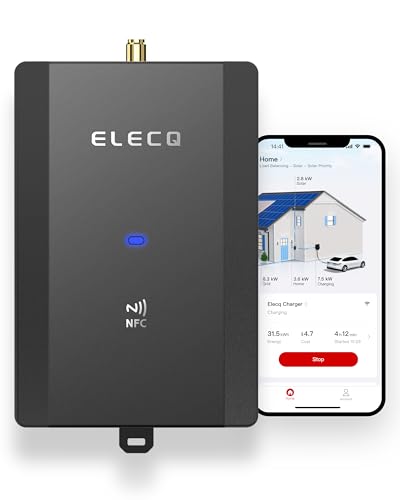
ELECQ Power Monitor, Smart Energy Management for Home EV Charging, Active Load Management & Solar Charging Mode to Save on Costly Electrical Upgrades, Wi-Sun Connectivity (Compatible EVSE)
【Active Load Management】 Household distribution panels often have limited capacity, and running multiple appliances while using your EV...
As an affiliate, we earn on qualifying purchases.
Frequently Asked Questions
How Do Fashion Brands Collect Data for Forecasting Trends?
Fashion brands collect data for forecasting trends through various methods. They often conduct consumer surveys to understand preferences and emerging styles. Additionally, they analyze social media to gauge public sentiment and track popular hashtags, allowing them to spot trends in real-time. By combining insights from these sources, you can predict what styles might resonate with your audience, helping you make informed decisions about future collections and marketing strategies.
What Tools Are Commonly Used for Predictive Analytics in Fashion?
In the fashion world, predictive analytics is like a crystal ball, revealing trends before they bloom. You’ll commonly find AI algorithms and consumer surveys as essential tools in your arsenal. AI algorithms sift through mountains of data, identifying patterns that can shape your designs. Meanwhile, consumer surveys provide invaluable insights into preferences and desires, acting as your compass in the ever-changing landscape of style. Embrace these tools, and you’ll stay ahead of the curve!
Can Small Brands Benefit From Data-Driven Fashion Forecasting?
Absolutely, small brands can benefit from data-driven fashion forecasting. By leveraging insights into consumer behavior, you can tailor your collections to meet market demands effectively. Retail integration allows you to synchronize your inventory with emerging trends, minimizing waste and maximizing sales. Using predictive analytics, you can anticipate what styles will resonate with your audience, helping you stay competitive and relevant in a rapidly changing industry. Embracing this approach can drive growth and customer loyalty.
How Accurate Are Predictive Analytics in Trend Forecasting?
Predictive analytics in trend forecasting can be quite accurate, but it’s essential to remember that no method is foolproof. Trend accuracy often depends on the quality of the data and the algorithms used. While you can expect a good level of prediction reliability, external factors like consumer behavior shifts can still impact outcomes. Staying adaptable and continuously monitoring trends will help you leverage these analytics effectively for your brand.
What Industries Outside Fashion Use Similar Data-Driven Forecasting Methods?
You’ll find that industries like retail and sports heavily rely on data-driven forecasting methods. Retail inventory management uses predictive analytics to optimize stock levels and anticipate customer demand. In sports analytics, teams analyze player performance and game statistics to predict outcomes and enhance strategies. Both sectors utilize data insights to make informed decisions, increase efficiency, and stay competitive, showcasing the versatility of predictive analytics beyond just fashion.

SIEMENS Inhab Smart Home Energy Monitor with 16-50Amp Circuit Level Sensors and 2-200Amp Main Sensors for Real Time Electricity Monitoring and Metering
ENERGY MONITOR WITH MOBILE APP (USA and Canada ONLY) – Track current and historical home energy usage 24/7...
As an affiliate, we earn on qualifying purchases.
Conclusion
In summary, embracing data-driven fashion forecasting is like having a crystal ball for your design choices. By leveraging predictive analytics, you can stay ahead of trends and create collections that resonate with your audience. The power of data not only enhances your creativity but also boosts your bottom line, making your brand stand out in a competitive market. So, don’t just wing it—let the numbers guide your style journey into the future!

Emporia Vue 3 Home Energy Monitor - Smart Home Automation Module and Real Time Electricity Usage Monitor, Power Consumption Meter, Solar and Net Metering for UL Certified Safe Energy Monitoring
SAFETY YOU CAN TRUST WITH UL CERTIFICATION: With Emporia Energy, your home energy monitoring is safe, reliable, and...
As an affiliate, we earn on qualifying purchases.
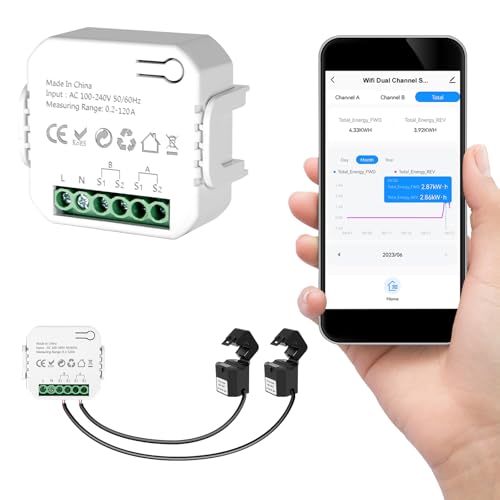
Smart Home Energy Monitor 2×120A, Dual-Channel Real-Time Electricity Usage Monitoring for Household Power, WiFi Energy Meter with App Control, Compatible with Tuya/Smart Life
【Dual-Channel Energy Monitoring】 This smart home energy monitor features two independent high-capacity sensing channels, allowing you to track...
As an affiliate, we earn on qualifying purchases.