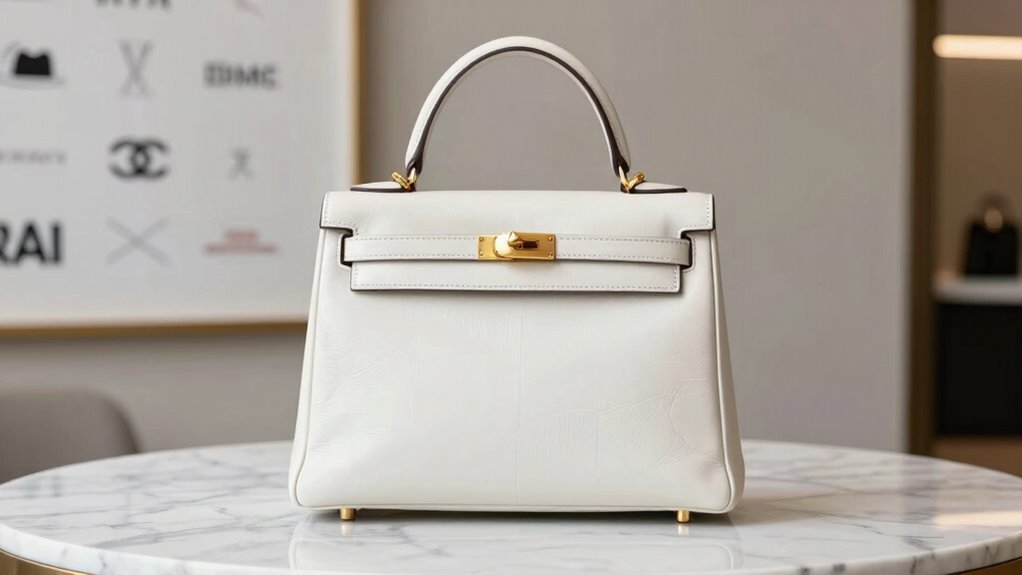

The best luxury brands focus on selling an identity because it creates an emotional bond and a sense of belonging that features alone can’t provide. When you connect with a brand’s story, history, and values, you feel part of an exclusive lifestyle. This emotional resonance makes you see the brand as more than just products—it’s a statement of who you are. Keep exploring, and you’ll discover how these brands craft that powerful sense of prestige.

Get business pricing on tech for your team
- Business-only prices and quantity discounts
- Tax-exempt purchasing
- Multiple users, one account, clear invoices
Key Takeaways
- Luxury brands create an emotional connection through heritage and storytelling, making identity more compelling than technical features.
- Ownership symbolizes belonging to an exclusive lifestyle, emphasizing personal identity over product specifications.
- The focus on heritage and legacy reinforces authenticity, elevating the brand’s status and desirability.
- Exclusive experiences and limited editions foster a sense of privilege aligned with personal values and aspirations.
- Selling an aspirational identity enhances loyalty and emotional resonance, driving long-term brand engagement.

In today’s luxury market, brands are increasingly selling more than just high-end products—they’re offering an identity you can adopt. It’s not just about owning a finely crafted item; it’s about aligning yourself with a story, a lifestyle, and a set of values that distinguish you from the crowd. This approach emphasizes the significance of brand heritage, which acts as the foundation of a luxury brand’s narrative. When you connect with a brand’s history—its origins, craftsmanship, and timeless values—you’re not just purchasing a product; you’re inheriting a legacy. This sense of continuity reinforces your personal identity as someone who appreciates tradition, quality, and exclusivity.
Luxury brands understand that their most powerful asset isn’t just the features or technical specifications of their products but the emotional resonance they evoke. That’s why they prioritize selling an identity first. They craft stories that highlight their unique heritage, making their products symbols of status and refined taste. By doing so, they foster a deep sense of belonging and aspiration. When you buy from a brand with a rich history, you’re signaling that you’re part of an exclusive circle that values authenticity and craftsmanship. This is where the exclusivity strategy plays a vital role. It’s designed to make you feel special, as if you’re part of a select group that has access to something rare and valuable. Limited editions, personalized services, and invitation-only events aren’t just marketing tactics—they’re integral to creating a sense of privilege and uniqueness.
Luxury brands craft stories and exclusivity, making ownership a symbol of status, authenticity, and refined taste.
This focus on identity over features also explains why luxury brands often emphasize experience and storytelling over technical innovation. They know that what truly sells is the feeling of connection and distinction that their brand embodies. They understand that emotional resonance and heritage are key drivers of consumer loyalty, which is why they invest heavily in brand storytelling and cultivating a narrative that resonates deeply with their audience. When you see a luxury logo or hear a brand’s name, it’s the legacy and exclusivity behind it that resonate most deeply. It’s about positioning you as part of a narrative that elevates your personal identity, making your ownership of their products a statement of who you are and what you stand for.
Ultimately, the best luxury brands don’t just sell products—they sell a lifestyle. They craft an identity rooted in their heritage and reinforced through strategic exclusivity. You’re not just buying an item; you’re investing in a symbol of prestige that aligns with your personal values and aspirations. That’s why, in the world of luxury, stories and status matter far more than features alone.
As an affiliate, we earn on qualifying purchases.
Frequently Asked Questions
How Do Luxury Brands Create a Strong Brand Identity?
You create a strong brand identity by emphasizing your heritage appeal and craftsmanship storytelling, making your brand resonate emotionally. Share authentic stories about your history, artisans, and meticulous processes to build trust and exclusivity. Use consistent visual elements and messaging that reflect your legacy. This approach helps you connect deeply with customers, positioning your brand as timeless and prestigious, beyond just the features of your products.
What Role Does Storytelling Play in Luxury Branding?
Storytelling plays a vital role in luxury branding by weaving narrative authenticity and cultural symbolism into your brand’s identity. You engage your audience emotionally, making the brand more memorable and meaningful. When you share genuine stories rooted in heritage or cultural significance, you foster trust and loyalty. This deep connection elevates your brand beyond features, allowing customers to see it as a symbol of prestige and identity.
How Does Exclusivity Influence Consumer Perception?
You feel special when you see celebrity endorsements and limited editions, making exclusivity seem like a personal secret. It influences your perception by creating a sense of rarity, making you believe you’re part of an elite group. This feeling boosts your desire to own the brand, reinforcing its status and desirability. When exclusivity is woven into the brand’s identity, it turns ordinary products into coveted symbols of distinction.
Why Is Emotional Connection Crucial for Luxury Brands?
You need emotional connection because it creates emotional resonance, making your audience feel personally linked to your brand. When you foster this bond, your customers see your luxury brand as part of their personal branding, not just a product. This emotional attachment drives loyalty and makes your brand memorable. By prioritizing feelings over features, you build a deeper, lasting relationship that elevates your brand’s prestige and desirability.
How Do Luxury Brands Maintain Consistency Across Markets?
Like a vintage watch, luxury brands maintain consistency by balancing heritage preservation with cultural adaptation. You guarantee your brand’s core identity stays intact while tailoring experiences to each market’s unique preferences. By prioritizing authentic storytelling, consistent visual cues, and high-quality service, you create a seamless experience across regions. This approach preserves your brand’s prestige and fosters loyalty, no matter where your customers are, keeping your luxury allure timeless.
Conclusion
So, next time you’re tempted by that shiny new gadget or designer label, remember—luxury brands aren’t just selling features; they’re selling your identity. Ironically, what you’re really buying isn’t the product itself, but the image you project with it. It’s a clever game: they sell you who you want to be, and you happily pay for the privilege. After all, isn’t the real luxury the feeling of belonging to something bigger than the product?
Fall Picks
fall essentials
As an affiliate, we earn on qualifying purchases.