

Crisis communication is essential in the luxury industry for managing reputational risks. When challenges arise, effective, transparent messaging can strengthen your brand’s loyalty and trust. Engaging with customers through the right platforms and using influencers can bolster credibility and reassure your audience. Timely responses and proactive strategies help control narratives and mitigate potential damage. Staying attuned to customer sentiment is imperative for maintaining brand integrity, paving the way for deeper insights into successful crisis management.
Key Takeaways
- Effective crisis communication strengthens brand loyalty by fostering trust and transparency with customers during challenging situations.
- Proactive media strategies and timely responses help control narratives and shape public perception, minimizing reputational risks.
- Utilizing influencers and brand ambassadors amplifies crisis messaging, leveraging their credibility to reassure customers and mitigate damage.
- Selecting appropriate platforms ensures targeted reach, allowing luxury brands to maintain message control and connect with loyal audiences.
- Engaging openly during crises reinforces brand integrity and demonstrates commitment to customers, essential for long-term brand survival.
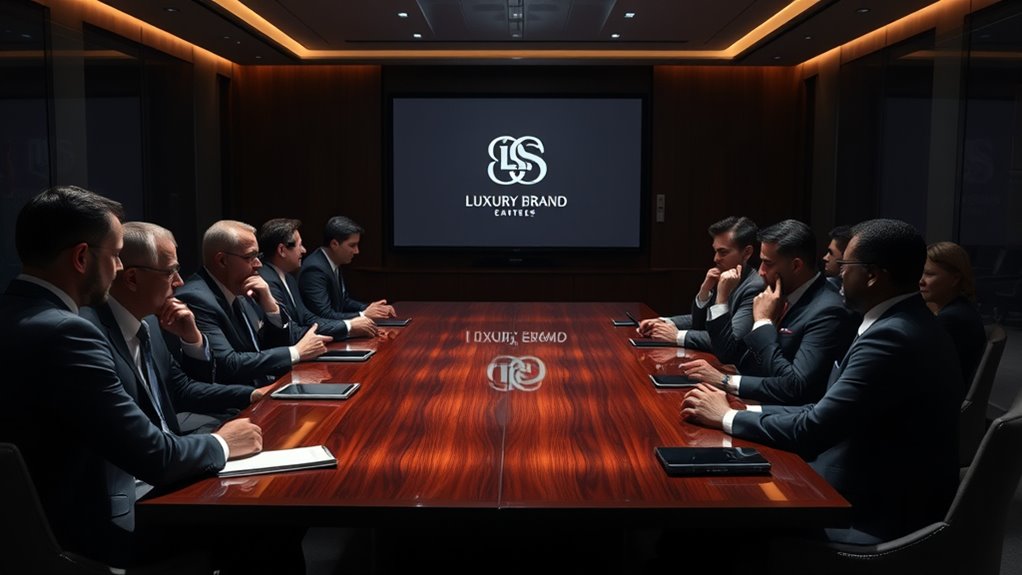
How do luxury brands navigate the treacherous waters of a crisis? It’s a delicate balance of maintaining their image while addressing the concerns of their customers. You see, luxury brands thrive on brand loyalty, and when a crisis hits, that loyalty can be put to the test. The way a brand communicates during tough times often determines whether it emerges stronger or falters under pressure.
When faced with a crisis, a luxury brand must act swiftly and decisively. You’ll notice they often adopt specific media strategies to control the narrative. They know that traditional and social media can amplify any negative story, so they’re proactive. They engage in transparent communication, directly addressing the issue, and reassuring their audience. This openness is critical for retaining brand loyalty. Customers want to feel connected to the brand, and they appreciate honesty. If a brand botches its response, it risks alienating its loyal clientele.
In crisis management, timing is everything. Luxury brands usually monitor social media channels closely to gauge customer sentiment. By doing this, they can tailor their messaging to address concerns directly. Imagine scrolling through your feed and seeing a heartfelt message from a brand you love, acknowledging the problem and outlining their steps to rectify it. It’s likely to resonate with you, reinforcing your loyalty to that brand.
Moreover, luxury brands often enlist the help of influencers and brand ambassadors during a crisis. These figures can help disseminate the brand’s message effectively and lend credibility to their response. If an influencer you trust speaks positively about the steps a brand is taking, it can reassure you and others that the brand is handling the situation correctly.
Another essential aspect of their media strategies is the choice of platforms. Luxury brands often gravitate towards high-end publications and exclusive social media channels to convey their messages. This allows them to maintain control over the narrative and reach their target audience effectively. It’s a calculated move to ensure that their loyal customers receive the information directly from the source, minimizing the risk of misinformation.
Ultimately, your perception of a luxury brand during a crisis can hinge on how they handle communication. If they manage to maintain transparency, engage with their audience, and reinforce their brand values, you’re likely to remain loyal. In a world where brand loyalty is paramount, these strategies are not just smart—they’re essential for survival in the luxury industry. Additionally, effective communication strategies often help brands mitigate reputational risks and restore consumer confidence during turbulent times.
Frequently Asked Questions
How Can Luxury Brands Prevent Crises Before They Occur?
To prevent crises before they occur, you need to focus on proactive monitoring and stakeholder engagement. Keep an eye on trends and customer feedback to identify potential issues early. Regularly engage with your stakeholders, building strong relationships that foster trust and open communication. By staying ahead of challenges and addressing concerns promptly, you can mitigate risks and maintain your brand’s reputation in the luxury market. It’s all about being prepared and responsive.
What Role Does Social Media Play in Luxury Crisis Communication?
Social media plays a vital role in luxury crisis communication by enabling real-time monitoring of customer sentiments and brand perception. By actively engaging in social media monitoring, you can quickly identify potential issues before they escalate. This proactive approach helps safeguard your digital reputation, allowing you to respond promptly and effectively. When a crisis arises, your ability to communicate transparently and authentically on social platforms can greatly influence public perception and recovery.
How Should Luxury Brands Handle Influencer Controversies?
When you face an influencer controversy, don’t panic like it’s the ’90s! Start with influencer transparency—publicly address the situation and clarify your brand’s stance. Engage with your audience to show you’re listening and care about their concerns. Use this moment for reputation management by reinforcing your brand values and commitment to authenticity. Collaborate with trusted influencers to rebuild trust, and keep communication open to maintain a positive brand image moving forward.
What Are the Long-Term Effects of a Crisis on Brand Loyalty?
A crisis can markedly impact brand loyalty, often leading to skepticism among consumers. If you handle reputation management effectively, you might mitigate long-term damage, but trust often takes time to rebuild. Customers may reevaluate their loyalty and seek alternatives, especially if they feel betrayed. Staying transparent and responsive helps restore confidence, but remember, the effects can linger. Proactively addressing concerns can enhance your brand’s resilience and eventually strengthen loyalty over time.
How Can Luxury Brands Rebuild Trust After a Crisis?
Luxury brands can rebuild trust after a crisis by prioritizing brand transparency and enhancing customer engagement. In fact, 86% of consumers say that transparency builds trust. To regain loyalty, you should openly communicate about the crisis and the steps taken to address it. Actively engage with your audience through social media and personalized experiences, showing them you value their feedback and are committed to improving. This approach can help restore confidence in your brand.
Conclusion
In today’s fast-paced world, you can’t afford to overlook crisis communication, especially in the luxury industry. Sure, you might think that a strong brand reputation can weather any storm, but even the most prestigious names can falter without a solid plan. By proactively managing reputational risks and addressing issues head-on, you not only protect your brand but also foster loyalty and trust among your customers. Don’t wait for a crisis to strike—be prepared to shine even in the darkest moments.