Like a modern-day secret handshake, luxury brands are turning to NFTs to safeguard their products. These digital tokens serve as unique proof of authenticity, making counterfeiting far more difficult. But how exactly do they use this technology to build trust and protect integrity? The answer reveals a shift in how brands are reimagining their relationship with consumers and counterfeiters alike, a change you’ll want to understand if authenticity matters to you.
Key Takeaways
- Luxury brands pair physical products with unique NFTs to provide a secure digital proof of authenticity.
- Blockchain records create tamper-proof provenance histories, making counterfeiting significantly more difficult.
- NFTs enable seamless verification and tracking of ownership during resale, preserving product value and consumer trust.
- Digital certificates and NFTs facilitate direct brand-consumer communication, enhancing transparency and loyalty.
- Blockchain-based ownership records assist law enforcement and brands in identifying and intercepting counterfeit goods.

Luxury brands are turning to NFTs to combat the pervasive problem of counterfeiting. By leveraging blockchain technology, they create immutable and transparent provenance records for their products. When you purchase a luxury item with an NFT, it’s linked to a digital certificate that permanently stores details about the materials, craftsmanship, and origin. This record is tamper-proof, meaning it can’t be altered or deleted, ensuring the authenticity of your purchase. It also documents the entire supply chain, from raw materials to finished product, providing a clear history that’s accessible to anyone. This transparent ledger makes it considerably harder for counterfeit items to pass as genuine because each product’s authenticity can be verified with a simple blockchain check. Additionally, NFTs allow for tracking ownership changes over time, especially important in the secondary market—so when you resell a luxury item, its authenticity remains verifiable, maintaining value and trust. Blockchain’s decentralization ensures that no single entity controls the data, making it even more secure against tampering.
Each physical luxury piece is paired with a unique NFT, giving it a non-fungible digital identity that counterfeiters can’t duplicate. This digital fingerprint acts as a secure badge of authenticity. When you or a retailer want to verify a product, you can quickly check the NFT on the blockchain. This process is fast, reliable, and difficult to fake, unlike traditional tags or holograms, which can be duplicated. For example, Nike’s “CryptoKicks” uses NFTs to authenticate sneakers throughout their lifecycle, making it easier to detect fakes at any stage. This integration not only discourages counterfeiters but also offers consumers peace of mind, knowing their luxury goods are genuine.
Pairing luxury items with unique NFTs ensures quick, reliable authenticity verification that’s nearly impossible to duplicate.
NFTs also foster direct communication between brands and consumers, building trust and loyalty. When you own an NFT linked to a product, you might gain access to exclusive brand experiences, special events, or loyalty programs, deepening your engagement. This transparency reassures buyers that the product is authentic, which justifies premium pricing and enhances brand reputation. Over time, this creates a verified community of owners, reducing fraud and increasing consumer confidence.
Moreover, NFTs strengthen legal and enforcement efforts. Blockchain records serve as irrefutable evidence of ownership and authenticity, helping brands and law enforcement crack down on counterfeit manufacturing and distribution. Clear digital ownership trails can be used in court, and authorities can more effectively intercept fake goods in transit. Brands also use NFTs to monitor and block counterfeit sales on digital platforms, further protecting their intellectual property and consumers. In this way, NFTs act as a powerful tool in the fight against counterfeiting, while simultaneously building trust and reinforcing the luxury brand’s integrity.

Coleman Sicily Energy-Efficient AirJet Inflatable Hot Tub 5-7 Person with App-Control
ENERGY-EFFICIENT CONSTRUCTION: EnergySense insulated walls and cover are up to 40% more energy-efficient than similar hot tubs; MaxHold...
As an affiliate, we earn on qualifying purchases.
Conclusion
By embracing NFTs, you can considerably strengthen your brand’s fight against counterfeits and boost consumer trust. While some argue that digital certificates alone can’t fully eliminate fakes, the transparency and traceability they offer make counterfeiting increasingly difficult. This technology may not be a silver bullet, but it’s a powerful tool that, combined with other measures, could genuinely reshape how luxury brands protect their reputation and foster genuine loyalty.
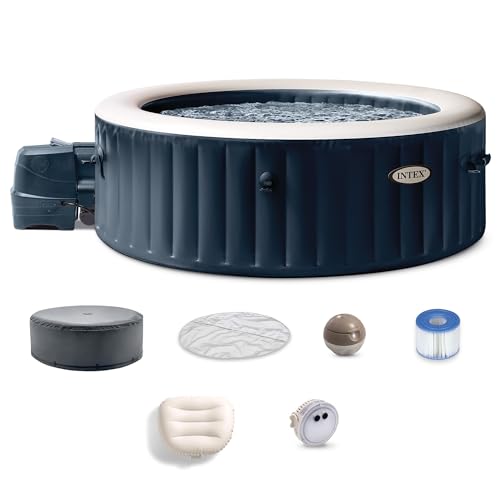
INTEX 28431EP PureSpa Plus Bubble Massage Inflatable Spa Set: Includes Energy Efficient Spa Cover –2 Headrests – LED Light – 6 Person Capacity – 85" x 28"
FIBER-TECH BEAM CONSTRUCTION: Innovative Fiber-Tech Technology offers superior structural stability while maintaining a comfortable surface for a luxurious...
As an affiliate, we earn on qualifying purchases.

INTEX PureSpa Greystone Deluxe 4 Person Square Inflatable Hot Tub, Bubble Massage Spa Set with Energy Efficient Cover, 2 Headrests, & LED Light, 69 in x 28 in
Heated Air Bubble Technology: Immerse yourself in heated air bubbles that relax your body, melt away stress, and...
As an affiliate, we earn on qualifying purchases.

Bestway SaluSpa Fiji 2 to 4 Person Inflatable Hot Tub, Round Energy-Efficient Portable Outdoor Spa with 120 AirJets, 71" x 26"
Soothing AirJet Massage System: The Bestway SaluSpa Fiji hot tub features 120 bubble jets that create a warm...
As an affiliate, we earn on qualifying purchases.