In today’s market, showcasing authentic sustainability efforts is more critical than ever, yet greenwashing remains a persistent challenge. By leveraging on-chain ESG credentials, you can provide transparent, tamper-proof proof of your commitments that build trust with stakeholders. But how exactly does blockchain technology transform your sustainability messaging and protect your reputation? Exploring this approach could redefine how you demonstrate your company’s responsible practices—if you understand its full potential.
Key Takeaways
- Blockchain provides a tamper-proof, transparent record of ESG data, ensuring authenticity and reducing greenwashing risks.
- On-chain verification of supply chain and lifecycle data builds consumer trust through verified sustainability claims.
- Decentralized identifiers and secure hashes enable authentic project credentials and accurate emissions auditing.
- Blockchain-based asset tokenization and market transparency support verifiable trading of sustainability assets like carbon credits.
- High data integrity and real-time visibility position organizations as credible leaders in responsible business practices.

Blockchain technology is transforming how companies establish and verify their ESG credentials by providing a transparent, tamper-proof digital record. This decentralized ledger records sustainability data securely and openly, making it nearly impossible to alter or manipulate once entered. When you leverage blockchain for ESG, you gain a permanent trail of verified metrics covering environmental efforts, social responsibility, and governance practices. This transparency allows investors, regulators, and consumers to access reliable information directly, enhancing accountability across your entire supply chain.
Blockchain provides a tamper-proof, transparent record of ESG data, enhancing trust and accountability across your supply chain.
With blockchain, every step of your supply chain becomes traceable. You can document the origin of raw materials, track their journey through processing and transportation, and verify their disposal or recycling. This detailed lifecycle transparency supports your company’s circular economy goals, demonstrating resource reuse and waste reduction. For example, you can confirm that organic cotton in your fashion line genuinely meets sustainability standards or ensure responsible sourcing of minerals used in electronics. By providing verifiable, immutable data, blockchain empowers consumers with the knowledge they need to make informed choices and pressures your organization to uphold high ESG standards. Additionally, blockchain’s transparency helps identify and mitigate potential supply chain risks related to environmental or social issues before they escalate.
One of blockchain’s most significant strengths lies in its ability to counteract greenwashing. False or exaggerated claims about sustainability are exposed through tamper-proof records that can be verified by authorized parties. When your ESG data is securely stored on a blockchain, it becomes much harder for competitors or yourself to manipulate information without detection. The authenticity of this data depends on reliable initial inputs, often validated by IoT devices or third-party audits integrated into the system. This setup enforces genuine accountability, fostering trust among investors, regulators, and the public. As a result, your company’s reputation benefits from transparent reporting that accurately reflects your sustainability efforts, reducing the risk of reputational damage from misleading claims.
Blockchain also serves as a foundational infrastructure for ESG projects and assets. It can support project verification, tokenization of sustainability assets like carbon credits, and facilitate transparent trading in carbon markets. Using decentralized identifiers compliant with industry standards, your organization can authenticate project credentials on-chain, creating a trusted digital record of your sustainability initiatives. Hashes from IoT sensors monitoring emissions are stored immutably, enabling accurate emissions auditing and compliance. Lifecycle tracking of ESG projects on blockchain demonstrates your long-term commitment to sustainability and provides a clear audit trail for stakeholders.
In essence, adopting blockchain for ESG credentials elevates your company’s ability to market sustainability authentically. It ensures data integrity, enhances transparency, and builds trust, all while reducing the risk of greenwashing. By leveraging this technology, you position your organization as a credible leader in responsible business practices, demonstrating real progress rather than just claims. Blockchain transforms ESG reporting from a potential liability into a strategic asset, helping you showcase your sustainability efforts with integrity and confidence. This technology also plays a crucial role in ensuring the accuracy of ESG data, as it minimizes the potential for human error and manipulation.
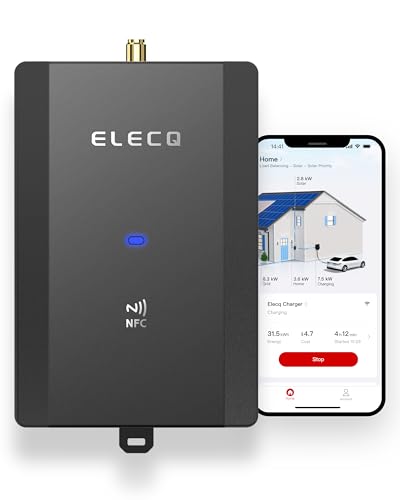
ELECQ Power Monitor, Smart Energy Management for Home EV Charging, Active Load Management & Solar Charging Mode to Save on Costly Electrical Upgrades, Wi-Sun Connectivity (Compatible EVSE)
【Active Load Management】 Household distribution panels often have limited capacity, and running multiple appliances while using your EV...
As an affiliate, we earn on qualifying purchases.
Conclusion
By harnessing blockchain for ESG credentials, you’re planting seeds of trust that grow into a thriving, transparent garden. This technology guarantees your sustainability story is rooted in authenticity, not weeds of greenwashing. As you showcase verified practices, you become a beacon of credibility in the marketplace, guiding stakeholders through the fog of false claims. Embrace on-chain ESG credentials, and watch your reputation blossom into a symbol of genuine responsibility and lasting impact.

SIEMENS Inhab Smart Home Energy Monitor with 16-50Amp Circuit Level Sensors and 2-200Amp Main Sensors for Real Time Electricity Monitoring and Metering
ENERGY MONITOR WITH MOBILE APP (USA and Canada ONLY) – Track current and historical home energy usage 24/7...
As an affiliate, we earn on qualifying purchases.

Emporia Vue 3 Home Energy Monitor - Smart Home Automation Module and Real Time Electricity Usage Monitor, Power Consumption Meter, Solar and Net Metering for UL Certified Safe Energy Monitoring
SAFETY YOU CAN TRUST WITH UL CERTIFICATION: With Emporia Energy, your home energy monitoring is safe, reliable, and...
As an affiliate, we earn on qualifying purchases.
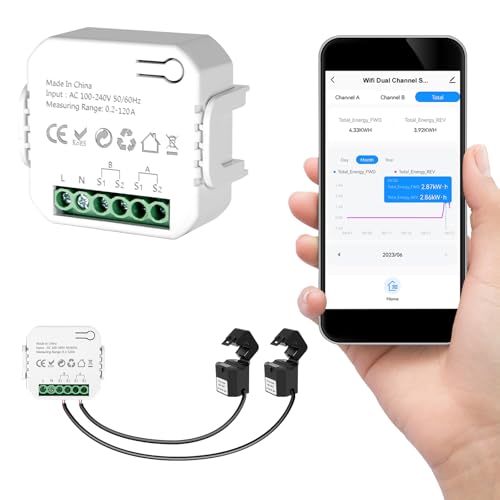
Smart Home Energy Monitor 2×120A, Dual-Channel Real-Time Electricity Usage Monitoring for Household Power, WiFi Energy Meter with App Control, Compatible with Tuya/Smart Life
【Dual-Channel Energy Monitoring】 This smart home energy monitor features two independent high-capacity sensing channels, allowing you to track...
As an affiliate, we earn on qualifying purchases.