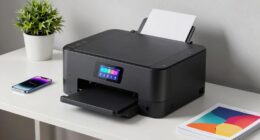
Many travelers don’t realize that border crossings can involve unexpected searches of electronic devices, including hardware wallets. Without proper precautions, your digital assets could be exposed or confiscated. Knowing how to prepare can make a significant difference in safeguarding your holdings. Curious about the best strategies to keep your hardware wallets secure while passing through customs? There’s more to think about than just packing your devices—let’s explore how to do it safely.
Key Takeaways
- Power off or enable airplane mode on devices to prevent data exposure during border searches.
- Carry only essential hardware wallets and seed backups, stored securely and inconspicuously.
- Update firmware and verify device authenticity before travel to ensure security.
- Keep seed phrases and backups separate, encrypted, and hidden in tamper-evident containers away from travel documents.
- Be aware of border search rights, prepare plausible deniability, and understand legal implications of refusing access.
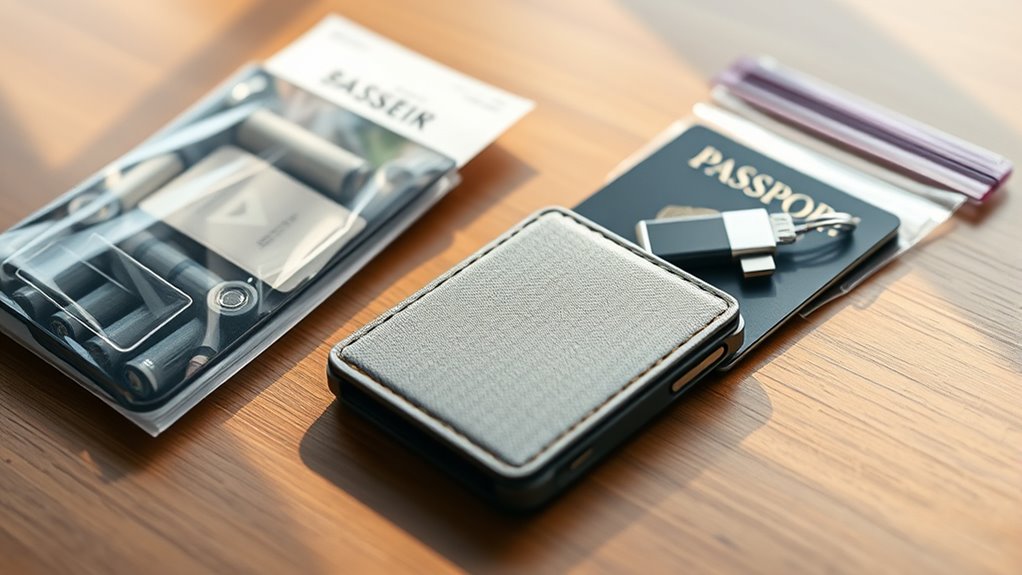
Traveling with cryptocurrency requires careful planning to keep your assets secure. The first step is selecting a reputable, security-hardened hardware wallet designed to withstand both physical and digital attacks. When choosing your device, verify its authenticity using manufacturer tools to avoid counterfeit or tampered products. Before you leave, update the firmware to the latest version, ensuring all security vulnerabilities are patched. Keep in mind, only store the seed phrase associated with your current travel wallet—leave backup phrases for other accounts at home. Confirm the device is PIN-protected and has no visible markings that could reveal its purpose as a hardware wallet. This helps maintain plausible deniability if questioned.
Secure your hardware wallet before travel: verify authenticity, update firmware, and store only necessary seed phrases.
Creating a secure backup of your seed phrase is vital. Use tamper-evident materials to store it separately from your device, and consider dividing the backup across multiple locations to prevent total loss if one is compromised. If you digitize the backup, encrypt the files and avoid storing unencrypted seed phrases on smartphones or laptops. Never keep backup information in checked luggage; instead, carry it on your person or in your carry-on. Also, avoid unnecessary wallet files or software on your devices. If digital copies are essential, encrypt them and obscure file names to prevent easy detection. Being aware of digital security concerns and best practices can further protect your assets during travel.
Be aware that border agents have the authority to search electronic devices and hardware wallets without a warrant. Prepare accordingly by keeping devices powered off or in airplane mode to minimize data exposure until required to access. When asked about your cryptocurrency holdings, answer truthfully if necessary, but consider having plausible deniability strategies ready. Always declare large amounts of cryptocurrency or financial instruments if legally required; in the U.S., amounts over $10,000 must be declared. Understand that refusing to provide device passwords or PINs may lead to detention or confiscation, so weigh your options carefully. Border searches can compel access to stored data, including encrypted wallets and cloud backups. Only carry the hardware wallets and keys essential for your trip—leave large holdings in secure, offline multisignature solutions. Use multisig wallets for significant assets to distribute risk and avoid a single point of failure. Protect all devices with strong PINs or passphrases, and never share or write them down in plain text. Hot wallets on smartphones should be avoided in high-crime areas, and all devices should be locked with robust authentication when not in use.
Physically secure your hardware wallets and seed backups by hiding them in inconspicuous containers or concealed compartments. Avoid advertising their presence by using non-descript storage or disguising them as everyday items. Never leave wallets or backups unattended in hotels, rental cars, or public spaces. Use tamper-evident bags or seals to detect unauthorized access during travel. Carry only the minimal amount of cryptocurrency needed, limiting your exposure in case of loss or theft. Following these steps ensures you’re prepared to cross borders safely, protecting your digital assets throughout your journey.
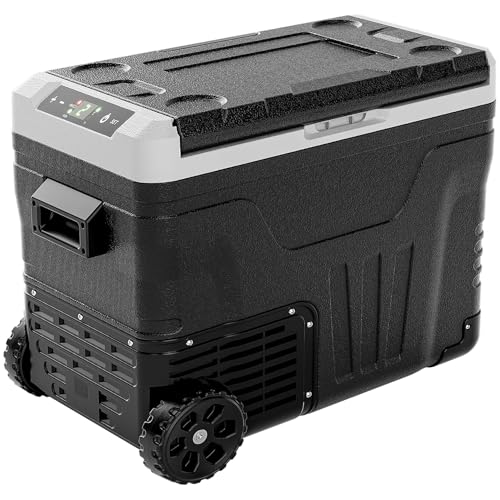
EUHOMY 12 Volt Refrigerator, 53QT(50L) Electric Cooler, Portable Freezer 12V/24V DC 100-240V AC, 12V Fridge -4℉~68℉, 12V Cooler with Wheels & 2 Baskets for Travel,Camping,Truck,Boat
Package Inclusions & 2 Year Tech Support; EUHOMY electric cooler comes with 110/240V AC, 12/24V DC adapters, two...
As an affiliate, we earn on qualifying purchases.
Conclusion
By following these tips, you greatly reduce the risk of losing access to your assets during border crossings. Did you know that over 60% of travelers experience some form of digital security concern, like device confiscation or data theft? Staying prepared with updated, secured, and discreetly stored hardware wallets ensures your assets stay safe and accessible. Practice good digital hygiene, stay vigilant, and enjoy worry-free travels—your crypto security depends on it.

EUHOMY 12 Volt Refrigerator, 11 Quart (10L) Compressor Electric Cooler APP Control, Car Fridge 12/24V DC & 100-240V AC, Car refrigerator -4℉~68℉, Portable Freezer for RV, Camping, Travel
Package Contents & 2 Year Technical Support: EUHOMY electric cooler comes with 100/240V AC and 12/24V DC adapters,...
As an affiliate, we earn on qualifying purchases.

BougeRV 12V Refrigerator Fridge Freezer Portable Car Fridge 42 Quart Electric Cooler 12V/24V DC 110~240V AC for RV Camper Truck Jeep Pickup SUV Van Boat Camping Tailgating Road Trip Outdoor Travel
Certification: With CE and FCC certification, the Refrigerator encloses 2-year tech support for the compressor and other accessories....
As an affiliate, we earn on qualifying purchases.

EUHOMY 12 Volt Refrigerator, 59QT(55L) Electric Cooler, 12V Fridge APP Control, 12V Cooler -4℉~68℉, Portable Freezer 12/24V DC 100-240V AC for Camping, Travel, Truck, Home
Package Inclusions & 2 Year Tech Support; EUHOMY electric cooler is equipped with 110/240V AC and 12/24V DC...
As an affiliate, we earn on qualifying purchases.