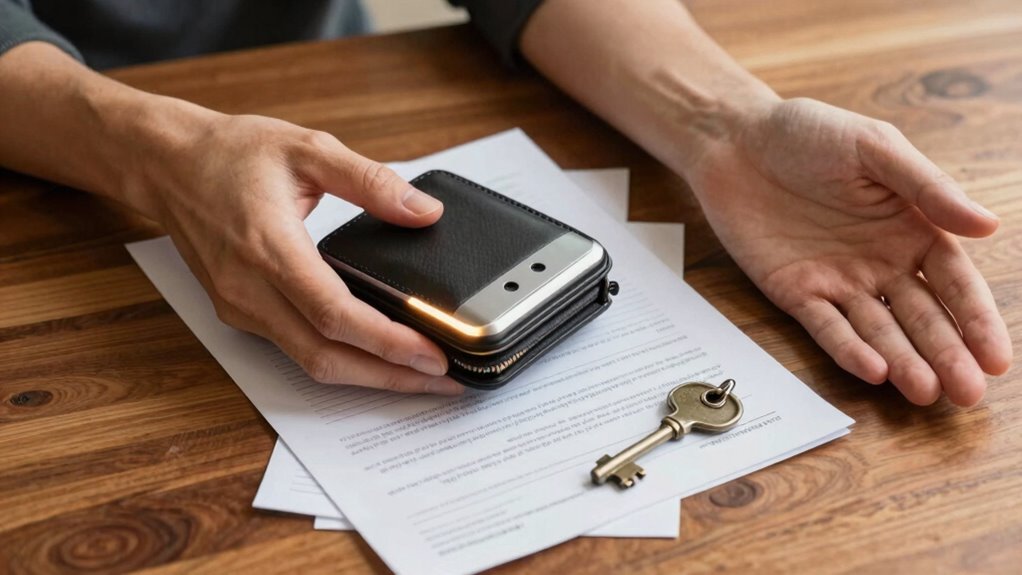

To choose between custodial convenience and self-custody control, consider how comfortable you are managing security yourself. Custodial options like exchanges offer quick access but rely on third parties, which can pose risks. Self-custody gives you full control but demands responsibility for safeguarding private keys and managing security. Think about your willingness to handle technical details and security best practices. If you want a clearer path to making this decision, you’ll find helpful insights ahead.

Get business pricing on tech for your team
- Business-only prices and quantity discounts
- Tax-exempt purchasing
- Multiple users, one account, clear invoices
Key Takeaways
- Assess your comfort level with managing private keys and security responsibilities.
- Consider the importance of quick access versus full control over your assets.
- Weigh the trustworthiness and security track record of custodial providers.
- Evaluate your ability to implement security best practices like hardware wallets and backups.
- Decide based on your risk tolerance and preference for convenience or personal control.
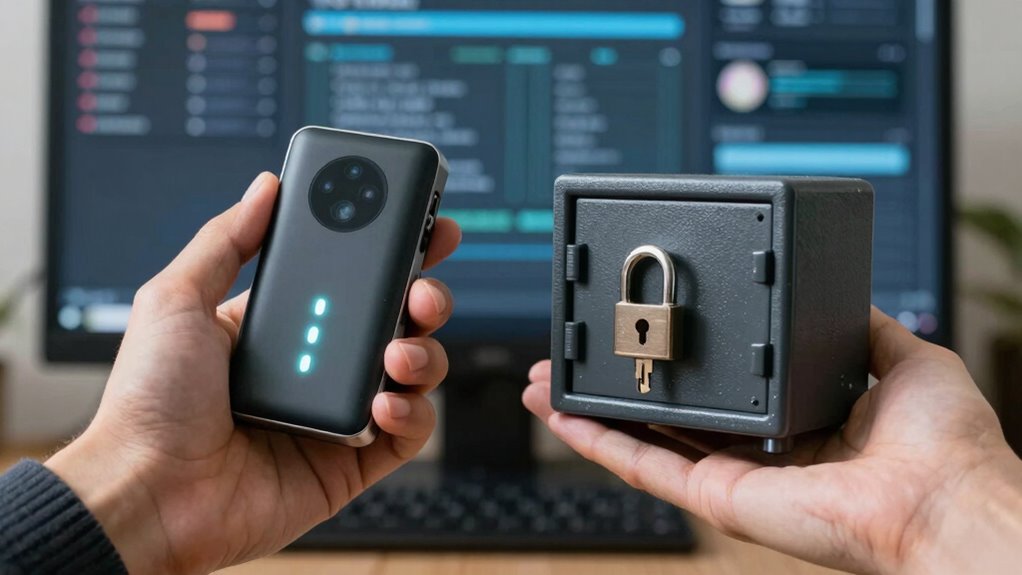
Have you ever wondered whether to prioritize ease of access or full control over your digital assets? This dilemma is central when choosing between custodial services and self-custody options. Custodial solutions, like exchanges or third-party wallets, offer convenience—quick access and simple management. But they come with security risks because you’re trusting someone else to keep your assets safe. If that third party experiences a breach or mismanages funds, you could lose your assets. On the other hand, self-custody puts you in complete control, which means you’re responsible for safeguarding your private keys and ensuring your assets aren’t vulnerable. This user responsibility can be intimidating, especially if you’re new to managing digital wallets, but it also minimizes third-party risks. Educating yourself about security best practices can help you better understand how to evaluate custodial providers and protect your assets.
Choosing between ease of access and full control depends on your comfort with managing security and trust.
Switching to self-custody means you hold your private keys—your digital “passwords” to access your assets. This gives you full control, but it also makes you solely responsible for protecting those keys. If you lose your private key, there’s no way to recover your assets. If someone gains access to your keys, they can drain your wallet. This level of user responsibility requires diligence, like employing strong passwords, using hardware wallets, and keeping backups secure. While it’s more secure from external threats because you eliminate third-party vulnerabilities, it demands more active management and understanding of security best practices. Recognizing the importance of secure key management is essential for anyone choosing self-custody, as it directly impacts your ability to retain access and control over your assets. Developing a thorough understanding of wallet types and their security features can help you select the most suitable option for your needs and ensure your assets remain protected.
As an affiliate, we earn on qualifying purchases.
Frequently Asked Questions
What Are the Main Security Risks of Self-Custody?
Self-custody exposes you to security risks like losing access due to lost private keys or hardware failures. Without proper risk mitigation, hackers might target your wallet if you neglect security protocols. You need to stay vigilant, regularly update your security measures, and use strong, unique passwords. Implementing multi-signature wallets and cold storage can considerably reduce risks, ensuring your assets remain protected even if you face technical or cyber threats.
How Does Regulatory Compliance Differ Between Custodial and Self-Custody?
Think of regulatory compliance as a map—you need to follow its paths carefully. Custodial providers often handle regulatory frameworks for you, easing compliance challenges. In contrast, self-custody puts the onus on you to navigate rules, which can be complex and vary by jurisdiction. This means you must stay updated on regulations, maintain proper records, and guarantee adherence to legal standards, or risk penalties and legal issues.
Can I Switch Between Custodial and Self-Custody Easily?
You can switch between custodial and self-custody easily, but consider the custody flexibility and security trade-offs. Moving your assets from a custodial to a self-custody setup requires transferring your holdings, which might involve some effort and time. Likewise, returning to custodial custody is straightforward. Keep in mind, self-custody offers more control but less convenience, while custodial options provide ease but involve trusting a third party.
What Are the Cost Implications of Each Option?
Choosing custodial convenience usually means lower upfront costs since storage options are managed by the provider, but you’ll pay ongoing fees. Self-custody involves higher initial costs for secure storage solutions and your user responsibility to maintain security, which can be costly if mishandled. Consider your budget and comfort with managing security risks. Ultimately, self-custody might save money long-term, but custodial options offer predictable expenses and less hassle.
How Do I Assess My Technical Expertise for Self-Custody?
You assess your technical expertise for self-custody by evaluating your understanding of hardware security and user authentication. If you’re comfortable setting up and managing hardware wallets, enabling multi-factor authentication, and securing private keys, you likely have the skills needed. If not, consider learning more about hardware security measures and testing your ability to implement secure user authentication methods before taking full control of your assets.
Conclusion
Ultimately, your choice boils down to understanding what matters most: convenience or control. If ease and quick access are your priorities, custodial services offer simplicity and support. But if security and sovereignty are your goals, self-custody gives you full ownership and responsibility. Remember, it’s about aligning your decision with your comfort level, your knowledge, and your future plans. Because whether you choose convenience or control, making an informed decision empowers you to manage your assets confidently and securely.
Halloween Picks
halloween
As an affiliate, we earn on qualifying purchases.