
TL;DR
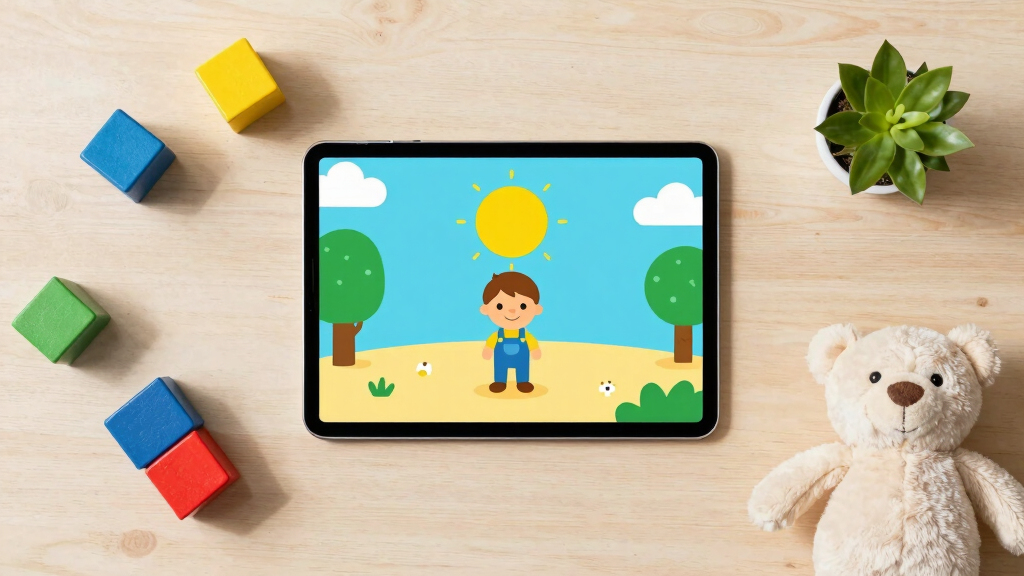
Developers are creating a real-time AI tutor designed specifically for children aged 4-9. The system aims to improve early learning in reading, math, and ESL, with ongoing testing and development.
Developers are building a real-time AI tutor aimed at children aged 4 to 9, designed to teach reading, math, and ESL skills. This project represents a significant step toward personalized, interactive early education tools that adapt to individual student needs.

Get business pricing on tech for your team
- Business-only prices and quantity discounts
- Tax-exempt purchasing
- Multiple users, one account, clear invoices
The AI system is being developed over the past year by a team focused on creating an engaging, responsive tutor for young children. The system aims to provide immediate feedback and tailored instruction, mimicking the interaction of a human teacher. According to the developers, initial testing shows promise in enhancing engagement and learning outcomes.
While the project is still in development, the team reports that the AI can recognize and respond to children’s speech, adjust difficulty levels in real time, and provide encouraging feedback. The system is being tested with small groups of children, with plans for broader trials later in 2024.
Potential Impact on Early Childhood Education
This development could transform early childhood education by providing accessible, personalized tutoring for children who may lack consistent access to quality teachers. It also raises questions about the role of AI in formative learning and how it might complement or supplement traditional teaching methods.
Products Worth Considering

Samsung Galaxy Tab A11+ 11-Inch Tablet, 6GB RAM, 128GB Storage, Expandable Storage, Gray

Sonos Play Portable Wi-Fi and Bluetooth Speaker, Black

Apple MacBook Air 13-inch Laptop with M5 Chip, 32GB Memory, 1TB SSD, Silver
As an affiliate, we earn on qualifying purchases.
Advances in AI for Education and Early Learning Tools
Over recent years, AI has increasingly been integrated into educational tools, but creating systems capable of real-time, natural interactions with young children remains challenging. Previous efforts have focused on static content or limited interactions, but this project aims to push boundaries by enabling dynamic, responsive teaching tailored to each child’s pace and style.
The initiative builds on broader trends toward personalized learning and the use of AI to support early childhood development, an area receiving growing attention from educators and technologists alike.
“Our goal is to create an AI that can genuinely engage with children, understand their responses, and adapt instantly to support their learning journey.”
— Lead developer of the project
Unanswered Questions About AI Effectiveness and Safety
It is not yet clear how effective the AI tutor will be at improving learning outcomes across diverse populations or how it will handle complex emotional and behavioral cues. The long-term impact on child development and the potential for over-reliance on AI are still being studied.
Additionally, questions remain about data privacy, safety protocols, and how the system will be regulated as it moves toward wider deployment.
Next Steps in Testing and Deployment
The development team plans to conduct larger-scale trials with more diverse groups of children in mid-2024. They aim to refine the AI’s responsiveness, safety features, and educational effectiveness based on ongoing feedback. A public rollout or pilot program could occur later in the year, depending on trial outcomes.
Key Questions
How does the AI tutor interact with children in real time?
The AI uses speech recognition and natural language processing to understand children’s responses and adjust its teaching accordingly, providing immediate feedback and encouragement.
What subjects will the AI tutor cover?
The system is designed to teach reading, math, and ESL (English as a Second Language), with potential expansion to other early learning areas.
Are there concerns about privacy or safety?
Yes, data privacy and safety are key considerations. Developers are working on protocols to protect children’s information and ensure safe interactions, but these are still being finalized.
When might this AI tutor be available for widespread use?
Widespread deployment depends on the results of upcoming trials and regulatory approvals. A pilot program could be launched later in 2024, with broader availability possibly in 2025.
Could this AI replace human teachers?
Currently, the goal is to supplement traditional teaching, not replace teachers. The AI aims to support personalized learning, especially where access to quality instruction is limited.
Source: hn