
Did you know that nearly 60% of luxury goods bought online are counterfeit? When considering tokenized luxury items, it’s vital to verify their authenticity before making a payment. By understanding how blockchain technology works for these products, you can protect yourself from fakes and guarantee your investment is legitimate. Curious about the specific steps to confirm a tokenized item’s provenance and ownership? Keep going to learn how to do it confidently.

Get business pricing on tech for your team
- Business-only prices and quantity discounts
- Tax-exempt purchasing
- Multiple users, one account, clear invoices
Key Takeaways
- Scan embedded QR codes or NFC chips to access blockchain records confirming provenance and ownership details.
- Verify the digital token’s authenticity on the blockchain to ensure proper linkage to the physical item.
- Check the complete ownership and transaction history stored on the blockchain for consistency and legitimacy.
- Confirm the presence of tamper-proof digital certificates or smart contracts validating the product’s authenticity.
- Use authorized verification platforms or brand-specific apps to cross-check blockchain data before completing the purchase.
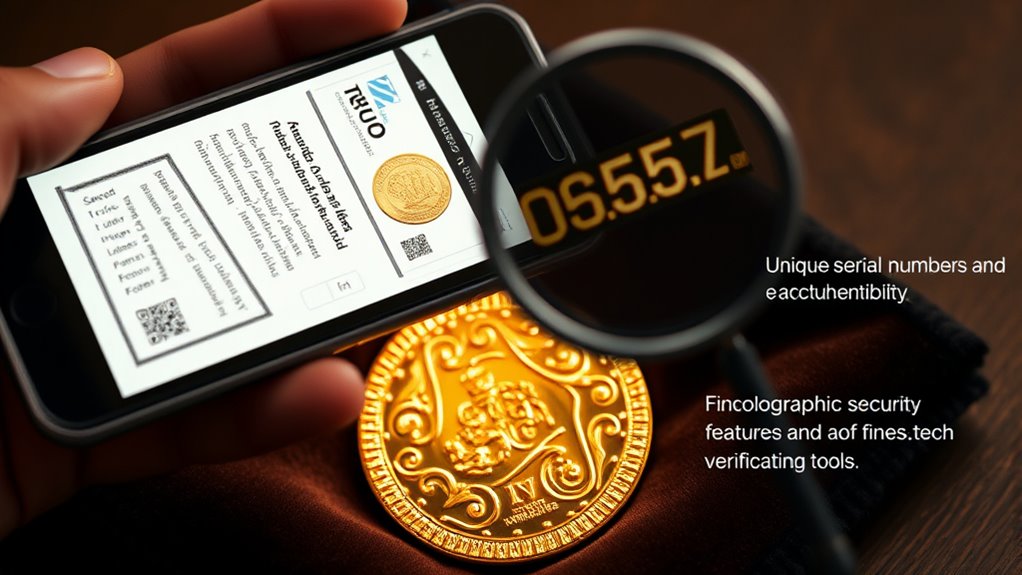
In today’s luxury market, verifying authenticity is more vital than ever, especially as brands adopt blockchain and tokenization to combat counterfeiting. When you’re considering purchasing a tokenized luxury item, your first step is to access its digital identity on the blockchain. This digital passport contains all the essential details—manufacturing info, ownership history, and provenance data—secured in an immutable, transparent ledger. Because the data on blockchain can’t be altered or deleted, you can trust that the product’s history is accurate and untainted by counterfeit attempts. Many leading brands like Louis Vuitton, Gucci, and Chanel now use blockchain to ensure traceability and authenticity, so verifying this information directly from the blockchain adds a layer of security to your purchase.
Verifying blockchain-based digital identities ensures authenticity and security in luxury purchases.
Next, check if the physical product is embedded with authentication technologies such as QR codes or NFC chips. These embedded tools are linked directly to the blockchain record. When you scan the QR code or tap the NFC chip with your smartphone, you gain instant access to the product’s verified provenance, including craftsmanship details, materials used, inspection records, and warranty information. This real-time verification method is a modern upgrade over traditional security features like holograms, which can be counterfeited. Embedded tech combined with blockchain records makes it straightforward for you to confirm whether the item is genuine, right at the point of sale or resale. Blockchain technology also enables instant verification, reducing the time needed to authenticate an item compared to traditional methods. Additionally, understanding the cryptographic security mechanisms behind these tokens can further assure you of their legitimacy.
Tokenization plays a vital role in this process by representing physical goods as unique digital tokens on the blockchain. Each token is cryptographically linked to its physical counterpart, serving as a secure certificate of authenticity. When you’re evaluating a product, verify that the token is legitimate and properly linked to the physical item. This connection reduces fraud risks because the digital token records every ownership transfer, resale, or fractional ownership event permanently on the blockchain. If you’re buying secondhand, this transparent ownership trail helps you confirm that the item hasn’t been stolen or counterfeit.
Smart contracts further strengthen the verification process by automatically enforcing the rules for ownership transfers and transactions. They ensure only authorized parties can update records, preventing unauthorized changes or fraud during resale or transfer. You can look for confirmation that smart contracts are in place, which guarantees the transaction will be secure and transparent.
Finally, review the complete ownership history stored on the blockchain. Every transfer, repair, or resale is permanently recorded, creating a full provenance trail. This transparency gives you confidence that the item’s documented history is accurate and trustworthy. When you verify these details, you’re not just trusting a seller—you’re confirming the authenticity through a secure, tamper-proof blockchain system, making your purchase safer and more reliable.
luxury goods blockchain verification
As an affiliate, we earn on qualifying purchases.
As an affiliate, we earn on qualifying purchases.
Conclusion
By following these steps, you can confidently verify the authenticity of tokenized luxury goods before paying. Scanning the QR code or tapping the NFC chip reveals the blockchain record, confirming the item’s legitimacy and provenance. This process acts like a digital fingerprint, ensuring you’re dealing with a genuine product. With blockchain verification, you’re not just trusting a label, but the secure, tamper-proof history—making counterfeits a thing of the past.
Fall Picks
fall essentials
As an affiliate, we earn on qualifying purchases.