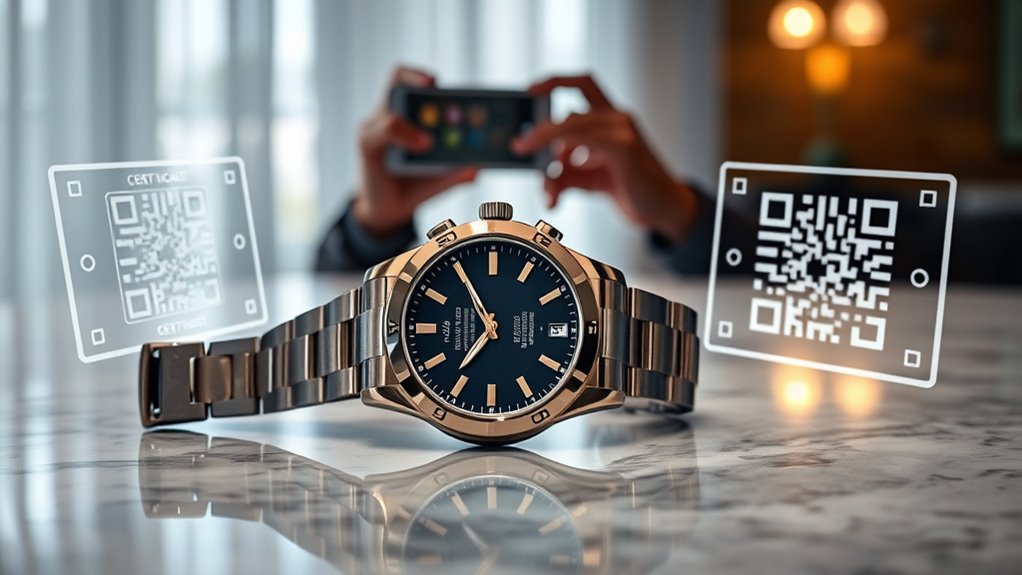

Authentication on the blockchain transforms how you verify luxury goods. This technology guarantees reliable, tamper-proof records of a product’s history, confirming its legitimacy. You can trace each item from its origin to your hands, making counterfeiting nearly impossible. With transparent verification, brands can build trust with you, empowering your consumption choices. Plus, this system promotes ethical sourcing, reinforcing responsible buying. To discover more about the benefits of blockchain in luxury goods, keep exploring.
Key Takeaways
- Blockchain technology provides a decentralized ledger that verifies the authenticity of luxury goods through transparent and tamper-proof records.
- Each luxury product’s history, from origin to consumer, is embedded in the blockchain, ensuring traceability and legitimacy.
- Instant authenticity checks through blockchain eliminate reliance on seller claims and physical certificates, enhancing consumer confidence.
- Brands can create accessible platforms for verification, promoting trust and reducing the prevalence of counterfeit goods in the market.
- Robust security measures in blockchain systems protect transaction integrity and sensitive data, supporting sustainable trust in digital authentication.

How can blockchain technology revolutionize authentication? By leveraging its decentralized nature, blockchain offers a reliable way to confirm the legitimacy of luxury goods. Imagine the peace of mind you’d feel knowing that every item you purchase has a verified history. With digital verification processes embedded into the blockchain, you can trace the journey of a product from its origin to your hands, ensuring it’s not just a high-priced imitation.
Blockchain technology offers a groundbreaking solution for authenticating luxury goods, ensuring every purchase has a verified and traceable history.
When you think about the luxury market, the prevalence of counterfeit goods can be alarming. The demand for authenticity is high, and blockchain technology steps in as a game-changer. Through this decentralized ledger, every transaction is recorded transparently and securely, allowing you to verify a product’s authenticity instantly. This means that rather than relying on a seller’s word or a certificate, you can check the blockchain for proof of authenticity. It provides an extra layer of trust that traditional methods simply can’t match.
Supply chain transparency is another crucial aspect of blockchain. It allows you to follow a product’s journey through every stage of production and distribution. For instance, if you’re purchasing a luxury handbag, you can see where the materials were sourced, who crafted it, and how it reached the retailer. This level of detail not only reassures you about the product’s authenticity but also aligns with ethical consumption practices. Knowing that a product is sourced responsibly adds substantial value to your purchase.
Moreover, the use of digital verification isn’t limited to just the final consumer. It also empowers brands to build trust with their customers. When luxury brands adopt blockchain technology, they can provide their clients with an accessible platform to verify the authenticity of their products. This transparency helps brands maintain their reputation and reduces the chances of counterfeit goods entering the market. Additionally, the implementation of robust safety measures in blockchain systems is crucial to safeguard against potential vulnerabilities and maintain consumer confidence.

Amazon Echo Hub, 8” smart home control panel, Designed for Alexa+, Compatible with thousands of devices
Echo Hub — An easy-to-use Alexa-enabled control panel for your smart home devices—just ask Alexa or tap the...
As an affiliate, we earn on qualifying purchases.
Frequently Asked Questions
How Does Blockchain Technology Differ From Traditional Authentication Methods?
Blockchain technology differs from traditional authentication methods by using digital signatures and immutable records. While traditional methods often rely on centralized databases that can be altered, blockchain creates a decentralized ledger where each transaction is permanently recorded. This means once you verify an item, it’s nearly impossible to tamper with that information. You get a transparent, secure way to authenticate items, providing more trust compared to conventional systems that can easily be compromised.
Can Blockchain Prevent Counterfeit Luxury Goods Entirely?
Blockchain can’t completely conquer counterfeit luxury goods, but it can substantially strengthen the struggle. By securing digital identities and enhancing supply chain transparency, you create a clearer path for tracking products. Each step in the supply chain can be verified, reducing the risk of replicas. While it’s not foolproof, implementing blockchain technology provides a powerful protection plan against fakes, fostering trust and authenticity in the luxury market.
What Are the Costs Associated With Blockchain Authentication?
When you consider blockchain authentication, you’ll need to factor in several costs. First, there’s the cost analysis for integrating blockchain technology into your existing systems. Implementation expenses can include software development, hardware upgrades, and ongoing maintenance. Additionally, training staff to effectively use the new system adds to the budget. While these upfront costs may seem high, they can ultimately save you money by reducing counterfeit losses and enhancing brand trust.
How Do Consumers Verify the Authenticity of Goods on the Blockchain?
You just need to whip out your smartphone and check those digital certificates like a modern-day treasure hunter. Instead of searching for gold doubloons, you’re verifying luxury goods on the blockchain. With supply chain transparency, you can trace the journey of your item from factory to your hands. It’s like a reality show, but instead of drama, you get proof that your designer handbag isn’t a glorified knockoff! Enjoy the adventure!
Are There Any Downsides to Using Blockchain for Authentication?
Yes, there are downsides to using blockchain for authentication. You might face a digital divide, where not everyone has access to the technology needed to verify goods. Additionally, the environmental impact of blockchain, particularly energy-intensive processes like mining, can’t be ignored. These issues could hinder widespread adoption and undermine the benefits of blockchain in ensuring authenticity. It is crucial to weigh these factors before fully embracing blockchain solutions.
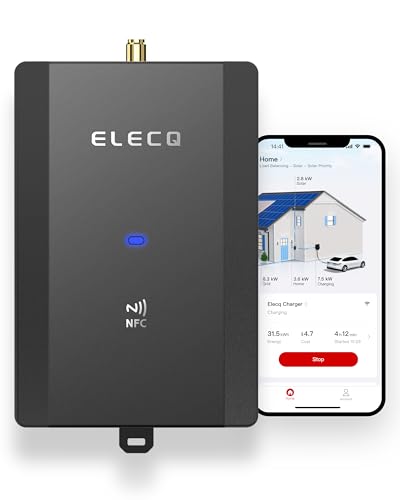
ELECQ Power Monitor, Smart Energy Management for Home EV Charging, Active Load Management & Solar Charging Mode to Save on Costly Electrical Upgrades, Wi-Sun Connectivity (Compatible EVSE)
【Active Load Management】 Household distribution panels often have limited capacity, and running multiple appliances while using your EV...
As an affiliate, we earn on qualifying purchases.
Conclusion
So, the next time you’re tempted to buy that “authentic” designer handbag from a suspiciously shady website, remember: just because it looks good and has a fancy logo doesn’t mean it’s the real deal. Thanks to blockchain, you can now authenticate your luxury goods—because nothing says “I’m rich” like proving you didn’t get scammed. Who needs actual style when you’ve got a digital certificate? Happy shopping, and may your blockchain be ever in your favor!

SIEMENS Inhab Smart Home Energy Monitor with 16-50Amp Circuit Level Sensors and 2-200Amp Main Sensors for Real Time Electricity Monitoring and Metering
ENERGY MONITOR WITH MOBILE APP (USA and Canada ONLY) – Track current and historical home energy usage 24/7...
As an affiliate, we earn on qualifying purchases.

Emporia Vue 3 Home Energy Monitor - Smart Home Automation Module and Real Time Electricity Usage Monitor, Power Consumption Meter, Solar and Net Metering for UL Certified Safe Energy Monitoring
SAFETY YOU CAN TRUST WITH UL CERTIFICATION: With Emporia Energy, your home energy monitoring is safe, reliable, and...
As an affiliate, we earn on qualifying purchases.