To protect sensitive backup items without turning your home into a vault, use strong encryption for digital files and store them in secure, discreet locations. Keep physical backups, like external drives, in safes or lockboxes that are fireproof and waterproof, and avoid obvious labels. Diversify your storage sites—spread backups across different locations—and implement layered security strategies. This approach keeps your data safe while maintaining access and normalcy at home. Learn more about making these methods easy to apply.

Get business pricing on tech for your team
- Business-only prices and quantity discounts
- Tax-exempt purchasing
- Multiple users, one account, clear invoices
Key Takeaways
- Use strong encryption on digital backups and store them in secure, hidden physical locations.
- Keep physical backups in fireproof, waterproof safes that are discreetly placed and not labeled plainly.
- Diversify storage sites by combining cloud encryption with physically stored drives in different locations.
- Implement layered security measures, such as locks, alarms, and access controls, to protect backup storage areas.
- Regularly review and update security protocols to adapt to new threats and maintain optimal protection.
Storing sensitive backup items securely is crucial to protect your valuable data and prevent unauthorized access. You don’t need to turn your home into a fortress, but a thoughtful approach to security can go a long way. Start by understanding that digital encryption is your first line of defense. When backing up digital files, always use strong encryption methods to scramble your data, making it unintelligible to anyone without the correct password or decryption key. Many cloud services offer built-in encryption options, but for added security, consider encrypting files manually before uploading or storing them on external drives. This way, even if someone gains access to your backup storage, they can’t read your data without the key.
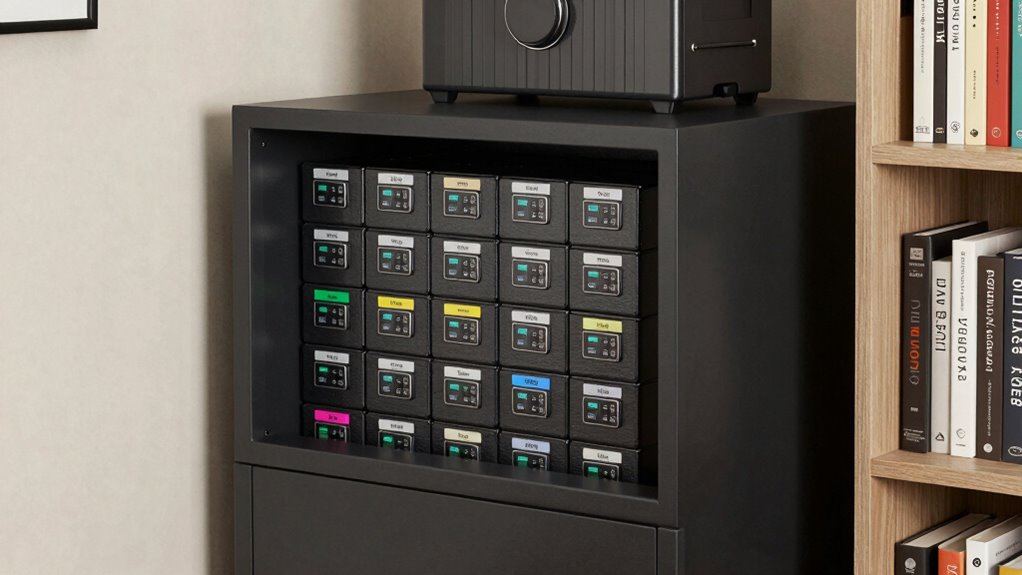
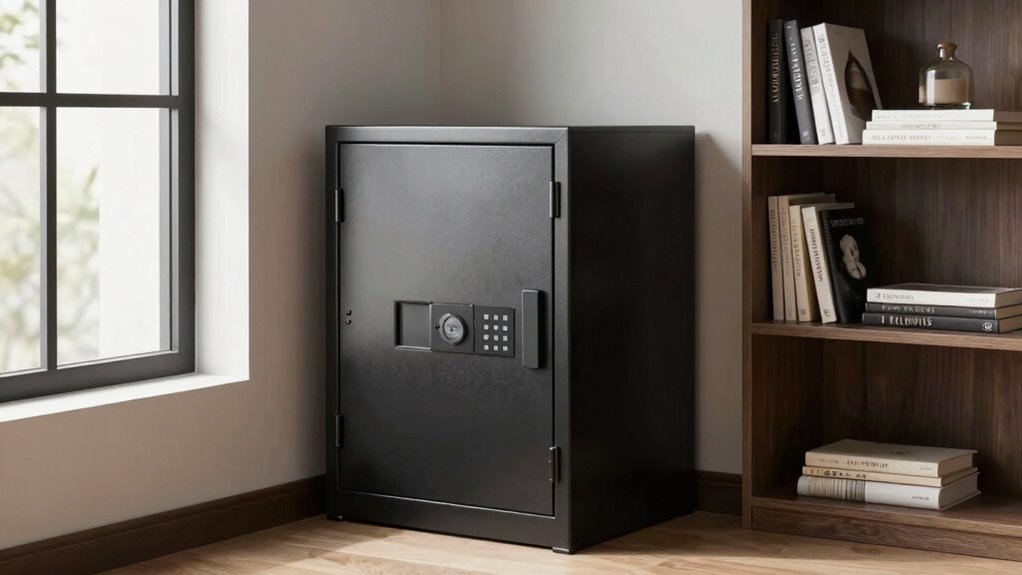
Physical security plays a critical role in safeguarding tangible backup items, like external drives, USB sticks, or printed documents. Keep these items in a secure location, such as a locked drawer, a safe, or a lockbox designed for sensitive items. Choose a discreet spot that isn’t obvious or easily accessible to visitors or potential intruders. If you use a safe, ensure it’s fireproof and waterproof to protect against environmental damage as well. Avoid leaving backup items in obvious places like your desk or bedside table, and don’t label storage containers plainly as “sensitive backup” — instead, opt for generic labels that don’t hint at their contents. Incorporating cloud security strategies into your overall plan can enhance protection further and ensure your data remains safe across multiple layers. Additionally, understanding the industry best practices for data protection can help you make more informed security decisions. Employing layered security techniques can significantly increase the difficulty for anyone attempting to access your backups unlawfully. Implementing regular security audits can also help identify potential vulnerabilities in your backup setup before they become a problem.
Finally, diversify your backup locations. Don’t rely solely on one physical or digital site. Use a combination of encrypted cloud storage and securely stored external drives in different locations. This approach minimizes the risk of losing everything if one site is compromised or damaged. Remember, the goal isn’t to create an impenetrable vault but to implement layered security that makes unauthorized access difficult, discourages potential intruders, and ensures your sensitive backup items remain protected without turning your home into a fortress.
fireproof waterproof safe for external drives
As an affiliate, we earn on qualifying purchases.
As an affiliate, we earn on qualifying purchases.
Frequently Asked Questions
How Often Should I Update My Backup Storage Methods?
You should update your backup storage methods at least once a year or whenever you experience significant changes. Regularly review your digital encryption to guarantee your data stays secure, and consider switching to off-site storage options periodically to protect against physical threats. Keeping your backup strategies current helps prevent data loss and maintains security, especially as new threats and technologies emerge.
Are There Legal Considerations for Storing Sensitive Items at Home?
Yes, you need to ensure legal compliance and privacy protection when storing sensitive items at home. Take care to follow laws related to data privacy and confidentiality, especially if you’re handling personal or financial information. Keep your storage secure and discreet, using lockable containers and secure locations. Regularly review legal requirements to prevent violations, and contemplate consulting a legal expert if you’re unsure about specific regulations affecting your storage practices.
What Are the Best Types of Containers for Sensitive Backups?
Did you know that fireproof safes can withstand temperatures up to 1700°F? For sensitive backups, you should choose fireproof safes or containers with hidden compartments. Fireproof safes protect against heat and water damage, ensuring your items stay safe during disasters. Hidden compartments add an extra layer of security, keeping your backups concealed from prying eyes. These containers give you peace of mind, knowing your critical information is both protected and discreet.
How Can I Discreetly Store Backup Items Without Attracting Attention?
You can discreetly store backup items by using hidden compartments or disguised storage solutions. Install secret drawers behind furniture or false-bottomed containers in your closet. Think about everyday objects, like hollowed-out books or fake electrical outlets, to hide valuables. These methods keep your backups out of sight, reducing attention and maintaining your home’s appearance. Regularly check these spots to guarantee your backup items remain secure and undisturbed.
What Security Measures Are Recommended for Home Storage Areas?
You should install hidden compartments in your storage area to keep items concealed from plain sight. Use safeguard locks on doors or cabinets to add an extra layer of security, making unauthorized access difficult. Combining these measures guarantees your backup items stay protected while remaining discreet. Regularly check the integrity of hidden compartments and lock mechanisms to maintain security, and avoid obvious storage spots to prevent attracting unwanted attention.
Conclusion
Storing sensitive backup items doesn’t mean turning your home into a vault. Use discreet, secure storage methods like fireproof safes or hidden compartments to keep your valuables safe without attracting attention. Remember, about 60% of thefts happen in homes with obvious valuables in plain sight, so smart hiding spots can make all the difference. With a little planning, you can protect your backups effectively while maintaining a normal, accessible home environment.
Fall Picks
fall essentials
As an affiliate, we earn on qualifying purchases.