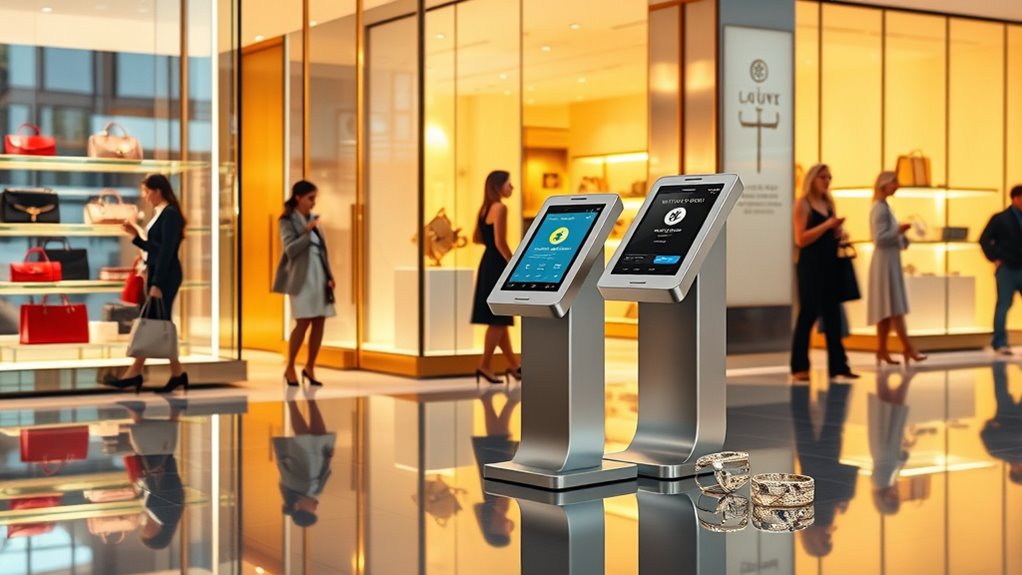

Cryptocurrency is quickly becoming a game-changer in luxury buying. With digital wallets facilitating fast transactions and luxury brands accepting cryptocurrencies, you’ll find shopping more convenient than ever. Blockchain technology guarantees security and authenticity, reducing fraud and enhancing trust. Plus, using crypto can open exclusive experiences. As adoption ramps up, the shift towards digital currencies seems inevitable. Discover how this transformation could redefine your luxury shopping experience and the brands you love.
Key Takeaways
- Cryptocurrency integration in luxury shopping is rapidly increasing, with many brands recognizing its potential for seamless transactions.
- Enhanced security provided by blockchain technology builds trust and reduces fraud in luxury purchases.
- User-friendly digital wallets are making cryptocurrency transactions more accessible and convenient for consumers.
- Exclusive products and services for cryptocurrency users create unique luxury experiences that attract tech-savvy customers.
- The shift towards digital currency in luxury buying is inevitable, driven by convenience and the need for future-proofing brands.

Have you ever wondered how cryptocurrency could revolutionize luxury buying? As the world shifts towards digital transactions, luxury brands are beginning to embrace this innovative currency. Imagine walking into a high-end boutique and purchasing that stunning designer handbag or exquisite piece of jewelry using your digital wallet. It’s not as far-fetched as it may seem. With the growing acceptance of cryptocurrencies, the landscape of luxury buying is set for a significant transformation.
One of the most appealing aspects of using cryptocurrency for luxury purchases is the enhanced security it offers. Thanks to blockchain technology, each transaction is recorded on a decentralized ledger, which makes it nearly impossible to counterfeit or manipulate. This level of blockchain security provides both buyers and sellers with peace of mind. As a buyer, you won’t have to worry about fraud or chargebacks, allowing you to shop with confidence. And for luxury brands, this technology helps ensure that the authenticity of their products is preserved, protecting their reputation and customer trust.
The enhanced security of blockchain technology builds trust, allowing buyers to shop confidently and luxury brands to protect their authenticity.
Furthermore, digital wallets are becoming increasingly user-friendly. You might already have one on your smartphone, allowing for quick and easy transactions. Instead of fumbling for cash or cards, you can simply scan your phone and complete your purchase in seconds. The convenience of digital wallets makes luxury buying more accessible, especially for tech-savvy consumers who appreciate streamlined processes. Plus, many luxury brands are now developing their own apps that integrate cryptocurrency payments, making it even easier to buy your favorite items.
The potential for cryptocurrency in luxury buying extends beyond just the transaction itself. It can also facilitate unique experiences. For example, some luxury brands are offering exclusive items or services only available to customers who pay with cryptocurrency. This not only enhances the appeal of using digital currency but also fosters a sense of community among crypto enthusiasts who are passionate about luxury goods.
As you think about the future of luxury buying, it’s clear that cryptocurrency is poised to play a pivotal role. With its promise of security through blockchain technology and the convenience of digital wallets, it’s an enticing option for both consumers and brands. The question isn’t whether cryptocurrency will become the norm for luxury buying, but rather how quickly it will transform the way you indulge in your favorite high-end products. So, are you ready to embrace this new era of luxury?
Frequently Asked Questions
What Are the Tax Implications of Using Cryptocurrency for Luxury Purchases?
When you use cryptocurrency for luxury purchases, you’ll need to consider tax implications, particularly tax reporting and capital gains. If your crypto’s value has increased since you acquired it, you’ll likely face capital gains tax on the profit when you make a purchase. It’s essential to keep accurate records of your transactions, as you’ll need them for tax reporting. Ignoring these aspects could lead to unexpected tax liabilities down the road.
How Can I Ensure My Cryptocurrency Transactions Are Secure?
To guarantee your cryptocurrency transactions are secure, prioritize cryptocurrency security practices. Use a reputable digital wallet with strong encryption and two-factor authentication. Regularly update your wallet software to protect against vulnerabilities. Be cautious of phishing scams; never share your private keys. Monitor your transactions and account activity frequently. Finally, consider using hardware wallets for added security when storing larger amounts of cryptocurrency. This combination will help keep your assets safe.
Are There Any Luxury Brands Currently Accepting Cryptocurrency?
Yes, several luxury brands are currently accepting cryptocurrency, showcasing growing cryptocurrency adoption. Brands like Gucci and Prada have implemented policies that allow customers to pay with digital currencies. This move reflects a shift in luxury brand policies, aiming to attract tech-savvy consumers. As you explore options, keep an eye on how these brands evolve their payment systems, as more may join the trend in the near future.
What Cryptocurrencies Are Most Commonly Used for Luxury Buying?
When it comes to luxury buying, Bitcoin and Ethereum reign supreme like the kings of the digital domain. These cryptocurrencies are at the forefront of cryptocurrency adoption, shaping luxury market trends. You’ll find that brands often accept Bitcoin for its widespread recognition and Ethereum for its smart contract capabilities. As you explore luxury goods, keep an eye on these top players; they’re paving the way for a more exclusive shopping experience.
How Does Cryptocurrency Impact the Resale Value of Luxury Items?
Cryptocurrency impacts the resale value of luxury items by introducing digital asset valuation, which can fluctuate based on market volatility. When you buy a luxury item with cryptocurrency, its value may rise or fall, affecting resale potential. If the market’s strong, you could see significant appreciation. However, if volatility strikes, you might face challenges recouping your investment. It’s essential to stay informed about both the luxury market and cryptocurrency trends for smart buying decisions.
Conclusion
As the luxury market evolves, it’s clear that cryptocurrency is carving out its place. Imagine walking into a high-end boutique, selecting a designer handbag, and effortlessly paying with Bitcoin. This scenario isn’t far-fetched; brands like Gucci are already experimenting with crypto transactions. Embracing digital currencies not only enhances convenience but also attracts a tech-savvy clientele enthusiastic to spend. So, keep your eyes open—luxury buying might soon be defined by your digital wallet!