
Luxury brands often embed their products into entertainment media to boost visibility and shape how audiences see them. Iconic placements, like Rolex in James Bond or Dior in popular series, create aspirational associations and influence consumer perceptions. These strategic moves make products feel more accessible and desirable, leading to increased searches and sales. If you keep exploring, you’ll discover how these placements evolve and impact brand engagement in exciting ways.
Key Takeaways
- Luxury brands like Rolex, Dior, and Louis Vuitton use strategic placement in films and TV to boost visibility and shape consumer perceptions.
- Iconic product placements embed brands into pop culture, creating lasting associations with aspirational lifestyles and success.
- Well-placed luxury items increase brand awareness, with online searches rising up to 300% and influencing consumer purchase decisions.
- Authentic storytelling through entertainment fosters emotional connections, reinforcing brand prestige and relevance in viewers’ lives.
- Future strategies include shoppable content, immersive narratives, and digital collaborations to deepen engagement and maintain brand influence.
The Evolution and Significance of Luxury Product Placement
Luxury product placement has transformed from subtle background appearances into strategic storytelling tools that enhance a brand’s image. Today, iconic brands leverage luxury product placement within the entertainment industry to boost brand visibility and shape consumer perception. Incorporating Cultural Intelligence into placement strategies allows brands to better understand diverse audience preferences and cultural nuances, making their messaging more effective across markets. Iconic brands like Aston Martin and Tiffany & Co. are now embedded into film and TV narratives, creating a seamless connection between luxury and storytelling. This evolution allows brands to go beyond mere exposure, engaging audiences with plot-integrated placements that reinforce sophistication and aspiration. Recent trends include forming media partnerships, such as LVMH’s involvement in entertainment, further deepening luxury brands’ presence in popular media. These strategic placements elevate brand status, making luxury items more desirable through their association with glamour and prestige on screen.
Iconic Examples of High-End Brands on Screen
High-end brands have secured their place on screen through memorable product placements that resonate with audiences. Rolex watches, for example, have become iconic thanks to their frequent appearances in James Bond films, symbolizing sophistication and success.
Similarly, Louis Vuitton’s products gained cultural prominence after being featured in *Stranger Things*, highlighting character affluence and boosting brand exposure among a younger audience.
Dior handbags gained visibility and cultural cachet through *Sex and the City*, demonstrating how product placement can elevate luxury brands.
Chanel’s recurring appearances in *Gossip Girl* helped craft a luxurious, high-end atmosphere associated with the characters.
These examples show how iconic luxury brands leverage product placement to create lasting impressions and embed themselves in popular culture. Product placement effectiveness continues to influence how brands connect with viewers and build cultural relevance.
How Product Placement Shapes Audience Perceptions

Ever wonder how product placement influences what you think about certain brands? When luxury brands are featured in entertainment, they shape your audience perception by associating their iconic products with aspirational lifestyles. Seeing a Rolex watch or Dior handbag on screen creates emotional ties, boosting brand desirability.
Recognizable placements reinforce positive perceptions by linking products to desirable characters and storylines. As awareness of product placement grows, studies show 60% of consumers notice these placements without feeling they’re intrusive, increasing their influence. Additionally, the strategic placement of these products aligns with divorce process requirements, ensuring that the integration feels natural within the storyline.
This subtle yet powerful strategy profoundly impacts your perception of luxury brands, often leading to search spikes of up to 300%. Ultimately, well-placed luxury items in entertainment elevate brand awareness and embed these brands deeply into your mindset.
Strategic Benefits for Luxury Brands in Entertainment
Product placement in entertainment offers brands a powerful way to boost their visibility and influence consumer perceptions. By integrating luxury items into popular media, you can strengthen brand partnerships and enhance brand visibility among targeted audiences.
Consider these key benefits:
- Associating your brand with aspirational lifestyles to reinforce prestige and desirability.
- Reaching specific demographics, like affluent viewers or younger, tech-savvy consumers, through strategic placements.
- Building emotional connections that resonate long after the content ends, fostering positive consumer perception.
- Achieving cost-effective, long-lasting promotion that continuously reinforces your brand’s presence.
Additionally, strategic product placement can enhance brand recall by seamlessly embedding products into content, making them more memorable to viewers. These benefits help luxury brands solidify their position and deepen emotional ties with audiences, making product placement a strategic tool for sustained growth and recognition in entertainment.
The Impact of Placement on Consumer Behavior and Sales
Product placements can considerably influence your purchase intentions by making products more appealing and memorable. When luxury brands are integrated naturally into entertainment, they also boost brand recall, keeping them top of mind. Incorporating high-quality sound effects into scenes enhances the realism and emotional impact of the content, further strengthening the viewer’s connection to the product. This seamless connection often leads to stronger emotional ties and increased sales over time.
Influences Purchase Intentions
Have you ever noticed how a luxury watch or designer handbag featured in your favorite TV show makes you more inclined to ponder purchasing it? Product placement by luxury brands influences your purchase intentions by:
- Boosting brand awareness and making the product more memorable.
- Enhancing perceived desirability and status through entertainment context.
- Creating emotional and symbolic connections that motivate buying decisions.
- Increasing online searches and social media mentions, leading to higher conversions.
When placements are natural and aligned with aspirational lifestyles, they effectively shape consumer behavior and brand engagement. Additionally, visual storytelling in entertainment content amplifies these effects by weaving products seamlessly into narratives that resonate with viewers.
This strategic use of entertainment content compels viewers like you to consider owning similar luxury items, elevating sales and strengthening the brand’s position in the market.
Boosts Brand Recall
When luxury brands strategically place their items within popular entertainment, they do more than just catch your eye—they markedly enhance brand recall. Luxury product placement boosts brand visibility and consumer awareness, making it easier for you to remember the brand long after the scene.
Memorable placements, like Rolex in James Bond films or Dior in *Sex and the City*, create lasting impressions that influence your perception and purchasing decisions. This strategic approach significantly impacts marketing effectiveness by increasing brand recognition and driving demand.
Studies show search spikes of up to 300% after prominent appearances, and brands often see sales rises over 250% due to heightened brand recall. Additionally, the effectiveness of placement is amplified when it is targeted and contextually appropriate, ensuring the product resonates with the audience and enhances overall brand perception. Ultimately, well-placed luxury items in entertainment leave a strong, lasting imprint on your mind, reinforcing the brand’s presence.
Trends and Future Directions in Luxury Film and TV Integration

As luxury brands deepen their involvement in entertainment, the trend is shifting from subtle placements to more prominent, narrative-driven integrations that enhance storytelling. This evolution aims to increase consumer engagement and brand visibility through immersive storytelling. Incorporating product placement into narratives allows brands to seamlessly connect with audiences and create memorable impressions. Future directions include:
- Creating shoppable content within films and series, allowing viewers to purchase high-end fashion items directly.
- Leveraging digital streaming to personalize luxury brand integration, making it more relevant to individual viewers.
- Developing interactive experiences that blend entertainment with consumer participation.
- Investing in dedicated entertainment divisions to co-develop content that highlights their products naturally within stories.
These strategies ensure luxury brand integration becomes more engaging and effective, capitalizing on the growing influence of digital streaming and immersive narratives.
Leveraging Pop Culture for Brand Storytelling and Engagement
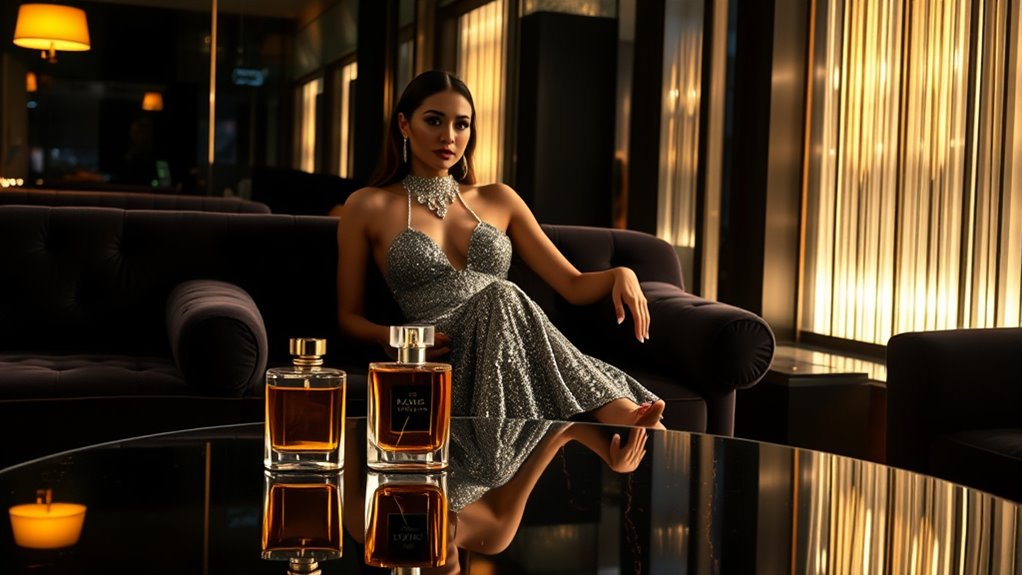
How can brands harness the power of pop culture to enhance storytelling and boost engagement? Product placement in entertainment offers a compelling way for luxury brands to weave their narratives into popular media.
Iconic appearances—like Dior in *Sex and the City* or Rolex in James Bond films—strengthen brand identity and create aspirational associations. When your products appear naturally within storylines, they communicate sophistication and status without overt advertising.
This strategic integration can trigger search spikes of up to 300%, markedly elevating brand engagement and recognition. By leveraging pop culture references and character associations, you can craft authentic stories that resonate with your target audience, deepening emotional connections and enhancing overall brand perception.
Additionally, aligning product placement with home environment enhancements can make luxury items feel more accessible and relevant to consumers’ everyday lives. This approach makes your luxury items memorable and relevant in consumers’ minds.
Frequently Asked Questions
What Is Product Placement in Entertainment?
You’re asking about product placement in entertainment. It’s when brands or products are intentionally integrated into movies, TV shows, or videos to promote them.
You might see a character using a specific phone or driving a luxury car, subtly highlighting the product. This strategy helps increase brand visibility and recall, making viewers more likely to remember and desire those items.
It’s a clever way to blend advertising with storytelling.
How Do You Position a Luxury Product?
Imagine the perfect moment to showcase your luxury product—now, how do you position it? You place it in scenes that scream exclusivity, like upscale settings or elegant characters.
Focus on its unique features with close-ups, and sync it with pivotal story moments.
Align it with influential personalities to boost desirability. This strategic placement creates a powerful association with success, making viewers crave what they see.
Does Netflix Use Product Placement?
You might wonder if Netflix uses product placement. The answer is yes; Netflix incorporates luxury items into its shows subtly to boost brand visibility and add realism.
While specifics aren’t always public, industry reports reveal that designer clothing, accessories, and other premium products appear naturally in many series. This flexible storytelling approach allows luxury brands to reach a global audience seamlessly, making product placement a strategic part of Netflix’s content.
What Is the Difference Between Branded Entertainment and Product Placement?
You might think all brand exposure is the same, but branded entertainment and product placement differ.
With product placement, you see specific luxury items subtly woven into scenes, aiming for quick recognition.
Branded entertainment, however, builds a story around the brand’s identity, creating a lasting emotional connection.
You’ll notice the difference in purpose: one seeks immediate attention, while the other fosters long-term engagement.
Conclusion
By immersing luxury brands into your favorite movies and shows, you’re not just seeing products—you’re witnessing the future of obsession. These placements turn ordinary viewers into loyal brand warriors, craving high-end items as if they hold the secrets of the universe. As entertainment and luxury collide, you might find yourself convinced that owning that designer watch or exotic car isn’t just a want—it’s a life-changing necessity. Get ready, because this fusion is rewriting the rules of desire itself.