The University of Austin's launch of a $5 million Bitcoin fund is a significant development in the intersection of cryptocurrency and education. This initiative signals a shift in how academic institutions view digital assets and their role in finance. As more universities explore similar paths, you might wonder what this means for future finance professionals and the broader implications for the industry. Stay tuned, as this conversation is just beginning.
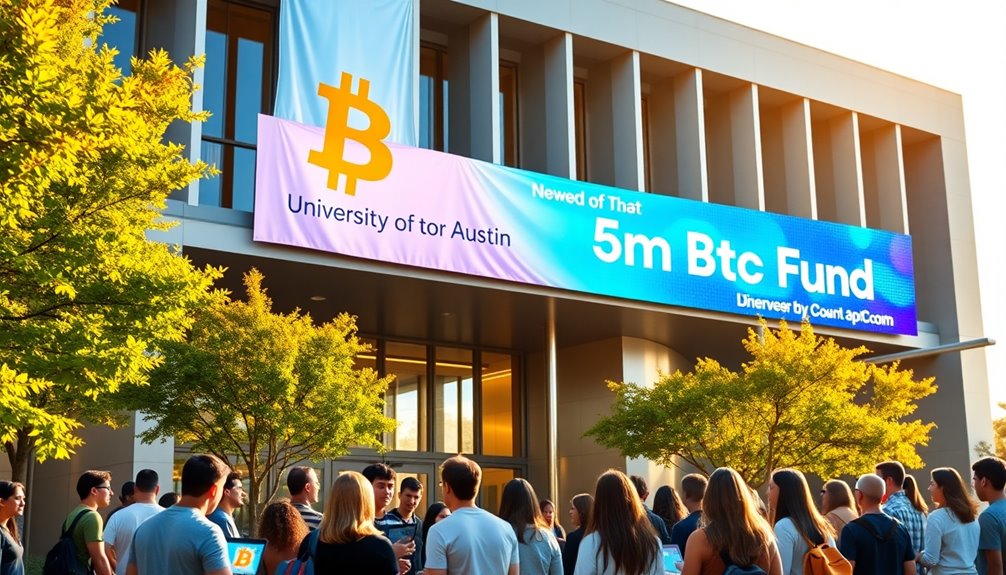
As the University of Austin takes a bold step into the world of cryptocurrency, it's launching a $5 million Bitcoin fund as part of its broader $200 million endowment. This initiative marks a significant move toward institutional adoption of Bitcoin, showcasing the university's belief in its long-term value akin to stocks or real estate. By holding Bitcoin for a minimum of five years, the university positions itself to leverage the potential growth of this digital asset while navigating the evolving regulatory landscape.
In collaboration with Unchained, a Bitcoin-native financial services company, the university will employ a secure custody vault for the fund. This partnership not only enhances security but also reinforces the commitment to maintaining a safe investment environment. As institutions increasingly adopt Bitcoin despite regulatory uncertainties, the University of Austin's actions may influence market perceptions and potentially lead to a positive impact on Bitcoin's price. This initiative is also significant as it sets a precedent for other institutions to explore alternative financial models.
The fund also aims to integrate Bitcoin into educational frameworks, bridging the gap between academia and the cryptocurrency industry. By hosting joint events, guest lectures, and debates, the university fosters community engagement and builds ties with the Bitcoin ecosystem. These high-profile events will raise awareness and funds, featuring prominent speakers from both UATX and the Bitcoin community, which can inspire potential donors and students alike.
Moreover, the initiative challenges traditional financial and educational paradigms. The university plans to incorporate an innovative curriculum that addresses cutting-edge financial strategies, paving the way for students to engage with transformative technologies. This not only prepares students for future careers in the finance sector but also enhances their understanding of the rapidly evolving digital economy.
With this Bitcoin fund, the University of Austin isn't just making an investment; it's setting a precedent for other institutions. As you consider the implications of this move, you might reflect on how it could shape the future of finance and technology. By embracing Bitcoin, the university is creating opportunities for financial resilience and positioning itself at the forefront of a new era in education and investment.
As the landscape of cryptocurrency continues to evolve, the University of Austin's initiative could very well inspire similar ventures, encouraging a broader acceptance of Bitcoin in the academic arena and beyond. Your engagement in this conversation can help influence how institutions view and integrate cryptocurrencies in the years to come.

The Ultra-Secure Vault: Cryptocurrency Security Logbook: A Daily Journal for Crypto Investors to Log Seed Phrases, Passphrases, and Track Portfolio Performance for Financial Planning
As an affiliate, we earn on qualifying purchases.
As an affiliate, we earn on qualifying purchases.

Bitkey Bitcoin Hardware Wallet – The Most Secure Way to Buy, Store and Manage Bitcoin
BITCOIN EXCLUSIVE: Bitkey is designed from the ground up exclusively for Bitcoin, offering a dedicated hardware wallet solution…
As an affiliate, we earn on qualifying purchases.
As an affiliate, we earn on qualifying purchases.

Mark Twain Forensic Investigations Workbook, Using Science to Solve High Crimes Middle School Books, Critical Thinking for Kids, DNA and Handwriting Analysis Labs, Classroom or Homeschool Curriculum
Students build unmatched deductive-reasoning skills as they become crime-solving stars
As an affiliate, we earn on qualifying purchases.
As an affiliate, we earn on qualifying purchases.
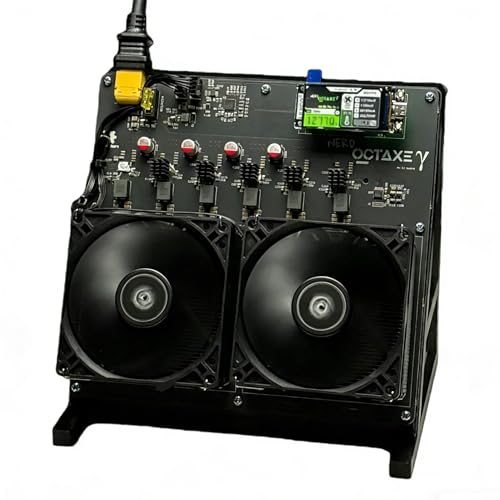
Bitcoin Home Miner Nerdqaxe++12TH/s 240W with Four Fans and Eight BM1370 ASIC Chips Dual-Fan Plug-and-Play 2.4G WiFi and Quiet for Crypto Machine Bitcoin Miner for Beginners
Powerful 12TH/s Performance at 240W:Powered by eight advanced BM1370 ASIC chips, this Bitcoin miner delivers a strong 12TH/s…
As an affiliate, we earn on qualifying purchases.
As an affiliate, we earn on qualifying purchases.