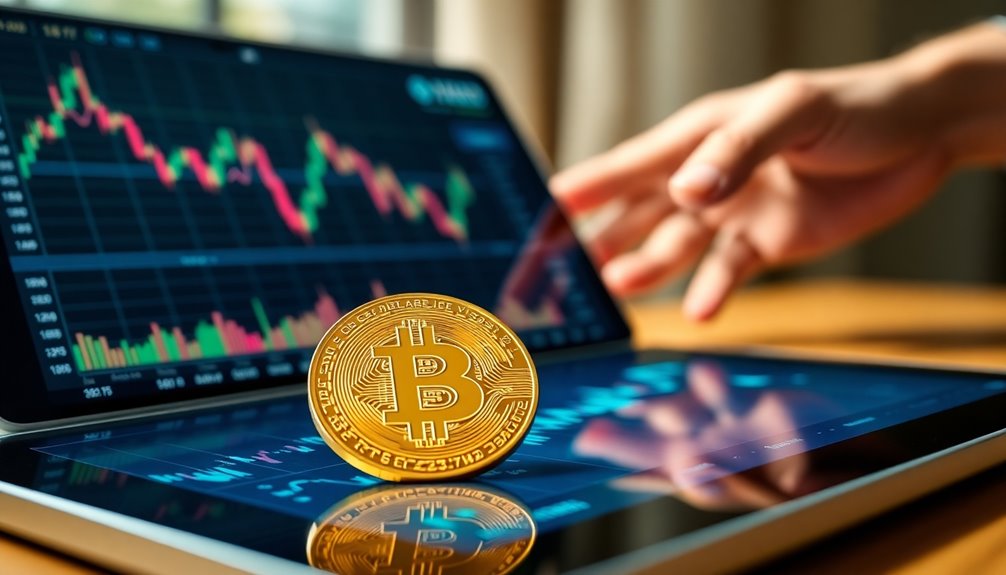

Yes, crypto can be considered real money, as its value has soared, peaking at over $3.5 trillion. You'll find that cryptocurrencies like Bitcoin offer unique benefits, such as lower transaction fees and enhanced privacy. They're decentralized, making them less vulnerable to single points of failure. However, their acceptance is still limited compared to traditional money, and they can be quite volatile. This evolving landscape raises questions about their role as a medium of exchange. If you're curious about the future of cryptocurrencies and their increasing integration with traditional finance, there's much more to explore.
Key Takeaways
- Cryptocurrencies offer decentralized transactions without central authority, contrasting with traditional money that relies on banks and governments.
- While cryptocurrencies have gained popularity, their acceptance as a medium of exchange remains limited compared to widely accepted fiat currencies.
- Price volatility in cryptocurrencies can pose risks, making them less stable than traditional money for everyday transactions.
- The intrinsic value of cryptocurrencies stems from social agreement and demand, lacking physical backing like traditional currencies.
- Innovations like stablecoins aim to provide a more stable alternative, facilitating daily transactions and bridging the gap between crypto and traditional finance.

TANGEM Wallet Pack of 2 – Secure Crypto Wallet – Trusted Cold Storage for Bitcoin, Ethereum, NFT's & More Coins – 100% Offline Hardware Wallet
THE HIGHEST LEVEL OF SECURITY: Tangem Wallet generates the private key that never leaves the card. Your crypto…
As an affiliate, we earn on qualifying purchases.
As an affiliate, we earn on qualifying purchases.
Understanding Cryptocurrency Value
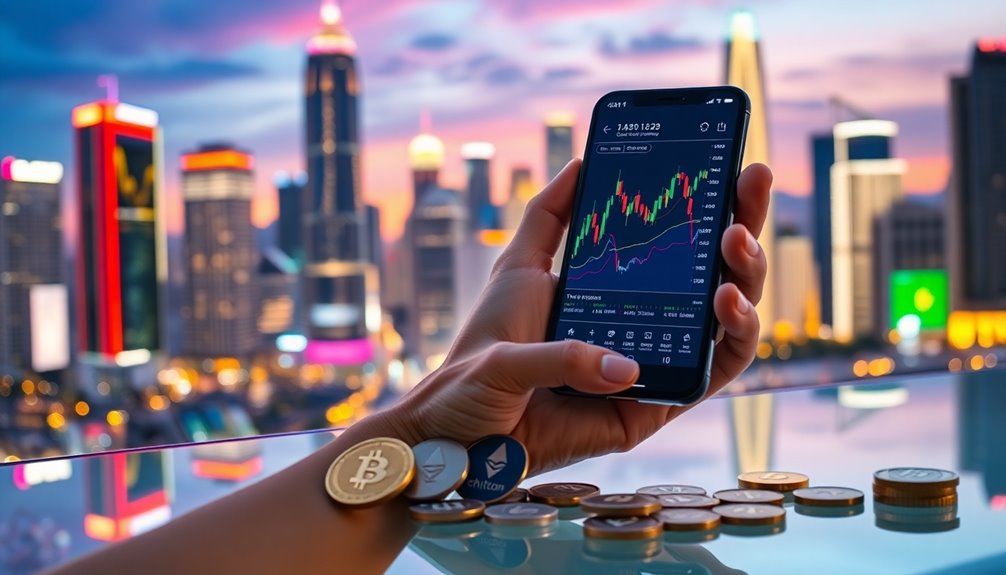
Cryptocurrency value hinges on several key factors that shape its market perception. One major element is scarcity, particularly seen in Bitcoin, which is capped at 21 million coins. This limitation contributes to its reputation as a store of value, similar to gold, that many investors turn to as a hedge against inflation.
Market demand plays a vital role as well; it fluctuates based on investor sentiment, adoption by businesses and consumers, and regulatory developments.
You'll notice that price volatility in cryptocurrencies is extreme. Bitcoin, for instance, has seen its price swing from under $1 to over $75,000 within just ten years. These fluctuations often arise from speculation and broader macroeconomic factors, making it essential to stay informed about market dynamics.
Furthermore, while cryptocurrencies have qualities of traditional money—like divisibility, portability, and durability—their acceptance as a medium of exchange is still evolving. Many vendors are beginning to accept digital assets, but widespread usage remains a work in progress.
The debate around intrinsic value is also significant. Unlike fiat currencies, cryptocurrencies lack physical backing and derive their worth from social agreement about their utility and market demand.
Understanding these factors will help you navigate the complex landscape of cryptocurrency value, allowing you to make informed decisions as you consider your investments or daily transactions in this digital age.

Trezor Model One – The Original Cryptocurrency Hardware Wallet, Bitcoin Security, Store & Manage 1000's of Coins&Tokens, Easy-to-Use Interface, Quick & Simple Setup (Black)
All-in-one hardware wallet for easy crypto security, storage & use
As an affiliate, we earn on qualifying purchases.
As an affiliate, we earn on qualifying purchases.
Comparing Crypto to Traditional Money

As you explore the landscape of cryptocurrency, it's important to compare it with traditional money to understand its unique characteristics. Traditional money, issued and regulated by governments, depends on centralized systems. In contrast, cryptocurrency operates in a decentralized manner, eliminating single points of failure that can affect financial systems. This independence allows cryptocurrencies like Bitcoin to function as both a store of value and a medium of exchange, with a capped supply of 21 million coins versus the unlimited printing of fiat currencies.
While traditional money is widely accepted for transactions, cryptocurrencies are still in the early stages of adoption. However, as more businesses and consumers embrace digital currencies, their utility as a medium of exchange continues to grow.
One significant advantage of cryptocurrencies is their use of blockchain technology, which facilitates secure, peer-to-peer transactions. This not only lowers transaction fees but also enhances privacy compared to traditional banking systems that often involve intermediaries and higher costs.
Yet, the volatility of cryptocurrencies poses challenges. Bitcoin, for instance, has experienced price fluctuations from under $1 to over $75,000 within a decade, presenting risks absent in traditional money, which maintains a relatively stable value.
Furthermore, managing cryptocurrencies requires digital wallets, adding a layer of complexity for users unfamiliar with this technology. Ultimately, while cryptocurrencies offer innovative solutions and potential benefits, their volatility and limited acceptance continue to distinguish them from traditional money.

The Future Wallet: Managing Money in a Borderless World
As an affiliate, we earn on qualifying purchases.
As an affiliate, we earn on qualifying purchases.
Future of Cryptocurrency as Money

While the future of money is often debated, the potential for cryptocurrencies to play a significant role in that landscape is becoming increasingly apparent. With a total market capitalization exceeding $3.5 trillion at its peak, cryptocurrencies have captured substantial investor interest.
Bitcoin, known for its capped supply of 21 million coins, stands out as a strong contender against inflation, positioning itself as a long-term store of value.
The evolution of cryptocurrencies also includes the rise of stablecoins like Tether and USDC, which are pegged to fiat currencies, offering a more stable payment method for daily transactions. This stability enhances their functionality and encourages broader acceptance among businesses.
As more companies integrate digital currencies into their operations, the lines between traditional finance and cryptocurrencies blur, signaling a shift towards a more inclusive financial ecosystem.
Key factors influencing the future of cryptocurrencies as money include:
- Increased acceptance by businesses for transactions
- Ongoing innovations in blockchain technology
- Growth of decentralized finance (DeFi) applications
- Development of Bitcoin ETFs and other financial products
These advancements not only pave the way for innovative financial services but also reinforce the viability of cryptocurrencies as a legitimate form of money.
As you consider the future, keep an eye on these developments; they could redefine our understanding of currency in the digital age.

Cryptocurrency Investing For Dummies (For Dummies (Business & Personal Finance))
As an affiliate, we earn on qualifying purchases.
As an affiliate, we earn on qualifying purchases.
Frequently Asked Questions
Is Crypto Actually Money?
You might wonder if crypto's actually money. It can function like money, enabling peer-to-peer transactions without needing banks.
The value fluctuates based on supply and demand, making it scarce, especially with Bitcoin's 21 million coin cap.
While it has properties like portability and divisibility, its price volatility can hinder its use as a stable medium of exchange.
How Much Would $100 Dollars in Bitcoin Be Worth Today?
If you invested $100 in Bitcoin today, it'd be worth about 0.0037 BTC, given its current price around $27,000.
However, if you'd bought in back in 2009, that same $100 could've skyrocketed to over $10 million at Bitcoin's peak value of nearly $65,000 in November 2021.
The volatility of Bitcoin means its value can change dramatically, so staying informed is essential if you're considering investing.
Can You Make $1000 a Month With Crypto?
You can certainly explore the exciting world of cryptocurrency to aim for a monthly income of $1,000.
By diving into trading, staking, or lending, you might find opportunities to grow your investments.
However, keep in mind that the crypto market can be a wild ride, with ups and downs that could impact your earnings.
Setting realistic goals and staying informed will help you navigate this thrilling landscape while managing potential risks.
Does Cryptocurrency Have Real Value?
Yes, cryptocurrency does have real value.
You're witnessing its worth reflected in market demand and the growing acceptance among businesses and consumers. The scarcity of coins, like Bitcoin's capped supply, adds to this value.
As more people invest and use digital currencies for transactions, their perceived utility increases.
You can see that cryptocurrencies are evolving into a legitimate asset class, with significant market capitalization showcasing their importance in today's financial landscape.
Conclusion
To sum up, while cryptocurrency might not replace traditional money just yet, it's reshaping the financial landscape faster than a cheetah on roller skates. Its value lies in its innovative technology and the trust people place in it. As you explore this digital frontier, keep an open mind about its potential. The future of cryptocurrency could redefine how we think about money, making it an exciting journey worth following closely.