


As technology rapidly evolves, the intersection of crypto and AI regulation presents both challenges and opportunities for lawmakers. You might notice how the U.S. regulatory landscape is primarily shaped by the SEC and CFTC, with the SEC often treating cryptocurrencies as securities. This approach leads to regulatory uncertainty that can destabilize the market, making it tough for innovations in the crypto space to flourish. The Trump administration's more favorable stance toward crypto signaled a potential shift, but many still feel the need for clearer guidelines.
When you think about AI regulation, it's clear that both crypto and AI involve complex technologies that challenge traditional regulatory frameworks. Lawmakers must strike a balance between fostering groundbreaking innovations and protecting the public interest. The lessons learned from regulating cryptocurrencies can guide future AI policies, ensuring that the U.S. maintains its position as a global tech leader. But achieving this requires flexible and informed regulatory responses to keep pace with rapid advancements in both fields. The legal landscape is at a critical inflection point as various key cases are poised to define future digital asset governance.
You might also find it interesting that the SEC has faced criticism for its enforcement-driven approach to crypto regulation. This lack of clarity can stifle growth in the industry, as companies hesitate to invest in innovation without a solid regulatory foundation. Ongoing legislative efforts aim to create a comprehensive crypto regulatory framework, and it's crucial to involve international partners in this conversation to craft effective regulations. After all, the decentralized nature of crypto assets complicates regulatory efforts, making collaboration essential.
Consumer protection remains a top priority for both AI and crypto regulation. As a concerned citizen, you'd want to ensure safeguards are in place against fraud and misuse. Lawmakers are also focused on supporting innovation while prioritizing public safety. The debate between centralized and decentralized approaches affects how regulations will shape the future of these technologies. With rapid advancements, continuous updates to regulations will be necessary to keep up.
Lastly, you're likely aware of the recent legislative developments, such as the formation of a bicameral crypto committee and the introduction of stablecoin legislation. The FIT21 Act aims to address the challenges posed by these emerging technologies. As these discussions unfold, it's clear that crypto and AI regulation is poised to become a priority for U.S. leaders, presenting both an opportunity and a need for careful consideration.
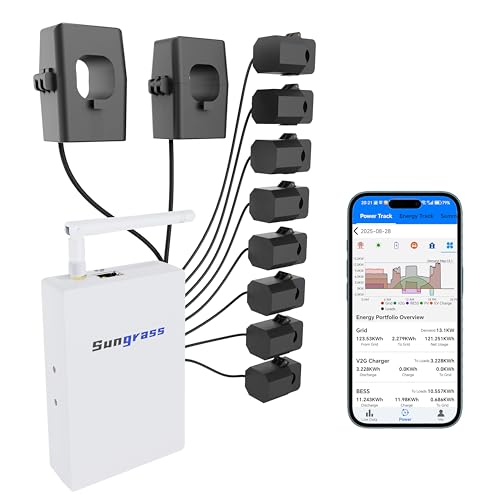
Sungrass Home Energy Monitor-Real Time Electricity Usage Monitor,Power Usage Meter, Energy Usage Monitor,Energy Monitor for Home Assistant,Power Monitor,Circuit Monitor,Electric Use Monitor
SMART HOME ENERGY MONITOR: This electricity usage monitor features 10 circuit monitoring channels, along with data recording and...
As an affiliate, we earn on qualifying purchases.
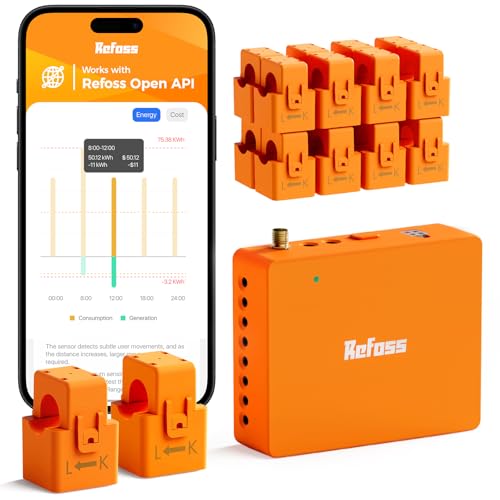
Refoss Smart Home Energy Monitor Real-Time Electricity Usage Monitor with 16x60A Circuit Sensor, Energy Meter, Local Data Storage with Open API & Web UI, Home Assistant, Solar Metering, ETL Certified
Comprehensive Home Energy Monitoring: Monitor your home’s real-time electricity usage with 2 main circuit sensors (up to 200A...
As an affiliate, we earn on qualifying purchases.
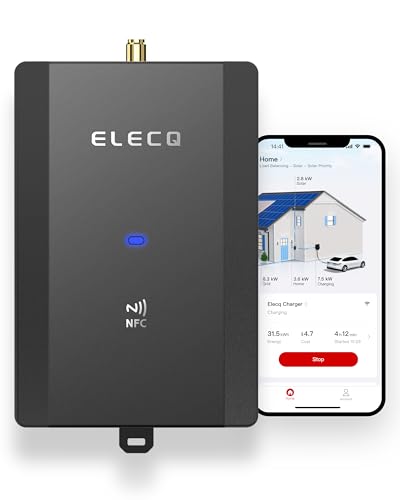
ELECQ Power Monitor, Smart Energy Management for Home EV Charging, Active Load Management & Solar Charging Mode to Save on Costly Electrical Upgrades, Wi-Sun Connectivity (Compatible EVSE)
【Active Load Management】 Household distribution panels often have limited capacity, and running multiple appliances while using your EV...
As an affiliate, we earn on qualifying purchases.

Sense Flex/Solar Add-on Sensors
Turns a base model Sense monitor into a Flex or Solar model
As an affiliate, we earn on qualifying purchases.