


As discussions around a strategic Bitcoin reserve heat up, the concept faces intense scrutiny from both economic experts and the public. You might find it intriguing that this idea, which proposes a reserve of Bitcoin to bolster the U.S. dollar and contribute to economic stability, has gained traction amid rising corporate and sovereign adoption. Proponents argue that a Bitcoin reserve could serve as an innovative hedge against monetary instability and facilitate the integration of digital assets into the financial system.
However, the concept isn't without its challenges. Economic experts like Peter Schiff criticize the proposal, claiming it could lead to a devaluation of the U.S. dollar and create unsustainable economic cycles. He isn't alone in his skepticism; many voice concerns over Bitcoin's notorious price volatility, which could endanger the stability of such a reserve. Imagine the implications of having an asset that can fluctuate wildly in value while you're trying to stabilize your currency.
The proposal faces skepticism due to Bitcoin's volatility and potential risks to the U.S. dollar's stability.
You've probably heard about the legislative efforts surrounding this idea, particularly the BITCOIN Act proposed by Senator Cynthia Lummis. This bill aims to establish a strategic Bitcoin reserve, with plans to acquire up to 1,000,000 BTC over the next five years. Despite the criticisms, the proposal has garnered some congressional support and even caught the attention of former President Trump, who's endorsed the concept during his campaign. This political backing could indicate a potential shift in how Bitcoin is perceived in the financial landscape.
The management of a Bitcoin reserve would involve coordination with financial services agencies, leveraging blockchain technology for transparency. Public auditing could provide a level of trust regarding Bitcoin movements, but security concerns about theft or loss remain a critical issue. You might wonder how the government would handle liquidating large amounts of Bitcoin without negatively impacting its price. Furthermore, the U.S. would own approximately 5% of total Bitcoin supply if the reserve is established as proposed.
Market reactions to the reserve proposal have been mixed. Bitcoin's price surged following announcements related to the reserve, reflecting increased confidence in its role as a strategic asset. Investor interest has grown, particularly as a hedge against inflation, but the overall risk remains.
The cryptocurrency landscape is evolving, and while Bitcoin's potential role in treasury management is expanding, the criticisms and challenges surrounding it can't be ignored. As you navigate this complex terrain, consider both the opportunities and risks that a Bitcoin reserve presents.

FFJ Wireless Gaming Mouse, 24000 DPI, Tri-Mode 2.4G/USB-C/Bluetooth 5.3 Gaming Mouse Wireless, RGB Programmable Mouse Gamer, 75Hrs Battery Life, Rechargeable Gaming Mice for PC, Mac, Black
【𝟐𝟎𝟐𝟓 𝐍𝐞𝐰 𝐕𝐞𝐫𝐬𝐢𝐨𝐧 & 𝟔 𝐏𝐫𝐨𝐠𝐫𝐚𝐦𝐦𝐚𝐛𝐥𝐞 𝐁𝐮𝐭𝐭𝐨𝐧𝐬】The 6 buttons of the FFJ Master01 wireless gaming mouse can be...
As an affiliate, we earn on qualifying purchases.
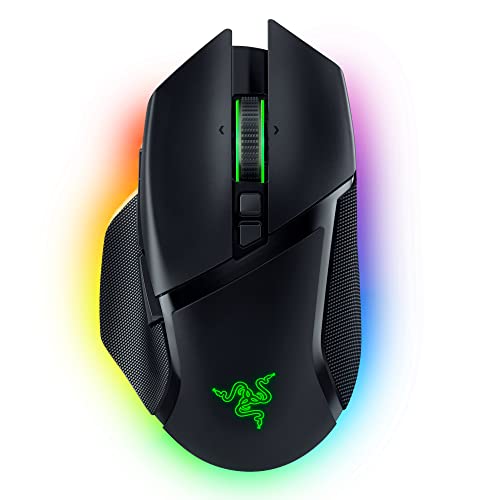
Razer Basilisk V3 Pro Wireless Gaming Mouse: HyperScroll Tilt Wheel - 30K DPI Optical Sensor - Gen-3 Optical Switches - 13-Zone Chroma RGB - 13 Programmable Controls - 3 Connection Modes - Black
ICONIC ERGONOMIC FORM WITH 10 1 PROGRAMMABLE BUTTONS: Favored by millions worldwide, the mouse’s signature shape perfectly supports...
As an affiliate, we earn on qualifying purchases.
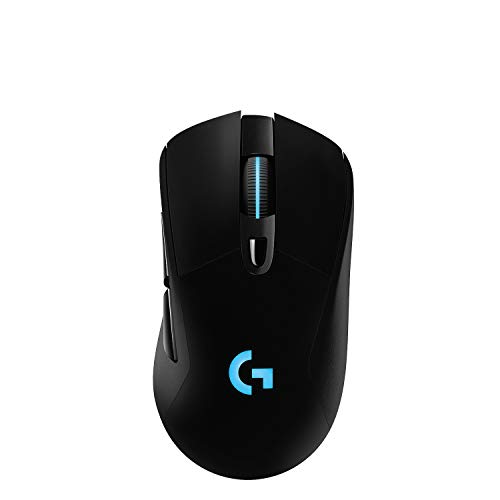
Logitech G703 Lightspeed Wireless Gaming Mouse W/Hero 25K Sensor, PowerPlay Compatible, Lightsync RGB, Lightweight 95G+10G Optional, 100-25, 600 DPI, Rubber Side Grips - Black
HERO 25K Sensor: our most advanced, with 1:1 tracking, 400+ IPS, and 100-25,600 max DPI sensitivity — plus...
As an affiliate, we earn on qualifying purchases.

Logitech G502 Lightspeed Wireless Gaming Mouse with Hero 25K Sensor, PowerPlay Compatible, Tunable Weights and Lightsync RGB - Black
PowerPlay wireless charging: Never worry about your battery life again. Add the power play wireless charging system to...
As an affiliate, we earn on qualifying purchases.