QTUM's a game-changing hybrid blockchain that merges Bitcoin's UTXO model with Ethereum's smart contracts. This unique combination boosts efficiency and security, making it a tough competitor for Ethereum. With features like Mutualized Proof of Stake, it handles up to 1,100 transactions per second and lowers transaction costs using SegWit. Its support for EVM and diverse token standards enables innovative dApps and NFTs. You'll discover even more about its potential advantages and features ahead.
Key Takeaways
- QTUM combines Bitcoin's UTXO model with Ethereum's EVM, enabling secure and efficient smart contract execution.
- Its Mutualized Proof of Stake (MPoS) mechanism allows for faster transactions and improved scalability compared to Ethereum.
- The platform supports diverse smart contracts and dApps, leveraging multiple token standards for innovative applications.
- QTUM integrates SegWit to lower transaction costs while maintaining speed, enhancing user experience across various industries.
- The QTUM token is essential for transaction fees, staking, and governance, promoting community involvement in the network's evolution.

In a rapidly evolving blockchain landscape, Qtum stands out as a hybrid solution that merges the strengths of both Bitcoin and Ethereum. You'll find that it combines the UTXO transaction model from Bitcoin with the Ethereum Virtual Machine (EVM) for smart contracts, giving you the best of both worlds. This unique architecture allows you to execute smart contracts while maintaining the security and efficiency of Bitcoin's model. The Account Abstraction Layer (AAL) plays a vital role here, addressing the technical challenges that often arise with smart contracts, ensuring smooth operations. Additionally, Qtum's hybrid architecture enables developers to leverage the benefits of both blockchain technologies seamlessly.
The consensus mechanism employed by Qtum is Mutualized Proof of Stake (MPoS), which offers a faster and more efficient alternative to traditional Proof of Work. You'll appreciate the network's ability to handle up to 1,100 transactions per second, significantly enhancing scalability. With layer-2 solutions like the Lightning Network, you can enjoy even greater throughput, making Qtum a competitive player in the blockchain space.
Plus, the delayed rewards for validators help secure the network against potential junk contract attacks, providing you with peace of mind when using the platform.
When it comes to smart contracts and decentralized applications (dApps), Qtum doesn't fall short. You can develop and deploy smart contracts using the EVM and the Solidity programming language, which many developers are already familiar with. This compatibility opens doors for innovative applications, such as Qbao, a multi-chain wallet, and InkChain, aimed at intellectual property and supply chain management.
The platform's support for various token standards, including QRC-20 and QRC-721, makes it easy for you to create unique digital assets, including NFTs.
Qtum's ecosystem is built with scalability and security at its core. The integration of Segregated Witness (SegWit) and the Lightning Network allows it to reduce transaction costs while maintaining speed. This adaptability to various industries, from finance to identity management, showcases its potential for real-world applications.
With the QTUM token serving as the backbone for transaction fees, staking, and governance, you can actively participate in shaping the network's future.

MEEVIZ Ebike Racks for Tow Hitch with Lock, 2 Bike Rack for Car Truck SUV RV Trailer, Hitch Bike Rack for Fat Tire, Mountain Bikes, Electric Bikes, EMTB and Standard Bicycles - 200 lbs Capacity
Enhanced Durability: The MEEVIZ bicycle car rack features robust construction and can support up to 200 lbs, with...
As an affiliate, we earn on qualifying purchases.
Frequently Asked Questions
What Are the Key Differences Between QTUM and Ethereum?
When comparing QTUM and Ethereum, you'll notice key differences.
QTUM employs a UTXO model for transactions, while Ethereum uses an account model.
In terms of consensus, QTUM's Proof of Stake is faster and more energy-efficient than Ethereum's Proof of Work.
Both platforms utilize the Ethereum Virtual Machine for smart contracts, but QTUM offers enhanced interoperability.
Finally, QTUM's decentralized governance allows token holders to influence network decisions more directly than in Ethereum.
How Does QTUM Ensure Security for Its Network?
Qtum ensures security for its network through a combination of its Decentralized Governance Protocol and Proof of Stake consensus mechanism.
You'll find an immutable ledger that prevents transaction alterations and no central authority to reduce censorship risks.
Validators, chosen by their staked tokens, validate transactions and earn rewards, creating a vested interest in security.
Additionally, the open-source model fosters community engagement, allowing rapid identification and resolution of vulnerabilities.
Can QTUM Support Decentralized Finance (Defi) Applications?
Yes, Qtum can support decentralized finance (DeFi) applications effectively.
Its compatibility with Ethereum smart contracts and various programming languages encourages development. With a higher transaction per second rate and lower fees, it's well-suited for high-frequency transactions.
Additionally, Qtum's decentralized Proof-of-Stake mechanism enhances security and scalability.
What Programming Languages Are Compatible With QTUM?
If you're looking to develop on QTUM, you'll find several programming languages compatible with it. You can use C++, Java, Python, and JavaScript, all of which support JIT compilation for efficient smart contract execution.
Additionally, Solidity, popular in Ethereum, can also be adapted. QTUM's virtual machine enhances flexibility, allowing you to write contracts in various languages, making it versatile for different development needs in the blockchain space.
How Can I Purchase QTUM Tokens?
To purchase Qtum tokens, start by choosing a supported exchange like Binance or Kraken.
Create an account by registering and completing the verification process.
Once your account is funded through bank transfer or card payment, search for "Qtum" in the marketplace.
Enter the amount you want to buy, confirm the transaction, and your tokens will appear in your exchange wallet.
For security, transfer them to a hardware wallet afterward.

TANX Bike Racks for Ebikes,Fat Tire Bike Rack for Tow Hitch 2-Bike 160 lbs Capacity,Hitch Bike Rack for Heavy E Bike, Wobble Free Smart Tilting Folding Bicycle Car Racks for Standard, 2 inch Receiver
🚲【Universal 2-Inch Hitch Fit for 2 Bikes & Heavy-Duty Construction】 Effortlessly mounts to any 2" hitch receiver (SUVs,...
As an affiliate, we earn on qualifying purchases.
Conclusion
In conclusion, Qtum's innovative hybrid blockchain combines the best features of both Bitcoin and Ethereum, positioning it as a strong contender in the blockchain space. Its ability to support smart contracts while ensuring security and scalability sets it apart from traditional platforms. As developers and businesses increasingly seek versatile solutions, Qtum could very well emerge as a leading alternative to Ethereum. Don't underestimate its potential; the future of decentralized applications may just lie in Qtum's hands.
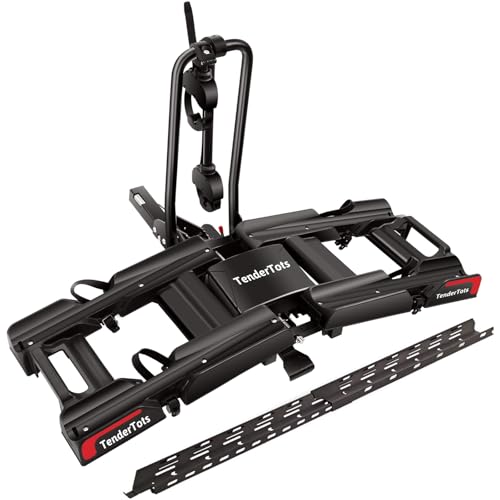
TenderTots Ebike Rack with Ramp for 2 E-Bikes, Hitch Bike Rack Fits 5" Fat Tire, Heavy-Duty Platform Carrier with Ramp, Foldable Tilting Locking, 2" Receiver for Cars SUVs Trucks, No Assembly
READY-TO-USE, ZERO HASSLE MOBILITY: Fully assembled ebike rack—no tools, no setup. The TenderTots Hitch 2 E-Bike Rack is...
As an affiliate, we earn on qualifying purchases.

Young Bike Rack Hitch for Car - 200LB 2-Bike Rack Hitch Mount Platform Style Hitch Bike Rack,Smart Tilting & Easy Fold for Car SUV with 2 Inch Receiver,Bike Carrier Fits Up to 5-inch Fat Tire
SAFE & STABLE FOR CARS & SUVS:This hitch rack securely holds your bikes with soft padded hooks to...
As an affiliate, we earn on qualifying purchases.