
📊 Full opportunity report: How Restaurant Operators Can Find Billing Discrepancies on IdeaNavigator AI — validation score, market gap, and execution plan.

Get business pricing on tech for your team
- Business-only prices and quantity discounts
- Tax-exempt purchasing
- Multiple users, one account, clear invoices
TL;DR
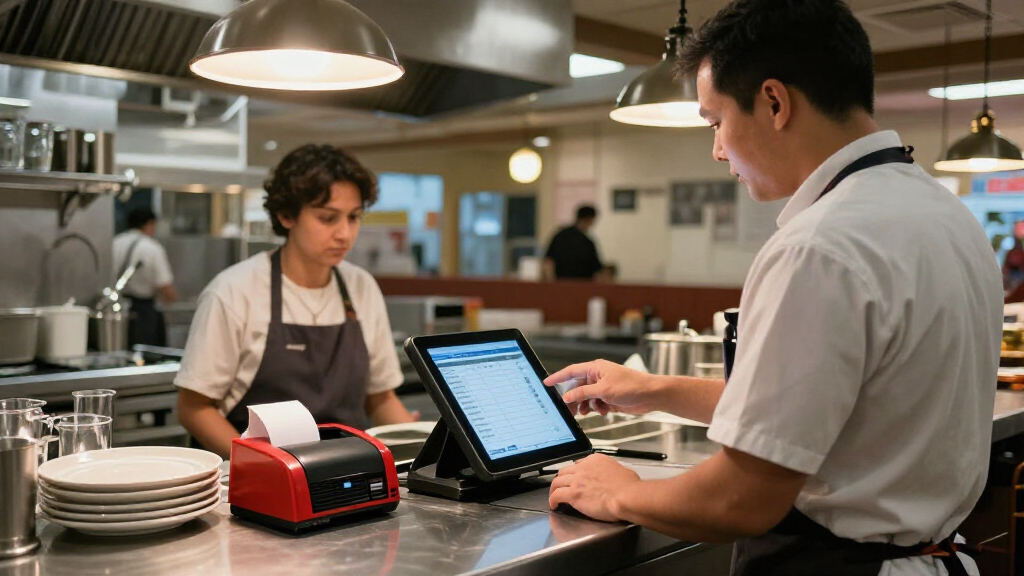
IdeaNavigator AI describes a proposed tool for multi-unit restaurant groups that would compare supplier invoices with orders, delivery records and agreed prices to identify possible overcharges and billing mismatches. The proposal reports no money recovered in practice; it suggests a 90-day review of paid invoices at three restaurant groups as a test.
IdeaNavigator AI has proposed an invoice-auditing workflow for independent restaurant groups with multiple locations. In its proposal, the system would compare supplier bills with orders, delivery records and contracted or quoted prices. The proposal targets discrepancies that can raise food costs, but reports no launched product, pilot results or verified savings.
According to IdeaNavigator AI, the proposed tool is aimed at a purchasing director or controller responsible for food and beverage suppliers across several locations. The proposal says it would ingest invoices through electronic data interchange where available, or through text recognition of PDFs and photos, and compare them with supplier contracts or quote sheets and the restaurant group’s order guide.
IdeaNavigator AI says the intended checks would match ordered, received, billed and agreed-price quantities. The system would flag cases billed in full despite a short shipment, substitutions charged above the expected price, contract prices that were not applied, and changes in line prices between orders. The proposal also describes drafting a supplier credit request and tracking it against later invoices to see whether the credit appears.
The proposed business model is a monthly fee per location, with an optional contingency fee tied to recovered credits. To test the business case, IdeaNavigator AI recommends reviewing 90 days of paid invoices and contracts or quote sheets at three restaurant groups, then comparing documented discrepancies and credits per location with the planned subscription fee. The proposal provides no results from that test.
Find billing mismatches before they become lasting costs
IdeaNavigator AI proposes comparing supplier invoices with orders, delivery records and agreed prices. The workflow has no reported launch, pilot results or verified savings.
What the proposed audit checks
It aims to match what was ordered, received, billed and agreed with suppliers.
Short shipments
Flag bills charged in full when delivery records show less arrived.
Price mismatches
Check substitutions, unapplied contract prices and price changes between orders.
Supplier credits
Draft a credit request and check later invoices for the adjustment.
From invoice to decision
Review paid invoices alongside contracts or quote sheets.
Compare bills with orders and delivery records, then confirm each flagged issue.
Calculate documented credits per location and compare them with the planned subscription fee.
Potential value and open questions
- Consistent checks across multiple locations
- Finding charges above agreed prices
- Tracking whether requested credits appear
- Invoice-reading accuracy and staff time saved
- Whether flagged issues are valid and recoverable
- Typical credits, savings and subscription cost
Checking Bills Against Deliveries
For restaurant operators, the practical issue is whether a discrepancy is detected and resolved before it becomes a lasting cost. A billed quantity that exceeds what arrived, or a price above an agreed quote, can affect reported food costs if it is paid and not later credited. The workflow described by IdeaNavigator AI would compare invoices, orders and delivery receipts to help staff identify those mismatches more consistently than relying on manual checks alone.
The proposal also includes a follow-through step: recording a credit request and checking a subsequent invoice for the adjustment. That matters because spotting a possible error is not the same as recovering money. IdeaNavigator AI’s suggested per-location cost test would help an operator judge whether confirmed credits are large enough to justify paying for a tool, though the proposal provides no evidence about accuracy, staff time saved or typical recovery amounts.
Products Worth Considering

Anker SOLIX C300 Portable Power Station, 288Wh

Bose SoundLink Flex Bluetooth Speaker (2nd Gen) – Portable Outdoor Speaker with Hi‑Fi Audio, Waterproof and Dustproof, USB‑C, Up to 12 Hours

Logitech MX Mechanical Wireless Illuminated Keyboard, Clicky
As an affiliate, we earn on qualifying purchases.
Food Costs Behind the Proposal
IdeaNavigator AI’s proposal cites a USDA Economic Research Service Food Price Outlook dated September 25, 2026. It says the outlook forecast 2026 retail beef and veal prices to rise 9.4% and wholesale beef prices to rise 8.5%, while food-away-from-home prices were forecast to rise 3.5%. These are forecast figures, not reported outcomes; the proposal provides no further detail about the forecast’s methodology or subsequent revisions.
IdeaNavigator AI uses the difference between the cited beef forecasts and menu-price forecast to explain why checking supplier charges could matter: if input prices rise faster than menu prices, an unapplied agreement or unrecognized increase may put pressure on margins. The proposal says restaurant groups may process hundreds of supplier invoices weekly, but provides no survey or operating data establishing how common the listed billing errors are. It presents them as problems the proposed workflow is intended to detect.
Pilot Results Still Pending
IdeaNavigator AI reports no product launch or pilot findings. The proposal does not establish how reliably the system could read different invoice formats, distinguish legitimate substitutions from billing errors, or reconcile delivery records when restaurant staff do not document shortages. It also does not specify how the tool would handle disputes over changing quotes, taxes, fees, unit conversions or supplier credits that appear long after the original invoice.
The suggested 90-day review is a validation plan, not evidence that the tool has recovered credits. The proposal identifies no participating restaurant groups, supplier responses, measured discrepancy totals, pricing figures or comparison against manual auditing. The scale of any savings and the subscription cost remain unknown.
A Three-Group Invoice Review
IdeaNavigator AI proposes a 90-day lookback across three restaurant groups, using paid invoices alongside contracts or quote sheets. The review would total amounts billed above agreed prices, short-shipped cases billed in full and price increases between orders, then calculate documented credits per location.
Operators considering the concept would need to establish whether each flagged mismatch is valid and whether suppliers issue the requested adjustment. The proposal’s decision rule is to proceed only if documented credits per location clearly exceed the planned subscription fee. Until a test reports those figures, the workflow remains an idea to validate rather than a demonstrated cost-saving service.
Source: IdeaNavigator AI
Key Questions
What would the proposed restaurant invoice auditor check?
As described by IdeaNavigator AI, it would compare invoices, orders, delivery records and agreed prices to flag issues such as short shipments billed in full, higher-priced substitutions, unapplied contract prices and price changes between orders.
Has the tool been launched or tested?
IdeaNavigator AI reports no launch or pilot results. Its proposal recommends a 90-day invoice review at three restaurant groups as a way to test the idea.
How is the proposed service expected to make money?
The business model suggested in the proposal is a monthly subscription per location, with an optional fee tied to recovered supplier credits. Pricing details are not provided.
How would restaurant groups judge whether it is worthwhile?
IdeaNavigator AI’s proposed test would calculate documented credits per location from a 90-day review and compare that amount with the planned subscription fee. The proposal says to proceed if the credits clearly exceed the fee, but reports no test outcomes.
Source: IdeaNavigator AI