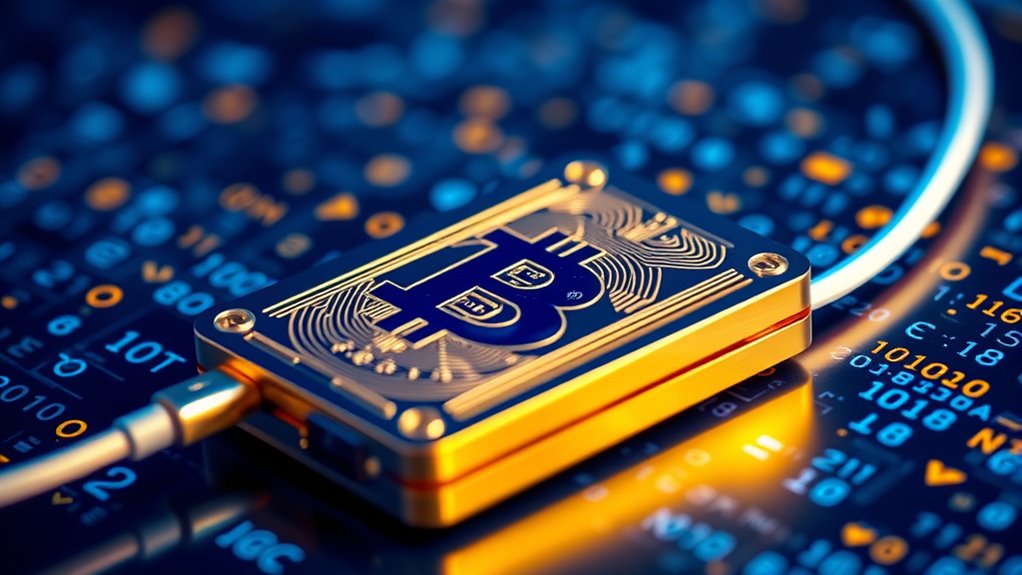

Imagine owning a rare digital artwork inscribed directly onto the Bitcoin blockchain, permanently stored and verifiable by anyone. Bitcoin Ordinals make this possible by embedding unique data onto individual satoshis, transforming the currency into a platform for digital collectibles. This approach raises important questions about permanence, ownership, and the future of digital art—topics that deserve careful consideration as you explore how these innovations are reshaping the very foundation of blockchain use.

Get business pricing on tech for your team
- Business-only prices and quantity discounts
- Tax-exempt purchasing
- Multiple users, one account, clear invoices
Key Takeaways
- Bitcoin Ordinals enable embedding digital art directly onto Bitcoin’s blockchain by assigning serial numbers to satoshis and inscribing data on them.
- Data such as images, videos, and texts can be permanently recorded within Bitcoin transactions using Taproot scripts.
- Once confirmed, inscriptions are permanently linked to specific satoshis, making digital art uniquely owned and transferable on Bitcoin.
- This method leverages Bitcoin’s immutability and security, creating a native environment for digital collectibles without external platforms.
- Bitcoin Ordinals expand Bitcoin’s functionality beyond currency, allowing the creation and provenance tracking of digital art on the original blockchain.
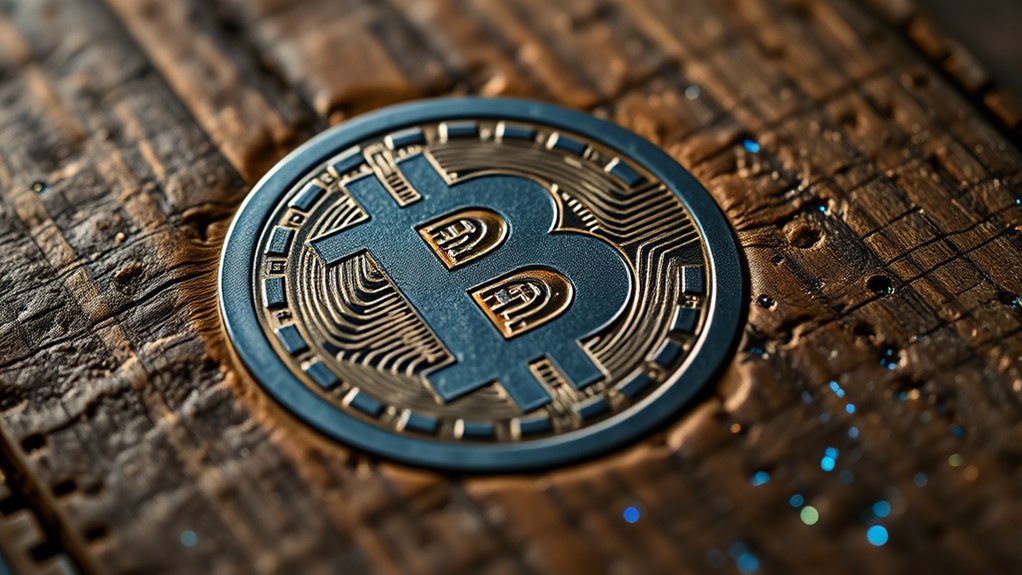
Have you heard about Bitcoin Ordinals? They’re a new way to create unique digital assets directly on the Bitcoin blockchain. Essentially, Ordinals assign a serial number to each satoshi—the smallest unit of Bitcoin—allowing you to inscribe data onto it. This data can be anything from images and texts to videos. Unlike traditional NFTs, which rely on separate platforms and smart contracts, Ordinals are native to Bitcoin’s blockchain, leveraging its unmatched security and decentralization.
The concept was introduced in January 2023 by Casey Rodarmor, made possible after Bitcoin’s network upgrades like SegWit and Taproot. These upgrades increased the data capacity of each block, enabling the embedding of larger data files directly into transactions. With Ordinal Theory, each satoshi is tracked and assigned a unique ordinal number based on its mining order. This allows you to identify and transfer inscribed satoshis just like regular Bitcoin, but with added digital assets embedded on-chain.
The process involves attaching inscriptions through a specialized protocol that embeds data within Taproot scripts in Bitcoin transactions. When a transaction with an inscription gets confirmed through mining, the data becomes permanently recorded on the blockchain. This process is straightforward: you create a Bitcoin transaction that includes your data, and once confirmed, it’s immutably stored. This means the inscribed data—whether an image, text, or small video—is permanently linked to a specific satoshi, making it a digital collectible or asset that can be owned and transferred.
Mining Ordinals is similar to typical Bitcoin mining, which uses proof-of-work. Miners confirm transactions containing inscribed data just like any other Bitcoin transaction. However, because inscriptions increase transaction size, they can impact block space and fees. The process ties ownership and transferability directly to Bitcoin’s secure, decentralized ledger, ensuring that these digital assets benefit from Bitcoin’s core strengths. Recognizing the significance of blockchain capacity and scalability is crucial when considering the impact of inscribing data onto the blockchain.
People primarily use Ordinals for digital art collectibles, memes, and other small digital assets inscribed directly onto Bitcoin. The potential for future applications extends to digital identities and document certification, leveraging Bitcoin’s permanence and immutability. This method allows for recording ownership and provenance without relying on external token standards, giving creators a new way to showcase their work in a secure environment.
The community’s response has been mixed. Some see Ordinals as an innovative expansion of Bitcoin’s utility, adding a layer of digital asset creation that enhances its value. Others criticize them as “blockchain spam,” concerned about increased transaction sizes, higher fees, and network congestion. Despite the debate, Bitcoin Ordinals represent a significant shift, demonstrating how Bitcoin’s blockchain can evolve beyond simple currency to host unique digital assets directly on its immutable ledger. The ability to inscribe data directly onto satoshis offers a new dimension for digital asset ownership and preservation.
Bitcoin Ordinals digital art storage
As an affiliate, we earn on qualifying purchases.
As an affiliate, we earn on qualifying purchases.
Conclusion
By inscribing your art onto Bitcoin’s immutable ledger, you’re not just creating a digital masterpiece—you’re carving a lasting symbol of permanence and trust. Each satoshi becomes a tiny monument, a beacon of originality amid the vast blockchain landscape. As you embed your unique vision, remember that you’re forging a legacy rooted in the very foundation of decentralization, turning each inscription into an enduring flame that illuminates the future of digital art.
Fall Picks
fall essentials
As an affiliate, we earn on qualifying purchases.