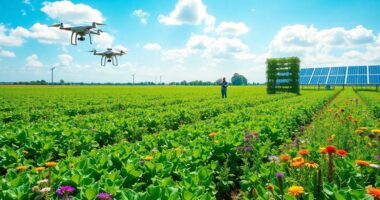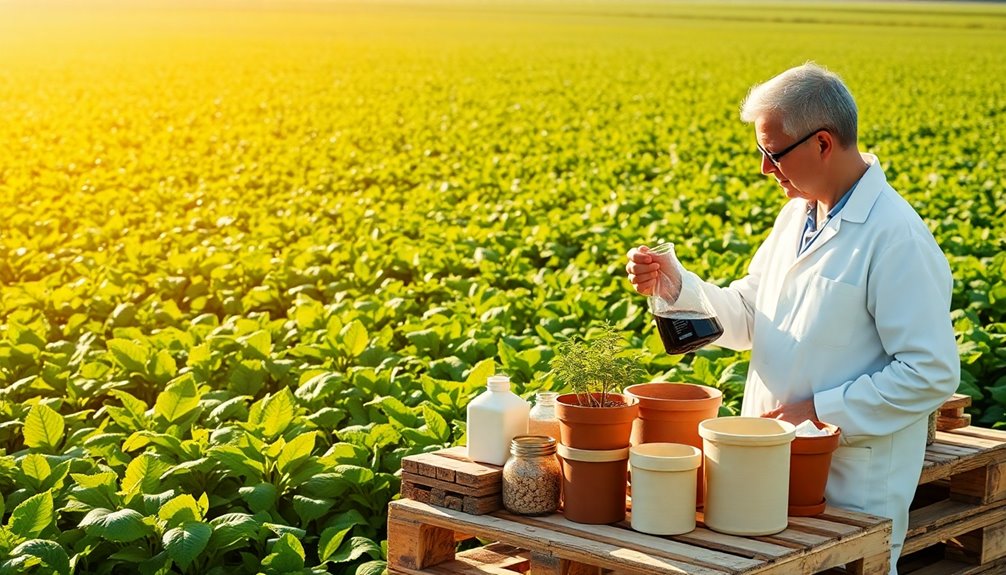

Harnessing lignin valorization can significantly boost sustainable agricultural development. You'll find that lignin enhances crop productivity, improves soil health, and serves as a natural plant growth regulator. By utilizing its biodegradable properties for packaging and soil conditioners, you can reduce reliance on synthetic chemicals. This approach not only opens new economic opportunities but also supports eco-friendly practices. Discover how you can leverage lignin's potential for a greener future in agriculture.
Key Takeaways
- Lignin valorization enhances soil health by improving structure and fertility, leading to increased crop productivity and environmental sustainability.
- Utilizing lignin-derived plant growth regulators reduces reliance on synthetic chemicals, promoting natural plant development and protecting against pathogens.
- Lignin-based biodegradable materials, such as packaging and soil conditioners, contribute to sustainable practices while reducing plastic waste in agriculture.
- Economic opportunities arise from lignin valorization, creating jobs and boosting local economies through the production of lignin-based products.
- Addressing technological challenges and supporting policies can maximize the potential of lignin, transforming it into valuable agricultural resources.
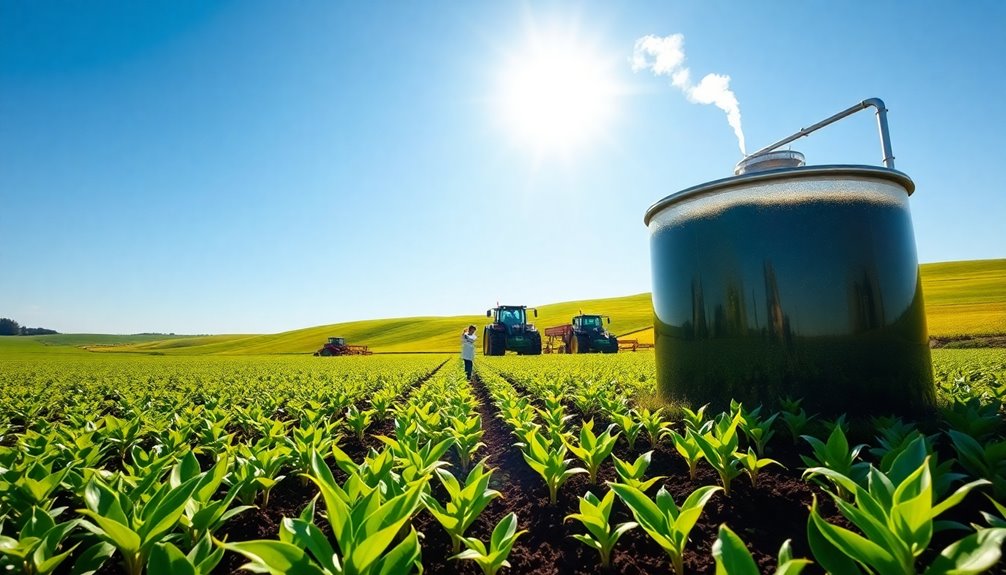
As the demand for sustainable agricultural practices grows, lignin valorization emerges as a promising solution to enhance both crop productivity and environmental health. By transforming lignin into valuable agrochemicals like fertilizers and pesticides, you can offer environmentally friendly alternatives to conventional options, ultimately benefiting your farm and the ecosystem. Lignin also improves soil structure and fertility, retaining essential nutrients and water, which can lead to healthier crops and better yields. Additionally, lignin serves as a potential source for aromatic chemicals that can be utilized in various agricultural applications. Embracing sustainable living practices in agriculture can further amplify these benefits.
Lignin valorization enhances crop productivity and environmental health, offering sustainable alternatives to traditional agrochemicals.
You mightn't know that lignin derivatives can act as plant growth regulators, promoting robust plant development. This natural approach can reduce your dependence on synthetic chemicals. Additionally, lignin exhibits antimicrobial properties that help protect your crops from pathogens, minimizing the need for synthetic fungicides. By integrating lignin into your agricultural practices, you're adopting a more sustainable approach that supports both your farm's productivity and the environment.
However, challenges exist in lignin valorization. Its complex molecular structure makes efficient valorization difficult, and despite being abundant, around 98% of lignin remains underutilized. Technological limitations hinder its transformation into valuable chemicals, while variations in lignin properties can affect its suitability for various applications. To promote lignin valorization effectively, supportive policies and regulations are essential.
Lignin-based materials also offer numerous benefits for agriculture. For instance, biodegradable packaging and lignin-enhanced bioplastics can significantly reduce plastic waste. Soil conditioners made from lignin derivatives can improve soil health, while contributing to carbon sequestration efforts. By adopting these innovative materials, you can replace traditional synthetic products and support a more sustainable agricultural model.
Valorizing lignin can create new economic opportunities and jobs in rural areas, contributing to local economies. The market for lignin-based products shows significant growth potential, and by using lignin, you can save on production costs while enhancing profitability. Ultimately, harnessing lignin valorization opens doors to a more sustainable future for agriculture.
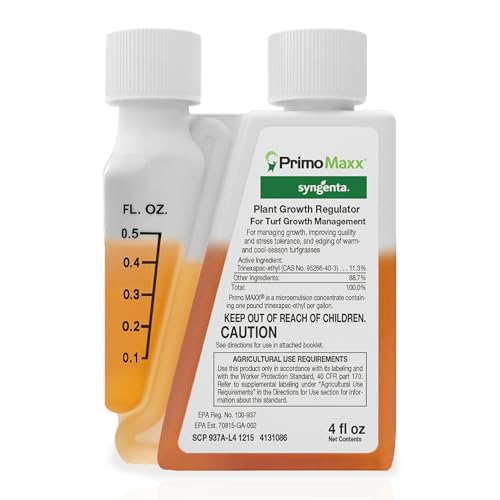
Primo Maxx Plant Growth Regulator
Useful in the management of difficult-to-mow areas and can be used to minimize the need for edging turfgrass
As an affiliate, we earn on qualifying purchases.
As an affiliate, we earn on qualifying purchases.
Frequently Asked Questions
What Are the Main Sources of Lignin in Agriculture?
You'll find lignin mainly in woody biomass, agricultural residues, and energy crops.
Look for it in byproducts from harvesting, like straw and corn stalks, or in plants like bamboo and rice.
Grasses and cereal crops also contain lignin, making them valuable sources.
If you explore biorefineries, you'll see that they produce lignin as a byproduct when processing various agricultural biomass, enhancing the potential for sustainable agricultural practices.
How Does Lignin Improve Soil Health and Fertility?
Did you know that adding lignin to soil can boost nitrogen availability by up to 30%?
Lignin improves soil health and fertility by enhancing soil structure, increasing porosity, and reducing compaction. This leads to better water retention and root growth conditions.
It also aids in nutrient cycling, making phosphorus and potassium more accessible to plants. By stabilizing soil aggregates, lignin helps maintain soil organic matter, contributing to a healthier ecosystem overall.
Can Lignin Be Used in Organic Farming Practices?
Yes, you can definitely use lignin in organic farming practices! It offers numerous benefits, like enhancing soil health and fertility through improved organic carbon levels.
Lignin's antimicrobial properties provide natural crop protection, reducing the need for harmful chemicals.
Plus, when incorporated into hydrogels, it helps with water retention and nutrient delivery, promoting plant growth.
What Are the Economic Benefits of Lignin Valorization?
Lignin valorization offers several economic benefits for you.
First, it boosts profitability by transforming lignin into high-value products, enhancing the efficiency of biorefineries. You can diversify your product offerings, tapping into new markets.
This process creates job opportunities in manufacturing and research sectors.
Additionally, by reducing waste and emissions, you promote a more sustainable business model, which can attract eco-conscious consumers and investors, ultimately leading to market growth and increased financial returns.
Are There Any Risks Associated With Lignin Application in Agriculture?
Yes, there are risks associated with lignin application in agriculture.
You might encounter challenges due to its heterogeneous structure, which can complicate processing.
Scalability issues could arise, as extracting and using lignin isn't straightforward.
Also, complete depolymerization is tough due to stable bonds formed during extraction.
Finally, regulatory frameworks around lignin use may still be evolving, which could impact its adoption in agricultural practices.

FoxFarm Happy Frog Soil Conditioner, 1.5cu ft – Contains Mycorrhizae and Humic Acids – May Help Increase Root Efficiency and May Help Micronutrient Uptake, Use on All New Plantings
You will receive (1) 1.5-cubic foot bag of soil conditioner per purchase.
As an affiliate, we earn on qualifying purchases.
As an affiliate, we earn on qualifying purchases.
Conclusion
Incorporating lignin valorization into sustainable agriculture is like planting seeds of innovation that can flourish into a thriving ecosystem. By transforming lignin into valuable products, you're not just enhancing soil health and crop yields; you're fostering a resilient agricultural future. Embracing this versatile resource can lead to a greener planet, where sustainability and productivity grow hand in hand. Let's cultivate this potential and watch our agricultural landscapes bloom with promise and vitality.
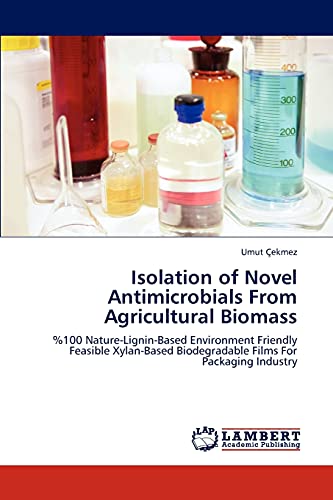
Isolation of Novel Antimicrobials From Agricultural Biomass: 0 Nature-Lignin-Based Environment Friendly Feasible Xylan-Based Biodegradable Films For Packaging Industry
As an affiliate, we earn on qualifying purchases.
As an affiliate, we earn on qualifying purchases.

Down To Earth All Natural Fertilizers Organic Vegetable Garden – Plant Food for Vegetables, Herbs, Greens and Raised Beds 4-4-4, 1 lb
Ideal for Vegetable Gardens: Formulated with a balanced 4-4-4 NPK ratio to provide essential nutrients for robust vegetable…
As an affiliate, we earn on qualifying purchases.
As an affiliate, we earn on qualifying purchases.