


As Ripple intensifies its lobbying efforts, accusations are mounting that the company is employing tactics aimed at undermining Bitcoin's dominance in the crypto market. Critics point to Ripple's substantial financial investments in lobbying against a Bitcoin-only strategic reserve, arguing that this is a direct threat to Bitcoin's position. Instead, Ripple advocates for a diversified crypto reserve that includes XRP, Solana (SOL), and Cardano (ADA), suggesting that this approach is more beneficial for the crypto ecosystem.
Internal emails from Ripple have surfaced, revealing a strategy to promote narratives that undermine Bitcoin. Among these tactics is the "China FUD" campaign, which aims to highlight Bitcoin's perceived centralization issues linked to Chinese mining pools. This raises concerns about disinformation, as critics accuse Ripple executives of spreading misleading information to elevate XRP's status. By portraying Bitcoin as centralized, Ripple seeks to position XRP as a decentralized alternative, which many see as part of a larger anti-Bitcoin strategy.
Internal emails reveal Ripple's strategy to undermine Bitcoin through narratives like the "China FUD" campaign, raising disinformation concerns.
Ripple's interests in promoting central bank digital currencies (CBDCs) further complicate the landscape. The company views CBDCs as a growth opportunity that could integrate seamlessly with existing financial systems, but critics argue this focus diverts attention from Bitcoin's integral role in the crypto ecosystem. Ripple's infrastructure is designed to support various digital assets, including CBDCs, aligning with its broader strategy to influence crypto regulations.
The ongoing debate over Bitcoin mining intensifies these tensions. Ripple is accused of lobbying against Bitcoin mining under the guise of environmental concerns, which some see as an effort to diminish Bitcoin's competitive edge. By leveraging environmental narratives, Ripple faces accusations of disinformation that could impact Bitcoin supporters and the broader mining community.
The strategic reserve debate highlights the diverging visions for digital assets as national reserves. Supporters of a Bitcoin-only reserve argue it strengthens the U.S. dollar and secures national economic stability, while Ripple's push for a diversified reserve dilutes Bitcoin's influence. This clash underscores the varying perspectives on how digital assets should be integrated into mainstream financial systems.
In response to these allegations, Ripple's CEO Brad Garlinghouse has refuted claims of anti-Bitcoin lobbying, asserting that the company supports a diversified crypto reserve. He contends that Ripple's stance aligns with U.S. interests in fostering innovation within the financial sector.
As the situation develops, the implications of Ripple's strategies on Bitcoin's future remain to be seen.
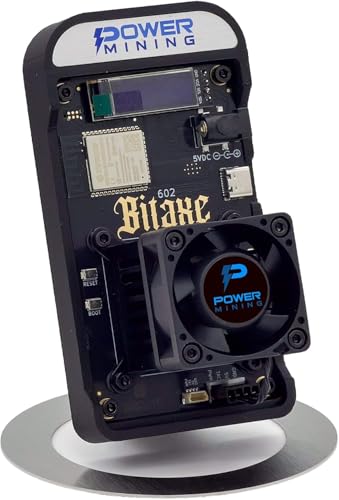
POWER MINING Bitaxe Gamma 602 ASIC Bitcoin Miner | 1.1 TH/s @ 18W | BM1370 Chip (Antminer S21 Pro) | Wi-Fi | USB-C | AxeOS | Open Source | Made in Europe | Incl. Power Supply & Stand
- Hashrate: 1.1 TH/s at 18W power
- Made in Europe: European design and manufacturing
- ASIC Chip: BM1370 chip from Antminer S21 Pro
As an affiliate, we earn on qualifying purchases.
As an affiliate, we earn on qualifying purchases.