
📊 Full opportunity report: A Closer Look At The Airbus A321XLR’s First Hours In Flight on IdeaNavigator AI — validation score, market gap, and execution plan.

Get business pricing on tech for your team
- Business-only prices and quantity discounts
- Tax-exempt purchasing
- Multiple users, one account, clear invoices
TL;DR
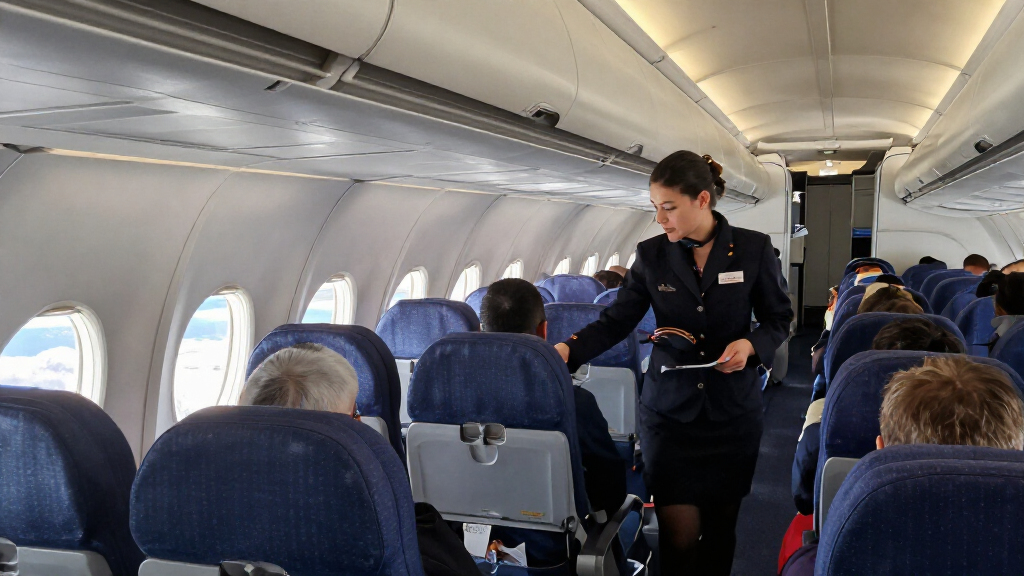
The material behind this proposed story does not document an Airbus A321XLR flight event or establish that the aircraft routinely remains in a climb during its first hours aloft. Instead, it proposes a news-monitoring product for independent automotive businesses and uses the A321XLR phrase as an example of a story the tool might track. No flight, airline, date, or supporting aviation source is identified.
The material proposing an automotive retail signal monitor does not substantiate its headline claim that the Airbus A321XLR often gets stuck climbing during its first hours in flight. The IdeaNavigator AI proposal describes a possible service for dealership and auto-shop owners, but gives no flight record, airline, date, or aviation source to confirm that event or pattern.
According to the IdeaNavigator AI proposal, the intended users are independent dealership and auto-shop owners or sales leads who may find news about launches, recalls, and regulation scattered across news outlets, forums, and filings. The proposal suggests a monitor that would filter those feeds for developments relevant to automotive retail and turn selected items into short briefs explaining what changed, why it matters, and what a reader might do.
The A321XLR wording appears in the proposal as an example of a topic the service might surface, not as a reported aviation finding. The material supplies no flight-tracking data, technical explanation, airline statement, Airbus comment, or independent reporting about the aircraft’s climb. Its characterization of the item as a high-signal lead is not evidence that the aircraft experienced a flight issue.
The proposal says Hacker News surfaced the idea with a signal score of 88 out of 100. It does not explain how that score is calculated, identify a measurement period or comparison baseline, or provide evidence that the proposed service has been built or tested. The score should be treated as a feature reported by the proposal, not as a measure of aviation significance or market demand.
The A321XLR flight claim remains unverified
The material identifies no flight or aviation evidence. Its actual focus is a proposed news monitor for independent automotive businesses.
What the material supports
The A321XLR wording is an example topic, not a reported aviation finding.
- No flight, date, or airline identified
- No flight data or technical explanation
- No Airbus or operator comment
- News filtering for automotive retailers
- Coverage of launches, recalls, and regulation
- No launch or customer results reported
How the proposed monitor would work
It would turn selected developments into short briefs tailored to a reader’s role.
Scan Hacker News and similar sources for relevant developments.
Select automotive launches, recalls, and regulation.
Send a tailored brief and two other items to five potential users; track forwards or decision changes.
What readers can conclude
The proposal does not establish an aircraft issue or prove the monitor can verify stories.
Evidence is missing
Without an identifiable flight and attributable records, the “stuck climbing” claim cannot be assessed.
Demand is untested
The five-person exercise is a proposed validation step; no customer responses or sales are reported.
The Aviation Claim Is Unverified
The distinction matters because a headline suggesting an aircraft “gets stuck” climbing could be read as an operational safety or performance report. The IdeaNavigator AI material does not establish either. Without an identified flight or supporting records, readers cannot tell whether the wording refers to a normal flight profile, an isolated event, a misunderstanding, or a claim with no factual basis.
The proposed product addresses a separate business problem: helping small automotive retailers identify relevant developments amid a large volume of information. That idea may be testable, but the A321XLR example does not show that the tool can reliably distinguish useful, verified news from unrelated or unsupported claims. For prospective users, that editorial reliability is central to whether a filtered brief can inform a business decision.
Products Worth Considering

LG UltraGear 27GX700A-B 27-Inch QHD OLED Gaming Monitor

Samsung 27-Inch Odyssey OLED G6 QHD Gaming Monitor (G61SH)

Logitech MX Master 4 Ergonomic Wireless Mouse with Haptic Feedback, Graphite
As an affiliate, we earn on qualifying purchases.
A Retail Monitor Proposal
The IdeaNavigator AI proposal is framed around automotive retail, not aviation. It describes a subscription service for independent dealership or auto-shop decision-makers, with coverage focused on vehicle launches, recalls, and regulation. The intended product would monitor Hacker News and similar feeds, then tailor updates to the recipient’s role rather than offer a general news roundup.
As a validation step, the proposal recommends delivering the brief and two additional items about launches, recalls, or regulation to five people matching its intended customer profile. It suggests tracking whether a recipient changes a decision or forwards an item to a colleague. These are proposed tests; the material reports no completed interviews, customer responses, subscription sales, or product results.
No Flight Details Are Given
The IdeaNavigator AI material provides no information identifying when or where an A321XLR flight took place, which airline operated it, or what “stuck climbing” means in measurable aviation terms. It supplies no altitude profile, flight duration, aircraft condition, weather, operational explanation, or comment from Airbus or an operator. The claim that this happens “often” is unsupported by a stated sample or comparison.
The proposal also does not say whether the 88/100 score reflects user engagement, an automated ranking, or another measure. It does not document the feed item behind that score or explain how the proposed monitor would verify stories before sending them to customers. No evidence in the material establishes that the monitor is operating, that automotive businesses have tested it, or that any reader changed a decision based on a brief.
Validation Would Test Retail Demand
The next step described by the IdeaNavigator AI proposal is a small customer test: send a tailored brief and two other relevant automotive developments to five independent dealership or auto-shop owners or sales leads. The test would look for signs of practical value, such as a changed decision or a forwarded item. The proposal suggests conducting the test “this week,” but provides no independently established timeline or results.
Separately, the A321XLR claim would need an identifiable flight and attributable aviation evidence before it could support a report about aircraft operations. Until such details are supplied, the defensible conclusion is limited: the material presents a product idea for automotive news filtering, while its aviation-themed example remains unverified.
Source: IdeaNavigator AI proposal
Key Questions
Is there evidence that an A321XLR gets stuck climbing for hours?
No supporting flight data or aviation reporting is included in the IdeaNavigator AI material. It gives no specific flight, operator, date, or technical evidence for the claim.
What is the actual development described?
The IdeaNavigator AI proposal describes a subscription news monitor that would filter vehicle launches, recalls, and regulations for independent dealership and auto-shop decision-makers.
Has the proposed monitor been launched or tested?
The proposal reports no launch, completed customer test, paid subscription, or user result. It suggests a five-person validation exercise as a future step.
What does the 88/100 score mean?
The proposal says Hacker News surfaced the idea with that score, but does not define the scoring method, period, or comparison baseline. It should not be read as evidence of an aircraft problem or customer demand.
Source: IdeaNavigator AI