
TL;DR
Mercedes-Benz has announced the start of large-scale production of its electric axial flux motors. This development could impact EV design and manufacturing, marking a significant step forward for the automaker.
Mercedes-Benz has begun large-scale production of its electric axial flux motors, a key component for its upcoming electric vehicle lineup. This move signifies a major step in the automaker’s EV strategy and could influence industry standards for electric drivetrains.
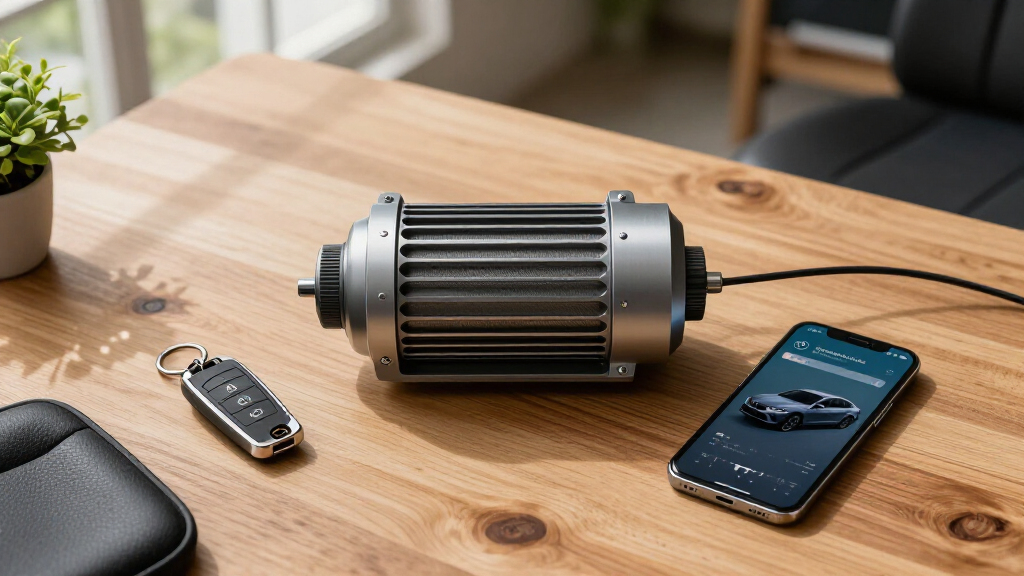
According to official statements from Mercedes-Benz, the company has started mass manufacturing of its innovative electric axial flux motors at its production facilities. These motors are designed to offer higher efficiency and power density compared to traditional radial flux motors, potentially enabling longer range and better performance for future EV models.
Sources indicate that the axial flux motor design allows for a more compact and lightweight motor architecture, which can improve vehicle packaging and reduce overall weight. Mercedes-Benz has not disclosed specific production volumes or timelines for vehicle integration but emphasized that this is a significant milestone in its electrification roadmap.
Industry analysts note that this move aligns Mercedes-Benz with broader industry trends toward advanced motor technologies and could give the automaker a competitive edge in EV performance and manufacturing cost reductions.
Implications of Mercedes-Benz’s Axial Flux Motor Production
This development is significant because it demonstrates Mercedes-Benz’s commitment to advancing electric drivetrain technology and scaling up production capabilities. The adoption of axial flux motors could lead to more efficient, higher-performing EVs, potentially influencing industry standards.
For consumers, this could mean vehicles with longer range, faster acceleration, and improved efficiency. For the automotive industry, it signals a shift towards more innovative motor architectures, possibly prompting competitors to accelerate their own development efforts.
As an affiliate, we earn on qualifying purchases.
Industry Trends Toward Advanced Electric Motor Technologies
Electric vehicle manufacturers have been exploring various motor designs to improve performance and reduce costs. Axial flux motors, which differ from traditional radial flux motors, have gained attention for their higher power density and compact form factor. Several companies have announced prototypes or small-scale production, but Mercedes-Benz’s move marks one of the first large-scale manufacturing efforts in this segment.
This shift aligns with broader industry goals of increasing EV range, improving efficiency, and reducing manufacturing costs. The development of axial flux motors has been driven by advances in materials, manufacturing techniques, and design optimization, making them increasingly viable for mass-market vehicles.
“This is a milestone in our electrification journey. Our axial flux motors will enable us to deliver higher performance and efficiency in our future EVs.”
— Mercedes-Benz spokesperson
Unanswered Questions About Deployment and Impact
It is not yet clear how quickly Mercedes-Benz will integrate these motors into its vehicle lineup or how the costs will compare to existing motor technologies at scale. Details about specific vehicle models, production volumes, and timing remain undisclosed.
Additionally, the broader industry response and potential adoption by other automakers are still developing and have not been confirmed.
Next Steps for Mercedes-Benz and Industry Adoption
Mercedes-Benz is expected to begin integrating these axial flux motors into upcoming EV models within the next 12 to 24 months. The company will likely release more detailed specifications, production plans, and vehicle applications in the coming quarters.
Industry observers will monitor whether other automakers follow suit with similar large-scale manufacturing efforts, potentially leading to a shift in EV drivetrain architecture across the market.
Key Questions
What are axial flux motors, and how do they differ from traditional motors?
Axial flux motors have a different magnetic flux path compared to radial flux motors, allowing for higher power density and a more compact design. They can be lighter and more efficient, which benefits vehicle performance and packaging.
Why is Mercedes-Benz’s move to mass produce these motors significant?
This marks one of the first large-scale efforts to commercialize axial flux motors in the automotive industry, potentially setting new standards for EV drivetrain technology and manufacturing efficiency.
When might we see vehicles equipped with these motors?
Mercedes-Benz is expected to begin integrating these motors into its upcoming EV models within the next 12 to 24 months, with official vehicle launches likely following shortly after.
Could this development influence other automakers?
Yes, if Mercedes-Benz’s large-scale production proves successful and cost-effective, other automakers may adopt similar motor architectures, accelerating innovation in EV drivetrain design.
Are there any potential drawbacks or challenges?
Challenges include scaling manufacturing processes, ensuring cost competitiveness, and integrating new motor technology into existing vehicle platforms. Further details are still emerging.
Source: IdeaNavigator AI