Missouri's new proposal to allocate 10% of its state funds for a Bitcoin reserve raises important questions about the future of digital currencies in state finance. By diversifying its assets, the state aims to enhance financial stability and combat inflation. But what does this mean for taxpayers and the broader economy? Understanding the implications of such a move could reshape how we view cryptocurrencies and state investments.

As Missouri dives deeper into the world of cryptocurrency legislation, it's proposing an intriguing idea: establishing a Bitcoin reserve. This proposal suggests allocating 10% of the state's funds to Bitcoin, a move that could redefine how Missouri interacts with digital currencies. By doing so, you're not just investing in a volatile asset; you're also looking to enhance financial stability and hedge against inflation.
Missouri's legislative focus has recently included the "Digital Asset Mining Protection Act," aimed at safeguarding cryptocurrency miners. This proactive stance shows a commitment to fostering a supportive environment for crypto activities. In contrast, the state has also introduced SB 194, which seeks to ban central bank digital currencies (CBDCs) as legal tender. This reflects an underlying concern for financial privacy and state sovereignty, emphasizing the importance of individual choice in the financial landscape. Additionally, the bill prohibits public entities from participating in CBDC tests or pilot programs by federal agencies, further highlighting the state's resistance to centralized digital currencies.
Implementing a Bitcoin reserve could align Missouri with national trends where states are exploring strategic asset reserves. By being one of the first to set a Bitcoin reserve, you're positioning Missouri as a leader in innovative financial strategies. However, this initiative isn't without its challenges. Establishing a clear regulatory framework is crucial for ensuring compliance and oversight. Without it, the proposal could face hurdles that undermine its intended benefits.
The potential benefits of a Bitcoin reserve are significant. It could provide Missouri with financial flexibility and a buffer against economic uncertainties. By diversifying state funds, you're not only taking a bold step into the crypto space but also potentially stabilizing the financial system against inflationary pressures. Yet, you must consider the public's perception and understanding of cryptocurrencies. For this initiative to succeed, residents need to grasp the implications and benefits of such a reserve.
Moreover, the implementation of a Bitcoin reserve carries risks, particularly related to market volatility. You might encounter conflicts of interest and the challenges of custody and ownership that need to be addressed. Observing other states like Wyoming, which has created a pro-crypto environment, can offer valuable insights. Missouri's initiative may also influence global cryptocurrency markets, setting a precedent for other states and countries.
In a landscape where both national and international examples exist, Missouri's proposal could be a game-changer. Establishing a Bitcoin reserve not only showcases a commitment to innovation but also highlights the state's intention to carve out a unique space in the evolving world of cryptocurrency.
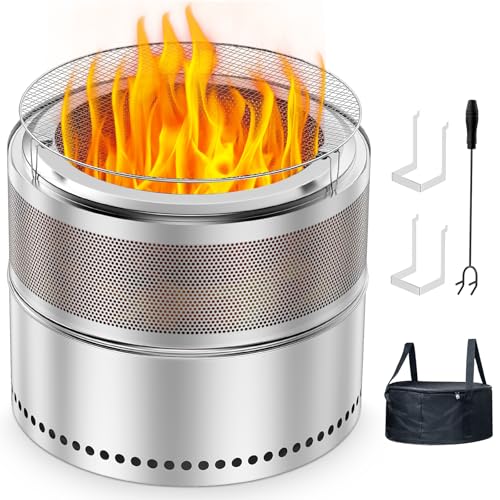
Smokeless Fire Pit for Outside 20 Inch, Portable Stainless Steel Smokeless Firepit Wood Burning with Grill Grate & Ash Pan, 360° Airflow Camping Fire Pits for RV, Patio & Garden, Carrying Bag Included
[Smokeless Firepit with 360° Airflow Design] This smokeless fire pit features a dual-wall stainless steel construction with precision...
As an affiliate, we earn on qualifying purchases.
Amazon Product B0DJ2VGLZV
As an affiliate, we earn on qualifying purchases.

TURBRO 29 Inch Smokeless Fire Pit for Outdoor Wood Burning, Stainless Steel Camping Stove with Stand, Removable Ash Pan, Waterproof Storage Bag, Pluto R29, Black
Large Capacity: Pluto R29 features a much larger body to burn more wood, reaching a roaring fire in...
As an affiliate, we earn on qualifying purchases.
Amazon Product B0B7B7NSV5
As an affiliate, we earn on qualifying purchases.