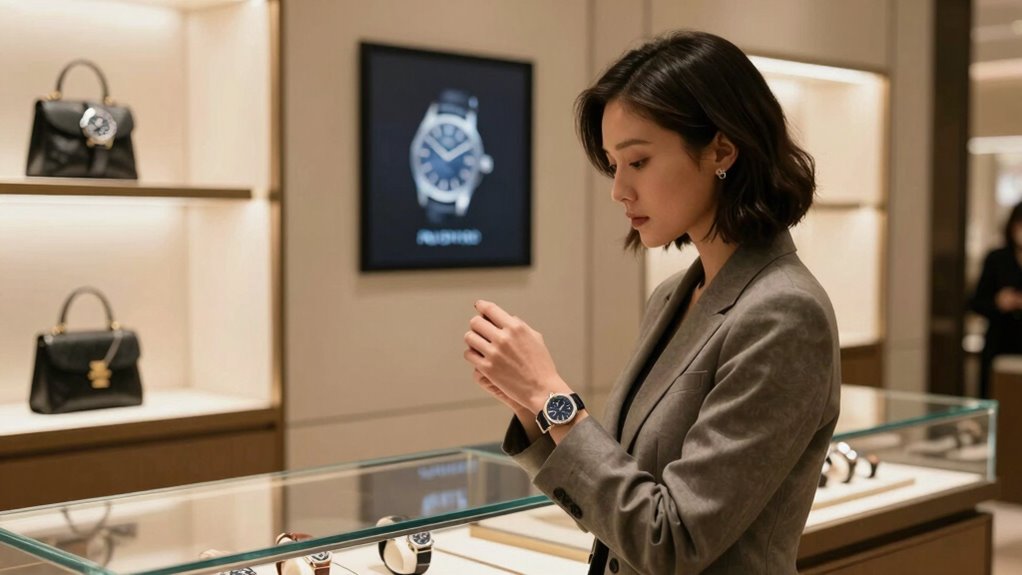

If you view luxury shopping through a short-term lens, you focus on trendy items, status, and quick impulses that boost recognition and social validation. Long-term perspectives, however, make you prioritize craftsmanship, heritage, and vintage pieces that can appreciate over time. Your choices align with either instant gratification or investment goals, shaping how you select brands and products. To understand how your approach affects your buying decisions even more, keep exploring these ideas.

Get business pricing on tech for your team
- Business-only prices and quantity discounts
- Tax-exempt purchasing
- Multiple users, one account, clear invoices
Key Takeaways
- Short-term shoppers prioritize trendiness, immediate gratification, and quick purchases, while long-term shoppers focus on investment potential and enduring value.
- Long-term consumers conduct research, value craftsmanship, and prefer classic or vintage items with future appreciation prospects.
- Branding and heritage influence long-term purchases more, as buyers seek items with legacy and legacy-driven value.
- Short-term buyers are driven by seasonal collections, promotions, and social validation; long-term buyers consider utility and asset-building.
- The time horizon shapes whether consumers view luxury items as status symbols or as strategic investments.
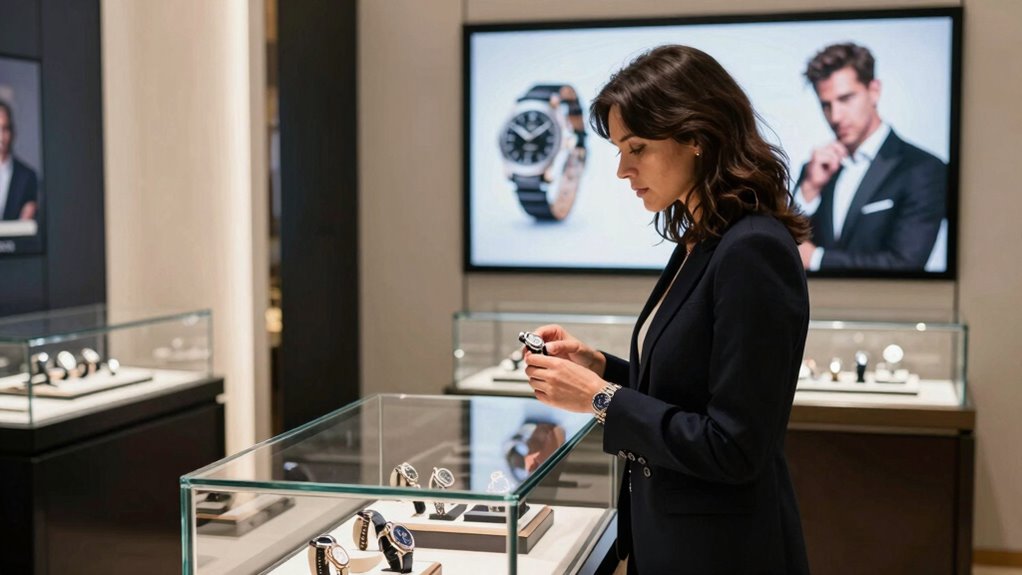
When it comes to shopping, your time horizon—the length of time you plan to hold onto a purchase—significantly influences your decisions. If you see a luxury item as a short-term indulgence, you’re more likely to focus on immediate gratification. You might prioritize brands known for their status and prestige, seeking out the latest trends or limited-edition pieces that make a statement now. In this mindset, luxury branding plays a key role, as the appeal often lies in the brand’s image and exclusivity, which satisfy your desire for instant recognition and social validation. Your approach may involve swift purchases, driven by promotions or seasonal collections, with less concern about long-term value. Recognizing the importance of brand heritage** can help you identify which luxury brands have a strong legacy and lasting appeal, guiding your choices accordingly. Additionally, understanding sustainable practices** within luxury branding can influence your long-term investment decisions by emphasizing brands that prioritize environmental and social responsibility.
Short-term luxury shopping focuses on trends, status, and instant gratification, with less emphasis on long-term value.
On the other hand, if your shopping perspective aligns with a long-term horizon, you view each purchase as part of a broader investment strategy. You’re less swayed by fleeting trends and more focused on the durability, timeless appeal, and potential appreciation of your investments. For you, luxury branding isn’t just about status; it’s about craftsmanship, heritage, and the enduring value that can grow over time. You consider how a piece fits into your overall collection, whether it complements other assets, or if it’s likely to retain or increase in worth. This mindset encourages deliberate, thoughtful purchases, often involving research and consultation with experts to ensure that each item aligns with your long-term goals.
Your shopping behavior shifts based on your time horizon because it influences how you perceive value. Short-term shoppers prioritize immediate pleasure and status, often chasing fleeting trends or limited editions. Long-term shoppers, however, treat certain luxury items as assets—similar to investment strategies—aiming for items that hold or appreciate in value. This means you might invest in classic watches, rare art, or vintage jewelry, recognizing their potential as future assets. You may also be more patient, willing to wait for the right piece at the right price, knowing that your purchases could serve a purpose beyond mere aesthetics. Additionally, understanding the importance of branding can help you identify which luxury brands have a strong heritage and lasting appeal, guiding your investments accordingly.
In essence, your time horizon guides whether your approach to luxury branding is driven by the desire for instant recognition or the pursuit of lasting value. It shapes your shopping habits, your investment strategies, and your overall mindset toward consumption. Whether you’re making quick splurges or building a curated collection for the future, understanding your own horizon helps you make smarter, more aligned choices that reflect your financial and personal goals.
Products Worth Considering

Apple Watch SE 3 GPS Smartwatch, 40mm

DJI Osmo Mobile 7P Smartphone Gimbal Stabilizer with Mic Mini Transmitter, Infinity Black

Bose QuietComfort Wireless Noise-Cancelling Over-Ear Headphones, Black
As an affiliate, we earn on qualifying purchases.
Frequently Asked Questions
How Does a Short Time Horizon Influence Luxury Item Purchases?
A short time horizon encourages you to make impulse purchases of luxury items, often driven by emotional triggers. You might buy something spontaneously to satisfy immediate desires or mood boosts, rather than planning ahead. This quick decision-making bypasses long-term considerations, leading you to act on feelings rather than strategic thinking. As a result, your luxury shopping becomes more about fleeting satisfaction than thoughtful investment.
What Role Does Future Planning Play in High-Net-Worth Shopping Habits?
Like a seasoned chess player, your future planning guides your shopping habits. You prioritize future savings and craft investment strategies, shaping your purchases today. This foresight guarantees you balance immediate gratification with long-term wealth growth, making strategic decisions that reflect your financial goals. Your shopping choices mirror this calculated approach, emphasizing quality and timeless value over fleeting trends, securing a prosperous future while enjoying life’s luxuries.
How Do Seasonal Changes Affect Spending for Different Time Horizons?
Seasonal changes profoundly impact your spending habits across different time horizons. You tend to allocate seasonal budgeting for upcoming holidays or events, which influences your planned purchases. Short-term, you might indulge in impulse buying during sales or festive seasons. Long-term, you plan bigger investments around seasonal cycles, ensuring your spending aligns with your financial goals. This balance helps you enjoy seasonal opportunities without compromising your overall financial strategy.
Are There Specific Products Targeted for Immediate vs. Long-Term Use?
You’ll find that products for immediate use, like luxury gadgets or fashion pieces, cater to instant gratification, satisfying your desire for quick rewards. Conversely, items like fine art, real estate, or long-term investments align with an investment mindset, meant for long-term value and growth. Ironically, the more you seek instant pleasure, the more you might overlook the enduring benefits of investing in items designed for lasting impact.
How Does Risk Tolerance Vary With Different Time Horizons?
Your risk tolerance varies with your time horizon because it influences your investment strategies and saving behaviors. Short-term horizons often lead you to adopt conservative strategies, minimizing risk to protect your savings. Conversely, a longer time horizon allows you to be more aggressive, accepting higher risks for greater potential returns. This flexibility enables you to adjust your approach based on how soon you need the funds, shaping your overall financial plan.
Conclusion
Understanding how your time horizon influences your shopping habits is like steering a river—you can choose to paddle swiftly toward immediate rewards or drift slowly toward long-term goals. By recognizing whether you prioritize instant gratification or future value, you can make smarter, more aligned purchases. So, next time you shop, think about your own journey—are you rushing downstream or enjoying a leisurely paddle toward lasting satisfaction? Your choices shape your financial future just as much as your current shopping cart.