

Blockchain turns provenance into a consumer advantage by offering you transparent, tamper-proof information about a product’s origin and journey. It replaces paper trails with secure digital ledgers accessible via QR codes or apps, letting you verify authenticity instantly. This builds trust, helps you make informed choices, and supports brands committed to transparency. By embedding blockchain into supply chains, companies make ethical sourcing and quality clear—you’ll see how this innovative technology benefits you at every step.

Get tech for your team delivered free — and shop member deals
- Fast, free delivery on millions of items
- Access to Prime Big Deal Days deals on October 6–7
- Prime Video, Amazon Music and more included
Key Takeaways
- Blockchain provides immutable, transparent records that verify product origin and authenticity for consumers.
- Digital provenance information enhances consumer trust and confidence in product sourcing.
- Real-time, tamper-proof data simplifies verification, enabling quick and easy product authentication.
- Transparent supply chain data supports ethical and sustainable purchasing decisions.
- Embedding blockchain fosters a trustworthy marketplace, strengthening brand reputation and customer loyalty.
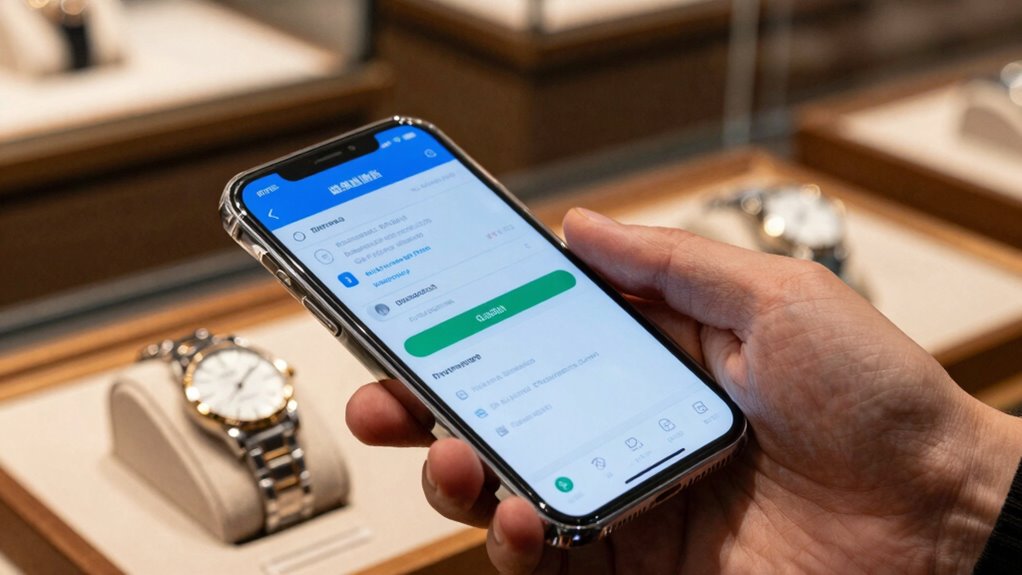
Since transparency is increasingly important to consumers, blockchain technology is transforming provenance from a behind-the-scenes record-keeping tool into a valuable advantage. Instead of relying on traditional paper trails or isolated databases, you now have access to an immutable, transparent ledger that provides real-time insights into a product’s origin. Instead, digital ledger technology allows for more efficient and accessible tracking of each product’s journey. This shift empowers you to verify authenticity through digital authentication, giving you confidence that what you’re buying is genuine, ethically sourced, and meets your standards. When a brand leverages blockchain, they effectively share an unalterable record of every step in the supply chain, making it easier for you to trace the journey of a product from raw material to retail shelf. Because all stakeholders contribute to a shared digital ledger, this decentralized approach further enhances the integrity of the information. Supply chain transparency becomes more than just a buzzword; it turns into a tangible benefit that you can see and trust. With blockchain, all stakeholders—manufacturers, suppliers, distributors—contribute to a shared digital ledger. This decentralized approach reduces the risk of fraud, counterfeiting, or misrepresentation, because altering records would require changing every copy across the network, which is practically impossible. As a result, you gain a clearer view of a product’s history, including where it was made, how it was processed, and whether ethical or sustainability claims are valid. This transparency helps you make more informed choices, especially when it comes to premium or ethically sourced goods. Additionally, blockchain security features make tampering with records highly unlikely, further strengthening consumer trust. Furthermore, digital authentication becomes faster and more reliable. Instead of relying on physical tags or certificates, you can scan a QR code or access a blockchain record to instantly verify authenticity. This process is secure and tamper-proof, reducing concerns over counterfeit products. It also streamlines the buying experience, as you no longer have to trust the word of a seller or hope that labels are accurate. Instead, you can see verified data stored securely on the blockchain, giving you peace of mind. As blockchain continues to embed itself into supply chains, your ability to access detailed, trustworthy provenance information improves. You’re empowered to support brands that prioritize transparency and authenticity, fostering a more ethical and sustainable marketplace. This technological shift turns provenance into a genuine advantage—one that benefits you as a consumer by providing clarity, security, and confidence in your purchases. Ultimately, blockchain’s role in transforming supply chain transparency and digital authentication creates a more honest, accountable shopping environment where your trust is built on verified, tamper-resistant data.
blockchain product authenticity verification
As an affiliate, we earn on qualifying purchases.
As an affiliate, we earn on qualifying purchases.
Frequently Asked Questions
How Secure Is Blockchain for Tracking Product Provenance?
Blockchain is highly secure for tracking product provenance because it uses data encryption to protect information from tampering. Additionally, consensus mechanisms ensure all participants agree on data validity before it’s added, preventing fraud. This combination makes blockchain resistant to hacking and unauthorized changes, providing you with trustworthy, transparent product histories. While no system is entirely invulnerable, these features substantially enhance security, giving you confidence in the provenance data.
Can Small Businesses Implement Blockchain for Transparency?
Yes, small businesses can implement blockchain to enhance transparency. Did you know that 73% of consumers say they’re more likely to trust a brand that shares transparent supply chain practices? By adopting blockchain, you can securely record every step of your supply chain, boosting consumer trust. While initial setup might seem complex, affordable solutions and platforms now make blockchain accessible, giving small businesses a powerful tool to prove authenticity and integrity.
How Does Blockchain Affect Product Pricing Strategies?
Blockchain impacts your product pricing strategies by enabling pricing innovation through transparent cost structures and authentic provenance data. This transparency allows you to differentiate your market position, justifying premium prices based on trust and verified origins. As consumers become more conscious, leveraging blockchain’s proof of authenticity can give you a competitive edge, fostering loyalty. Ultimately, it empowers you to set prices confidently, backed by verifiable information that appeals to discerning customers.
What Are the Legal Challenges of Blockchain Provenance?
Imagine steering a legal minefield, where each step must be precise. Blockchain provenance faces challenges like ensuring legal compliance, preventing fraud, and protecting intellectual property rights. You must verify data authenticity and adhere to evolving regulations across jurisdictions. Without clear standards, disputes can erupt like thunderstorms, threatening trust. Staying ahead means understanding legal landscapes and safeguarding intellectual property, turning blockchain’s transparency into a legal fortress rather than a liability.
Does Blockchain Require Significant Technical Expertise?
Blockchain doesn’t require you to be a tech expert, but it does involve some technical complexity. You’ll need user education to understand how it works, especially if you’re managing or verifying provenance data. While the core technology is complex, user-friendly platforms are emerging to simplify interactions. With basic knowledge, you can confidently leverage blockchain’s transparency and security benefits without deep technical skills.
Conclusion
By embracing blockchain, you can turn provenance into a real advantage, building trust and transparency with your customers. Did you know that 73% of consumers say they’re willing to pay more for products with transparent supply chains? This shows how blockchain’s ability to verify origins not only boosts your brand’s credibility but also appeals to conscious shoppers. So, integrating blockchain could be the game-changer you need to stand out in today’s competitive market.
Fall Picks
fall essentials
As an affiliate, we earn on qualifying purchases.