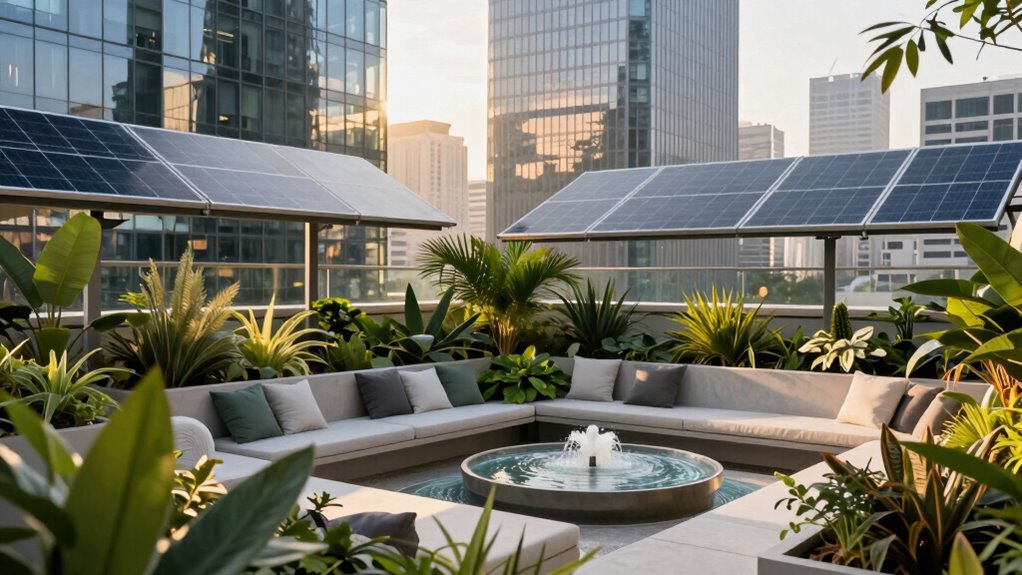

As an affluent consumer, you see resilience as a key part of sustainability because it helps protect your lifestyle, assets, and the environment for the long term. You prioritize sustainable practices that enhance financial security, ecological stability, and adaptability to climate risks. By investing in green projects and choosing resilient products, you’re supporting a proactive approach to future uncertainties. If you keep exploring, you’ll discover how integrating resilience can reshape responsible luxury and secure your well-being into the future.
Key Takeaways
- Affluent consumers view resilience as essential for protecting long-term lifestyle values and assets amid environmental and economic uncertainties.
- They prioritize sustainable investments that enhance ecological security and financial stability, emphasizing durability and adaptability.
- Resilience aligns with their preference for eco-friendly, resilient products like green real estate and clean-energy vehicles.
- Incorporating resilience supports responsible luxury, fostering proactive climate adaptation and risk management.
- Viewing resilience as part of sustainability helps maintain exclusivity, value retention, and a healthier environment for future generations.
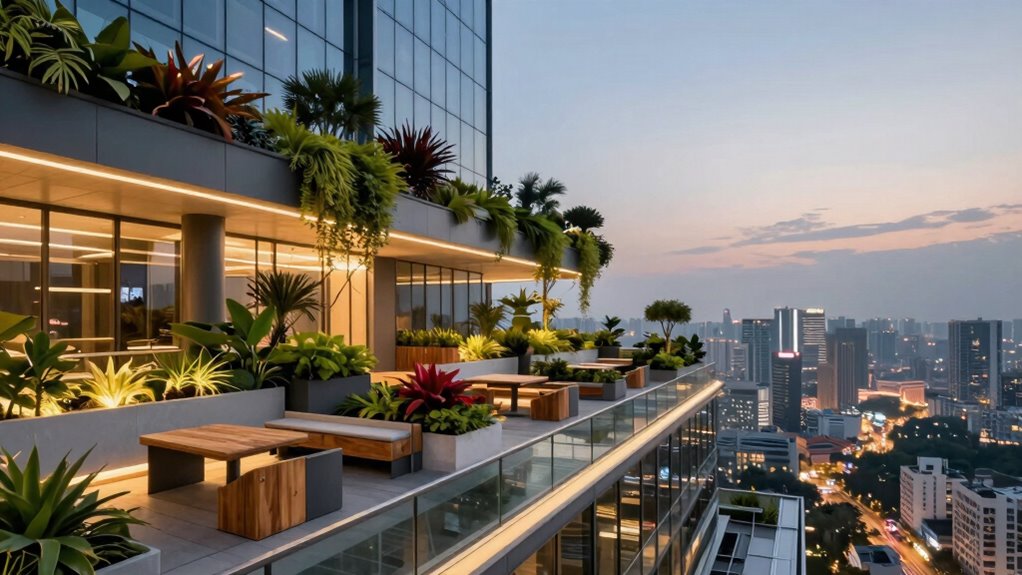
Have you ever wondered how communities bounce back from disruptions and adapt to changing conditions? For affluent consumers, resilience isn’t just about weathering storms; it’s about maintaining a lifestyle that reflects their values and guarantees long-term stability. They see resilience as an essential part of sustainability, integrating it into their purchasing behaviors and investment choices. Luxury resilience, for these consumers, means more than exclusivity—it involves sustainable practices that bolster their financial and ecological security. This mindset drives them to seek out brands and projects that prioritize durability, adaptability, and eco-consciousness.
Luxury resilience combines sustainability, durability, and adaptability to secure long-term stability and reflect core values.
Green investments have become a cornerstone of this approach. Instead of just focusing on immediate returns, wealthy individuals are increasingly directing their resources toward sustainable assets that promise resilience over time. These investments include renewable energy projects, green real estate, and companies committed to reducing their environmental footprint. The idea is to support initiatives that not only generate profit but also contribute to a more sustainable and resilient future. This shift reflects a broader understanding that true luxury involves safeguarding resources, communities, and ecosystems for generations to come.
You might notice that affluent consumers are also paying closer attention to how their choices impact the environment and society. They’re willing to pay a premium for products and services that demonstrate resilience—be it a luxury home built with sustainable materials designed to withstand climate change or a high-end vehicle powered by clean energy. Their emphasis on green investments ensures they’re contributing to a resilient infrastructure that can adapt to economic and environmental shocks. They view these investments as a way to hedge against future risks, aligning their wealth with values of sustainability and resilience. Additionally, their focus on climate adaptation highlights their proactive approach to managing risks associated with environmental changes.
Furthermore, this approach isn’t just about individual gain; it’s about creating a ripple effect. When wealthy consumers champion resilient and sustainable practices, they influence industries and policymakers to prioritize long-term stability. They see resilience as an integral part of a sustainable lifestyle, one that ensures their investments and possessions remain valuable and functional in an uncertain world. They also recognize the importance of indoor air quality solutions in fostering a resilient and healthy living environment, especially as climate change impacts become more pronounced. Incorporating biodiversity into their investment and lifestyle choices further reinforces their commitment to a resilient ecological future. An understanding of climate change and its implications helps them make more informed and impactful decisions. By integrating luxury resilience and green investments into their routines, they are redefining what it means to be a responsible, forward-thinking consumer. Resilience, for them, isn’t a reaction to crises—it’s a proactive strategy to uphold their lifestyle, protect their assets, and foster a sustainable future for everyone.
As an affiliate, we earn on qualifying purchases.
Frequently Asked Questions
How Do Affluent Consumers Define Resilience in Sustainability?
You see resilience in sustainability as luxury resilience, meaning it’s about maintaining quality and stability amid challenges. You value consumer adaptability, which allows you to adjust your choices and behaviors to support long-term sustainability. To you, resilience isn’t just survival; it’s a way to uphold your lifestyle, protect resources, and guarantee future stability. This mindset helps you stay committed to sustainable living while enjoying the luxury and flexibility you desire.
What Specific Resilient Practices Are Luxury Brands Adopting?
Luxury brands are adopting resilient practices like emphasizing luxury craftsmanship and ethical sourcing. They focus on creating durable products with high-quality materials, ensuring longevity and reducing waste. Additionally, they prioritize ethical sourcing by working with responsible suppliers who uphold fair labor practices and sustainable methods. These strategies help brands build resilience by maintaining reputation, meeting consumer expectations, and contributing to environmental and social sustainability, ultimately reinforcing their commitment to enduring quality and responsibility.
How Does Resilience Impact Long-Term Investment in Sustainable Products?
In the blink of an eye, resilience shapes your long-term investment in sustainable products by reinforcing a consumer mindset that values durability and adaptability. This encourages brand innovation, making products not just eco-friendly but also resistant to future shocks. You’re more likely to commit to brands that prioritize resilience, seeing them as wise investments that promise lasting quality and sustainability—turning today’s choices into tomorrow’s legacy.
Are There Regional Differences in Resilience-Focused Sustainability Efforts?
Yes, regional differences shape resilience-focused sustainability efforts. You’ll find that regional cultural influences influence priorities, with some areas emphasizing community and social resilience more than others. Market maturity variations also play a role; developed markets often adopt advanced resilience strategies faster, while emerging regions focus on foundational sustainability. These differences mean your approach to resilience needs to be tailored to each region’s unique cultural and economic context for maximum impact.
How Is Resilience Measured Alongside Traditional Sustainability Metrics?
You measure resilience alongside traditional sustainability metrics by using resilience metrics that assess a system’s ability to recover from disruptions. These metrics include response times, recovery rates, and adaptability levels. You compare these results to sustainability benchmarks like carbon footprint and resource efficiency. This integrated approach helps you identify vulnerabilities and strengthen your strategies, ensuring long-term resilience and sustainability in your operations.
Conclusion
As an affluent consumer, you’re increasingly recognizing that resilience isn’t just an add-on but a essential part of sustainability. Embracing resilient practices helps safeguard your investments and the environment, ensuring long-term benefits. Did you know that 78% of wealthy individuals now prioritize resilience in their sustainable initiatives? By integrating resilience into your sustainability efforts, you not only protect your assets but also contribute to a more sustainable future, proving that true luxury lies in lasting impact.