
Altcoins aren't dead; they're adapting and evolving within a complex ecosystem shaped by Bitcoin's influence. As the market changes, profits from Bitcoin rallies often flow into altcoins, fueling their growth. Innovations, especially in Ethereum and DeFi, spark interest and drive advancements. Regulatory clarity could further boost altcoin prices, attracting institutional interest. So, while challenges exist, unique opportunities await altcoins. Stick around to uncover more insights about their potential and future directions.
Key Takeaways
- Altcoins are undergoing a transformation rather than being dead, influenced by Bitcoin's performance and market dynamics.
- Price predictions for altcoins like Cardano show potential growth, with significant gains possible despite volatility.
- Ethereum's advancements and the rise of decentralized finance (DeFi) play a crucial role in boosting altcoin interest and growth.
- Regulatory clarity can enhance altcoin prices and stability, attracting institutional interest and fostering market confidence.
- Strong community engagement and technological innovations are vital for the continued success and performance of altcoins.

As the cryptocurrency market evolves, many wonder if altcoins are truly dead or simply undergoing a transformation. You might be surprised to learn that altcoins are very much alive, albeit facing some unique challenges. Bitcoin's dominance plays a significant role here. When Bitcoin rallies, it often leads to profits being funneled into altcoins, sparking their growth. This cycle indicates that altcoins are more than just an afterthought; they're part of an intricate ecosystem influenced by Bitcoin's performance.
Looking ahead, forecasts for 2025 suggest that altcoins will continue to experience price fluctuations. For instance, Cardano (ADA) is projected to range from $0.69 to $2.22, with some optimistic targets reaching up to $2.95. Such predictions highlight that altcoins have the potential for significant gains, even if they face volatility in the short term. Additionally, institutional adoption is expected to play a pivotal role in driving the momentum of various altcoins in the market, especially given the increasing interest in smart contracts.
Ethereum's advancements, especially with Ethereum 2.0 and the rise of decentralized finance (DeFi), are crucial for driving altcoin markets forward. These innovations can create a ripple effect that benefits a variety of altcoins.
Regulatory clarity is another key factor that can dramatically affect altcoin prices. Take XRP, for example; its trajectory is likely to improve with an expected resolution in its legal battles with the SEC. As regulations become clearer, institutional interest in altcoins will likely increase, which could lead to price surges.
This institutional backing, combined with ongoing technological enhancements, can create a robust environment for altcoins. However, you must also be aware of the volatility and speculative nature that characterize the crypto market. Altcoins can experience rapid price increases driven by fear of missing out (FOMO) during bull runs, only to plummet in bear markets.
This cycle isn't new, and understanding it's key to navigating the altcoin landscape. Media narratives and community engagement also play vital roles in shaping public perception. Projects that actively cultivate community support tend to perform better, proving that engagement can make a significant difference.
Finally, technological advancements and scalability improvements are essential for altcoins to thrive. The ongoing development of networks like Solana (SOL) and successful blockchain upgrades for others, such as Binance Coin (BNB), can significantly impact their performance.
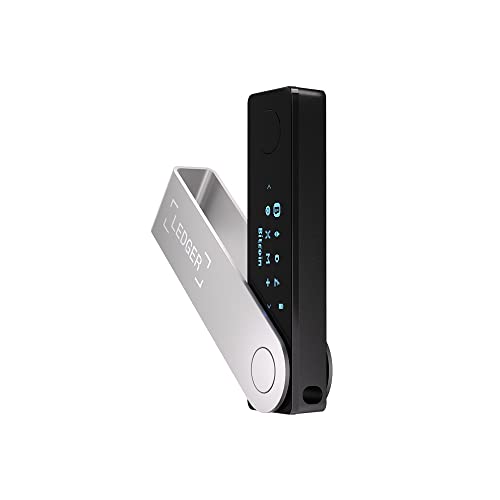
Ledger Nano X – Classic Crypto Wallet with Bluetooth
- All-in-One Crypto Management: Buy, sell, send, receive, swap, stake
- Supports 15,000+ Coins & Tokens: Manage a wide range of cryptocurrencies
- Market Monitoring & Alerts: Track performance and get timely updates
As an affiliate, we earn on qualifying purchases.
As an affiliate, we earn on qualifying purchases.
Frequently Asked Questions
What Are the Most Promising Altcoins to Invest in Now?
If you're looking for promising altcoins to invest in now, consider Cardano (ADA), Solana (SOL), Polkadot (DOT), and Avalanche (AVAX).
Each has significant potential, driven by technological advancements and market conditions.
For ADA, watch the $0.443 Fibonacci level.
SOL needs to break the $100 psychological barrier.
DOT's growth hinges on community support, while AVAX relies on continued market acceptance.
Keep an eye on these factors to make informed investment decisions.
How Do I Safely Store My Altcoins?
To safely store your altcoins, consider using hardware wallets like Trezor or Ledger, which offer advanced security features and wide coin support.
You can also explore cold storage options for offline protection against hacks.
Ensure your chosen wallet has user-friendly interfaces and robust backup methods.
Don't forget to look for portability and integration with apps for added convenience.
Always prioritize wallets that meet high-security standards for your peace of mind.
What Are the Main Differences Between Bitcoin and Altcoins?
The main differences between Bitcoin and altcoins lie in their purpose and functionality.
Bitcoin focuses on being a digital currency for transactions, while altcoins often address specific use cases like smart contracts or decentralized finance.
Transaction speeds vary too, with Bitcoin processing around seven transactions per second, whereas many altcoins, like Dash, are much faster.
Finally, Bitcoin tends to be more stable, while altcoins can offer higher risk and potential rewards.
How Do Altcoin Regulations Vary by Country?
Altcoin regulations vary significantly across countries.
In Costa Rica, cryptocurrencies aren't considered currency, while El Salvador recognizes Bitcoin as legal tender.
Brazil has established a regulatory framework for virtual asset providers, and the UK mandates authorization for digital currency companies.
Singapore taxes cryptocurrency gains, but lacks specific altcoin regulations.
South Korea requires registration for exchanges and has banned privacy coins.
Each nation approaches altcoin regulation based on its unique economic and legal landscape.
Can Altcoins Recover After a Market Crash?
Yes, altcoins can recover after a market crash.
You'll see resilience in many tokens like XRP and BGB, which are already showing growth potential. As investor confidence returns and market dynamics shift, altcoins are likely to bounce back.
Historical trends suggest that after downturns, there's often a rebound, especially with regulatory clarity and increased trading volume.
Keep an eye on emerging technologies and the overall market sentiment for promising signs.
Conclusion
In conclusion, altcoins aren't dead; they're evolving. While the market may face fluctuations and skepticism, many altcoins continue to innovate and find real-world applications. It's essential to stay informed and recognize the potential these digital currencies hold. So, don't buy into the hype that they're finished—explore the possibilities and see how they can shape the future of finance. Your next investment opportunity might just be a promising altcoin waiting to be discovered!