Kering and L’Oréal have formed a unique 50-year licensing partnership, allowing Kering to focus on fashion and leather goods while L’Oréal gains access to iconic brands like Creed and Gucci. This long-term deal strengthens L’Oréal’s luxury beauty portfolio and expands its global reach, especially in high-growth regions like Asia. If you want to understand how this collaboration could shape the future of luxury brands, there’s more to uncover below.
Key Takeaways
- Kering and L’Oréal signed a 50-year licensing agreement to transfer Kering’s beauty brands to L’Oréal.
- The deal includes brands like Creed, Gucci, Bottega Veneta, and Balenciaga, with licenses spanning five decades.
- The long-term license provides stability, enabling L’Oréal to expand these luxury brands globally.
- This partnership allows Kering to focus on core fashion and leather goods by divesting its beauty division.
- The agreement highlights strategic industry shifts towards extended licensing to strengthen brand presence.
Kering and L’Oréal have forged a groundbreaking partnership by signing a 50-year licensing agreement that unites their luxury beauty ambitions. This deal, valued at around €4 billion ($4.66 billion), marks a significant shift in how both companies approach the high-end beauty market. Kering will sell its beauty business, including the prestigious Creed fragrance brand and long-term licenses for Gucci, Bottega Veneta, and Balenciaga, to L’Oréal. These licenses are exclusive and will run for five decades, ensuring L’Oréal has considerable control over product development and distribution for these iconic brands. The current licensing agreement for Gucci fragrances held by Coty will transfer to L’Oréal once the contract expires, estimated around 2028. This strategic move allows Kering to focus on its core strengths in fashion and leather goods, freeing it from the complexities of managing a luxury beauty division. Instead, Kering aims to open the long-term potential of its luxury houses by partnering with a global leader in beauty, leveraging L’Oréal’s expertise and infrastructure.
From L’Oréal’s perspective, this deal considerably expands its luxury portfolio, giving it access to some of the most coveted brands in the industry. Creed, with its heritage of craftsmanship and natural ingredients, adds a prestigious dimension to L’Oréal’s fragrance offerings. Meanwhile, the licenses for Gucci, Balenciaga, and Bottega Veneta enable L’Oréal to enhance its positioning in the global luxury market, especially in high-growth regions like Asia. The license terms, set for 50 years, are among the longest in luxury beauty licensing, providing stability and a platform for innovation. L’Oréal’s extensive research and development capabilities, combined with its marketing and distribution strength, will be instrumental in scaling these brands worldwide. The partnership also opens opportunities for new product categories, such as wellness and luxury skincare, where L’Oréal’s expertise can be integrated with the brands’ heritage and exclusivity. Furthermore, this collaboration highlights the importance of evidence-based insights in effectively meeting consumer demands and preferences.
This deal is not just about expanding portfolios; it’s a strategic move to address financial pressures and realign company focus. Kering, which launched its beauty division only in 2023 after acquiring Creed for €3.5 billion, reported a €60 million operating loss in the first half of 2025. By divesting these assets, Kering aims to reduce its high net debt, which stood at €9.5 billion as of June 2025, along with €6 billion in lease liabilities. The move reflects a broader shift initiated by Kering’s new CEO, Luca de Meo, to concentrate on the fashion and leather goods sector while capitalizing on L’Oréal’s global reach and expertise. Additionally, the deal underscores the growing importance of Asia as a key market for luxury beauty brands. For L’Oréal, this partnership reinforces its leadership in luxury beauty, positioning it to compete more effectively in the high-end fragrance and cosmetics markets worldwide.

Creed Aventus Cologne, Men's Luxury Cologne, Dry Woods, Fresh & Citrus Fruity Fragrance, 100 ML
Aventus combines tantalising head notes of lemon, pink pepper & bergamot with a complementary floral heart of pineapple,…
As an affiliate, we earn on qualifying purchases.
As an affiliate, we earn on qualifying purchases.
Frequently Asked Questions
How Will the License Impact Future Collaborations Between Kering and L’Oréal?
The license will pave the way for more collaborations between you and Kering, fostering shared innovation and expanding your luxury offerings. You’ll have the chance to co-develop products that blend Kering’s luxury expertise with L’Oréal’s innovation power. This partnership encourages joint ventures, especially in wellness and lifestyle sectors, allowing you to create unique, high-end experiences. Overall, the license strengthens your ability to work closely with Kering on future projects.
What Specific Products or Brands Are Covered Under This License Agreement?
You’re covered for fragrance and beauty products under this license, including perfumes, colognes, and cosmetics. The brands involved are Bottega Veneta, Balenciaga, Gucci (starting after 2028), and Creed. You won’t have rights for Yves Saint Laurent, which L’Oréal already owns. This deal lets you create, develop, and distribute these luxury products globally, expanding your portfolio and strengthening your presence in the high-end beauty market.
How Does This License Influence the Competitive Landscape in the Luxury and Beauty Sectors?
This license gives you a strategic edge by boosting L’Oréal’s presence in luxury beauty, directly competing with other conglomerates. It shifts market shares as Kering’s high-profile brands become part of L’Oréal’s portfolio, enhancing brand recognition across sectors. With long-term stability, it discourages rivals from pursuing similar deals, forcing them to innovate or seek alternative partnerships. Overall, this move solidifies L’Oréal’s dominance and reshapes competitive dynamics in both luxury and beauty markets.
Are There Any Geographic Restrictions Associated With the License Terms?
You’re in luck—there are no specific geographic restrictions tied to the license terms, meaning you can expect broad, global access for developing and distributing these brands. This flexibility allows L’Oréal to tap into emerging markets and strengthen its luxury portfolio worldwide. As a result, both companies can maximize their reach, especially in key regions like Asia, fueling growth and cementing their positions in the competitive luxury beauty landscape.
What Are the Long-Term Strategic Goals Behind This Licensing Partnership?
Your long-term strategic goal is to strengthen your position in the luxury beauty market by expanding your iconic brand portfolio and creating stable revenue streams through exclusive licensing agreements. You aim to leverage Kering’s heritage brands and combine them with L’Oréal’s innovation to explore new growth areas like wellness and longevity. This partnership enhances your competitive edge, boosts market presence, and aligns your focus on high-end consumer trends for sustained success.
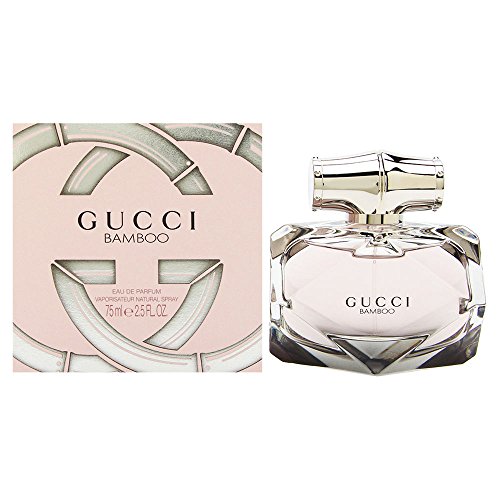
Gucci Bamboo by Gucci for Women 2.5 oz Eau de Parfum Spray
Type: Eau De Parfum
As an affiliate, we earn on qualifying purchases.
As an affiliate, we earn on qualifying purchases.
Conclusion
This half-century license shows how you can bridge the past and future, just like a vintage record spinning timeless tunes. By uniting Kering and L’Oréal, you see how brands can collaborate beyond borders and decades. As you navigate today’s fast-changing market, remember that lasting partnerships, like a well-loved classic, are rare and valuable. Embrace the power of history and innovation working hand in hand—because some things, like this license, are truly timeless.
Balenciaga skincare products
As an affiliate, we earn on qualifying purchases.
As an affiliate, we earn on qualifying purchases.
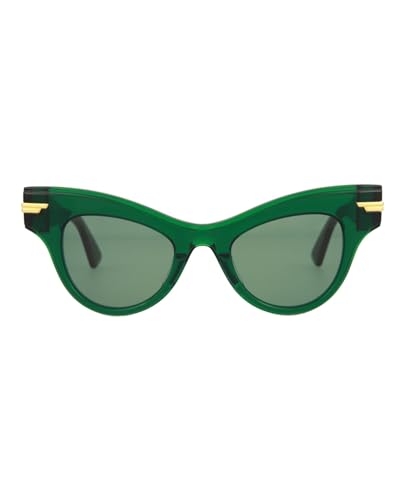
Bottega Veneta Cat Eye Sunglasses Green Luxury Eyewear Made In Japan Acetate Frame Designer Fashion for Everyday Luxury
Lens Width: 47 millimeters
As an affiliate, we earn on qualifying purchases.
As an affiliate, we earn on qualifying purchases.