
When you spend cryptocurrency on everyday items, you may trigger capital gains taxes if the asset’s value has increased since you acquired it. The IRS treats crypto as property, meaning you need to report any gains. How long you’ve held your cryptocurrency affects the tax rate; short-term gains are taxed as ordinary income, while long-term gains often have lower rates. Being aware of these implications can help you make smarter spending decisions and minimize surprises, so keep exploring for more insights.
Key Takeaways
- Spending cryptocurrency for everyday items can trigger capital gains taxes if its value has increased since purchase.
- Record-keeping is essential; document transaction dates, amounts, and purposes to ensure accurate tax reporting.
- Short-term gains from crypto held under a year are taxed at higher ordinary income rates, impacting overall tax liability.
- Understanding local regulations is crucial, as cryptocurrency tax laws vary by country and can change frequently.
- Strategic planning around crypto spending can help minimize unexpected tax bills and ensure compliance with IRS requirements.

As you immerse yourself in the world of cryptocurrency spending, it’s vital to understand the tax implications that come with it. When you use cryptocurrency to pay for everyday items, you’re not just making a transaction; you’re also engaging in an act that can trigger capital gains taxes. This means that if the value of your cryptocurrency has increased since you acquired it, you may owe taxes on that gain when you spend it. In essence, using your digital assets can be treated similarly to selling a stock or any other investment.
You might think it’s just a simple purchase, but the IRS treats cryptocurrency as property, not currency. This distinction is fundamental because it means you need to track your basis—the original value of your cryptocurrency—for tax purposes. When you spend your cryptocurrency, you compare its current value to your basis to determine if there’s a gain or loss. If you bought Bitcoin at $5,000 and it’s worth $10,000 when you buy a coffee, you’re looking at a $5,000 gain, which will likely be subject to capital gains taxes.
Navigating the labyrinth of cryptocurrency regulations can feel overwhelming. Each country has its own rules, and those can change frequently. In the U.S., for example, the IRS has made it clear that they expect taxpayers to report gains from cryptocurrency transactions. This means you need to keep meticulous records of your transactions, including dates, amounts, and the purpose of your spending. Failing to report this information could lead to penalties or audits down the line.
It’s also important to think about the holding period of your cryptocurrency. If you hold your assets for more than a year before spending, you might benefit from long-term capital gains rates, which are generally lower than short-term rates. If you spend cryptocurrency you’ve held for less than a year, you’ll typically pay higher short-term capital gains taxes, often at your ordinary income tax rate.
As you navigate your cryptocurrency spending, staying informed about the latest regulations and tax implications will empower you to make smarter financial decisions. By understanding how capital gains taxes apply to your transactions, you can better plan your spending and avoid unexpected tax bills. Ultimately, being proactive about your tax obligations will help you enjoy your cryptocurrency while minimizing any financial surprises. Additionally, considering the best waterwick pots for your indoor plants can enhance your home environment while you manage your crypto investments.

Cryptocurrency Transaction Ledger
As an affiliate, we earn on qualifying purchases.
As an affiliate, we earn on qualifying purchases.
Frequently Asked Questions
Can I Use Cryptocurrency for Online Shopping Without Tax Implications?
You can use cryptocurrency for online shopping, but there might be tax implications. If you gift or donate your crypto, you’ll need to take into account the crypto donation rules, as these can affect your tax situation. Keep in mind that spending crypto as a purchase usually triggers a taxable event. So, before using your cryptocurrency, it’s wise to track your transactions and consult a tax professional to avoid surprises come tax time.
Are There Specific Merchants That Accept Cryptocurrency Payments?
Yes, there are specific merchants that accept cryptocurrency payments. Many online retailers, like Overstock and Newegg, provide cryptocurrency acceptance as part of their payment options. You can also find local businesses and restaurants that accept Bitcoin or other cryptocurrencies. It’s worth checking if your favorite stores support crypto payments, as adoption is growing. Just make sure to validate their payment methods before you shop to ensure a smooth transaction experience.
How Do I Track Cryptocurrency Transactions for Tax Purposes?
Tracking cryptocurrency transactions for tax purposes can feel like herding cats! To stay organized, you should use cryptocurrency auditing tools or tax reporting software. These tools automatically track your transactions, calculate gains or losses, and generate reports you can submit. Make sure to keep records of each transaction, including dates, amounts, and involved parties. Regularly reviewing your activity will make tax time a breeze, ensuring you’re prepared and compliant.
What Happens if I Spend Cryptocurrency at a Loss?
If you spend cryptocurrency at a loss, you can potentially use that loss for tax loss harvesting. This means you can offset gains from other investments to reduce your tax liability. However, be careful of cryptocurrency wash sales; if you repurchase the same asset within 30 days, the IRS may disallow your loss. Keep detailed records of your transactions to guarantee you’re compliant and maximize your tax benefits effectively.
Can I Receive Cash Back When Spending Cryptocurrency?
Sure, you can receive cash back when spending cryptocurrency, but let’s not pretend it’s like finding a dollar in your old coat pocket! You’ll need a specific credit card or platform that offers that perk. While you’re at it, don’t forget about cryptocurrency mining and crypto wallet security, because nothing says “I’m living the dream” like losing your hard-earned gains due to a hack. So, keep your crypto safe and enjoy that cash back!
![(Old Version) H&R Block Tax Software Premium 2024 Win/Mac with Refund Bonus Offer (Amazon Exclusive) [PC/Mac Online Code]](https://m.media-amazon.com/images/I/41VMI++aOLL._SL500_.jpg)
(Old Version) H&R Block Tax Software Premium 2024 Win/Mac with Refund Bonus Offer (Amazon Exclusive) [PC/Mac Online Code]
Choose to put your refund on an Amazon gift card and you can get a 2% bonus. See…
As an affiliate, we earn on qualifying purchases.
As an affiliate, we earn on qualifying purchases.
Conclusion
In summary, spending your cryptocurrency can have unexpected tax implications, so it’s essential to stay informed. For example, if you buy a new laptop for $1,000 using Bitcoin that you purchased for $500, you could face a capital gains tax on the $500 profit. Always consider the potential tax impact before making purchases. By understanding these nuances, you can enjoy your crypto while minimizing surprises come tax season. Remember, knowledge is your best asset!

Arculus Crypto Cold Storage Wallet, Secure Bitcoin Wallet, Supports 95% of Cryptocurrency Market Cap, 3-Factor Authentication, Black
Superior Security – Elevate the cold storage safety of your digital assets with Arculus's innovative 3-factor authentication system:…
As an affiliate, we earn on qualifying purchases.
As an affiliate, we earn on qualifying purchases.
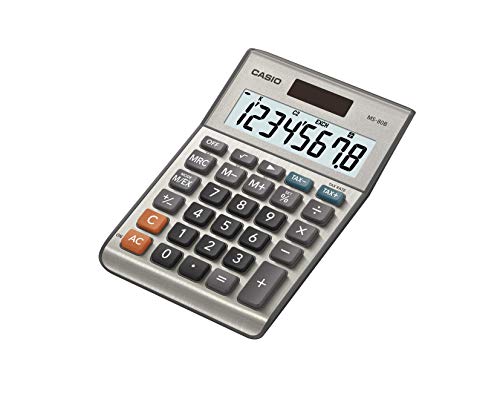
Casio MS-80B Calculator – Desktop Calculator with Tax & Currency Tools | General Purpose | Large Display | Ideal for Home, Office & Everyday Math
LARGE EIGHT-DIGIT DISPLAY – Clear and easy-to-read 8-digit display, perfect for everyday calculations and ensuring accurate results in…
As an affiliate, we earn on qualifying purchases.
As an affiliate, we earn on qualifying purchases.