

In the hidden world of blockchain transactions, every transfer of cryptocurrency reveals vital information about market trends and user behavior. Each transaction, signed with a sender's private key, ensures security and is verified by miners who add it to the public ledger. This process creates transparency and allows for onchain analysis, providing traders with insights to shape their strategies. If you explore further, you'll uncover even more layers of this fascinating digital landscape.
Key Takeaways
- Onchain transactions refer to cryptocurrency transfers recorded directly on the blockchain, ensuring transparency and immutability.
- Miners play a crucial role in validating and adding transactions to the blockchain through solving complex mathematical puzzles.
- Each transaction incurs a fee that incentivizes miners to prioritize processing based on the fee amount.
- Security is enhanced by signing transactions with the sender's private key, proving ownership and preventing unauthorized transfers.
- Onchain analysis provides insights into market trends, user behavior, and transaction patterns, influencing trading strategies and financial reporting.

When you dive into the world of blockchain, you'll discover a complex yet fascinating network of transactions that power cryptocurrencies. At the core of every transaction is the amount of cryptocurrency being transferred, which specifies how much digital currency is changing hands. Each transaction also includes a transaction fee, which incentivizes miners to prioritize it.
Miners are the backbone of the blockchain, ensuring that transactions are confirmed and added to the public ledger. They work tirelessly to solve complicated mathematical puzzles, and the first one to succeed gets to create a new block filled with verified transactions.
Once a transaction is initiated, the sender must sign it using their private key. This signature proves ownership of the assets being transferred and is crucial for security. After signing, the transaction is timestamped, which not only records when it occurred but also enhances the transparency and immutability of the blockchain. Decentralized databases are essential for maintaining multiple copies of the blockchain, ensuring data integrity across the network.
You'll notice that each transaction you engage in is broadcast to the network, where nodes actively receive and validate it. These nodes check that the sender has sufficient funds and that the transaction complies with the network's rules.
After your transaction is verified, it enters the mining process. This is where miners compete to create blocks. They gather transactions, including yours, into a block and race to solve a cryptographic puzzle. Once a miner successfully adds their block to the blockchain, it becomes immutable, meaning no one can change it later.
This immutability is a key feature that helps maintain trust in the system. The consensus mechanism facilitates agreement among all nodes on the current state of the blockchain, ensuring its integrity and security.
Understanding transaction types is also essential in the blockchain ecosystem. You can buy cryptocurrencies using fiat currencies, sell them for fiat, trade one crypto for another, transfer assets between accounts, or receive crypto as gifts or rewards. Each of these transactions has unique implications, especially when it comes to tax calculations and financial reporting.
Onchain analysis plays a vital role in understanding market trends and user behavior. By examining blockchain data, you can gain valuable insights into transaction volumes, user activity, and asset movements. This information is crucial for making informed trading decisions.
If you're a trader, you'll want to keep an eye on these data points to identify patterns that may influence your strategy.
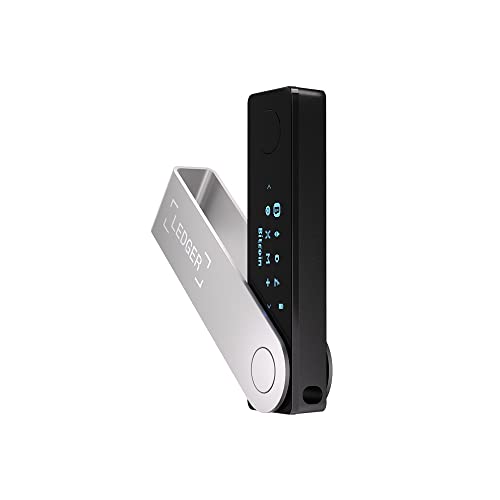
Ledger Nano X – Classic Crypto Wallet with Bluetooth
- All-in-One Crypto Management: Buy, sell, send, receive, swap, stake
- Supports 15,000+ Coins & Tokens: Manage a wide range of cryptocurrencies
- Market Monitoring & Alerts: Track performance and get timely updates
As an affiliate, we earn on qualifying purchases.
As an affiliate, we earn on qualifying purchases.
Frequently Asked Questions
What Distinguishes Onchain From Offchain Transactions?
On-chain transactions are recorded directly on the blockchain, ensuring high security and transparency through consensus mechanisms.
They can be slower and more expensive due to resource demands.
Off-chain transactions, however, occur outside the blockchain, offering faster processing and lower fees, but they come with potential security risks.
While on-chain provides trustless transfers ideal for high-value transactions, off-chain is better suited for quick, cost-effective solutions like microtransactions.
How Can I Track My Blockchain Transactions?
To track your blockchain transactions, you've got to know where to look. First, grab the unique transaction hash from your wallet's history.
Then, choose a blockchain explorer that matches your network, like Etherscan for Ethereum. Paste the hash into the search bar and hit enter.
You'll see the transaction status, block number, and more. Keep an eye on confirmation numbers to ensure everything's above board.
Save those details for future reference!
Are Blockchain Transactions Completely Anonymous?
Blockchain transactions aren't completely anonymous; they're pseudonymous. Each transaction is linked to a wallet address rather than your real name, but anyone can view these transactions on a public ledger.
While some privacy features exist, like those in privacy coins, the vast majority of blockchains, including Bitcoin, allow for tracing back to wallet addresses.
What Happens if a Blockchain Transaction Fails?
If a blockchain transaction fails, you might face several issues. It could be due to insufficient funds, network congestion, technical glitches, incorrect recipient addresses, or conflicting transactions.
When a transaction fails, your funds remain in your wallet, and you'll need to address the underlying cause.
To prevent failures, always double-check recipient addresses, ensure you have enough funds, and consider network conditions before initiating transactions.
Can Onchain Transactions Be Reversed or Altered?
You might think you can just hit "undo" on a blockchain transaction, but it's a one-way street!
Once a transaction's confirmed, it's set in stone—immutable and irreversible.
While you can attempt to cancel or replace it, there's no guarantee it'll work, and you could end up with stuck transactions.
Conclusion
In conclusion, understanding onchain transactions opens your eyes to the vast potential of blockchain technology. Did you know that as of late 2023, over 1,300 cryptocurrencies are actively traded, each with its own unique transaction history? This statistic highlights the complexity and dynamism of the blockchain landscape. By diving deeper into onchain data, you can uncover valuable insights and opportunities, making you more informed and empowered in this digital age.