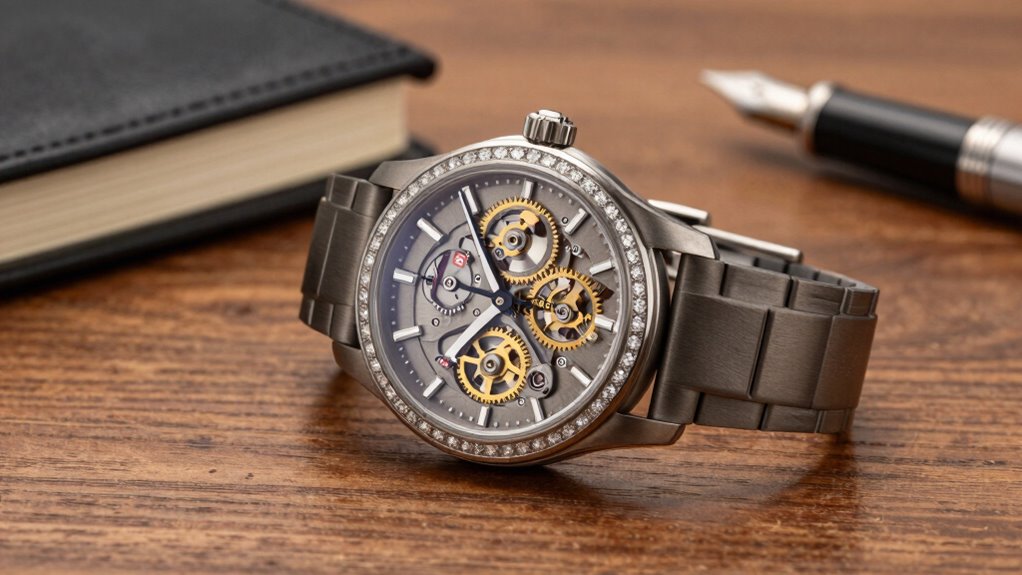

Even when money isn’t a concern, you still care about durability because it confirms the genuine value and craftsmanship behind your luxury items. A durable piece lasts longer, ages gracefully, and maintains its beauty over time, reinforcing your investment’s worth. It also reflects high-quality materials and innovative design, which define true luxury. Prioritizing durability shows you’re drawn to products that offer lasting relevance and emotional connection. If you’re curious, there’s more to discover about what makes durability so essential for premium lifelong ownership.

Get business pricing on tech for your team
- Business-only prices and quantity discounts
- Tax-exempt purchasing
- Multiple users, one account, clear invoices
Key Takeaways
- They value products that maintain their appearance and function over time, ensuring lasting satisfaction.
- Durability reflects exceptional craftsmanship, reinforcing the perceived prestige of luxury items.
- Long-lasting products reduce the need for frequent replacements, supporting sustainable and responsible consumption.
- They seek items that can adapt to changing lifestyles while preserving their elegance and relevance.
- Durability provides reassurance of reliability and quality, aligning with the emotional and symbolic aspects of luxury.
Even as luxury products often emphasize aesthetics and brand prestige, premium buyers still prioritize durability because they want their investments to last. When you’re investing in a high-end piece, whether it’s a designer handbag, a luxury watch, or bespoke furniture, you’re not just paying for looks—you’re paying for longevity. Durability becomes a marker of true quality, signaling that the product can withstand the test of time and daily use. This desire isn’t driven solely by practicality; it’s rooted in the understanding that a well-made luxury item retains its value, both emotionally and financially, over years or even decades.
Durability signals true quality, ensuring luxury investments last and retain value over time.
Luxury branding plays a significant role here. When brands position themselves as icons of craftsmanship and excellence, they also set expectations for durability. You want a product that not only looks stunning but also stands up to the rigors of everyday life. This is why many premium brands invest heavily in material innovation—developing new, stronger materials that enhance the lifespan of their products. For instance, high-tech ceramics, advanced composites, or specially treated leathers are used to create items that resist scratches, wear, and environmental damage. These innovations aren’t just about aesthetics; they’re about creating a product that you can rely on, no matter how often or vigorously you use it. Embracing material innovation is crucial for ensuring these high standards. Additionally, a focus on long-term value ensures that luxury purchases continue to serve their owners well over time.
You also recognize that durability in luxury goods isn’t just a matter of function; it’s a symbol of value. A product that ages gracefully or can be restored and maintained demonstrates a level of craftsmanship that justifies the premium price. When you buy luxury items crafted with material innovation in mind, you’re investing in pieces that can adapt to your lifestyle, staying relevant and beautiful for years to come. This long-term perspective means you’re less interested in fleeting trends and more focused on timeless quality. Moreover, durable luxury goods often involve sustainable practices, aligning with a growing awareness of environmental impact and responsible consumption.
Furthermore, durability ties into the sustainability aspect of luxury branding. When a product lasts longer, it reduces waste and aligns with a more conscious consumption mindset. You’re less likely to discard or replace an item prematurely, which makes your investment more meaningful. The combination of luxury branding and material innovation reassures you that your purchase isn’t just about status but about owning something that embodies craftsmanship, resilience, and enduring value. In the end, even with the freedom to spend freely, you still seek out products that are built to last—because true luxury is about timeless quality, not just superficial glamour.
Products Worth Considering

Apple Watch Series 12 GPS 42mm

DJI Mic 3 (2 TX + 1 RX + Charging Case) Wireless Microphone

Samsung 32-inch Odyssey G5 G51F QHD 180Hz Gaming Monitor
As an affiliate, we earn on qualifying purchases.
Frequently Asked Questions
How Does Durability Influence Resale Value for Premium Products?
Durability markedly boosts resale value for premium products because it reflects strong brand reputation and long-lasting quality. When you sell, buyers see a durable item as an investment, expecting fewer maintenance costs and less wear. This trust in the brand’s reputation encourages higher resale prices, knowing the product has maintained its quality over time. So, durability reassures buyers and maximizes your product’s value in the resale market.
Are There Specific Materials That Enhance Durability in Luxury Items?
Did you know that high-quality leather, titanium, and ceramic often last twice as long as standard materials? These materials are at the forefront of material innovation, enhancing durability in luxury items. You’ll also appreciate the craftsmanship excellence involved, ensuring each piece withstands wear and tear. By choosing these materials, you’re investing in timeless quality that maintains its elegance and function, even with frequent use.
How Do Premium Buyers Assess Durability Standards Before Purchasing?
You assess durability standards by researching the brand’s reputation and reading reviews to see how products hold up over time. You trust brands known for high-quality craftsmanship because their reputation signifies reliability. You also look for warranties and material details, ensuring the item’s longevity. This process helps you feel confident that your investment will last, reinforcing your trust in the brand and its commitment to durability.
Does Durability Impact the Longevity of Warranties on High-End Products?
Durability definitely impacts warranty longevity for high-end products. For example, a luxury watch brand known for material innovation may offer longer warranties because their reputation depends on sustained quality. When a product’s durability exceeds expectations, brands often extend warranties, boosting brand reputation. Conversely, if durability is compromised, warranties might be shorter. So, durability directly influences how long a high-end product’s warranty lasts, reflecting the brand’s confidence in its materials.
What Role Does Craftsmanship Play in Product Durability?
Craftsmanship plays a vital role in product durability because artisan techniques guarantee meticulous construction and attention to detail. When you prioritize quality, the craftsmanship often involves careful material sourcing, selecting the best materials for longevity. This combination enhances the product’s resilience, making it more than just a luxury item—it’s built to last. Your focus on craftsmanship assures that each piece withstands wear and tear, providing lasting value beyond its initial appearance.
Conclusion
So, even when money isn’t your main concern, you still chase durability as if it’s the ultimate badge of worth. Ironically, your desire for longevity reveals that value isn’t just about price—it’s about peace of mind and trust. You might buy premium for status, but it’s durability that silently whispers, “You’ve truly invested in something that lasts.” Sometimes, the most expensive choice isn’t about spending more, but about buying less worry in disguise.