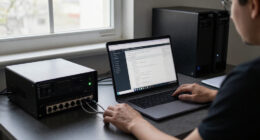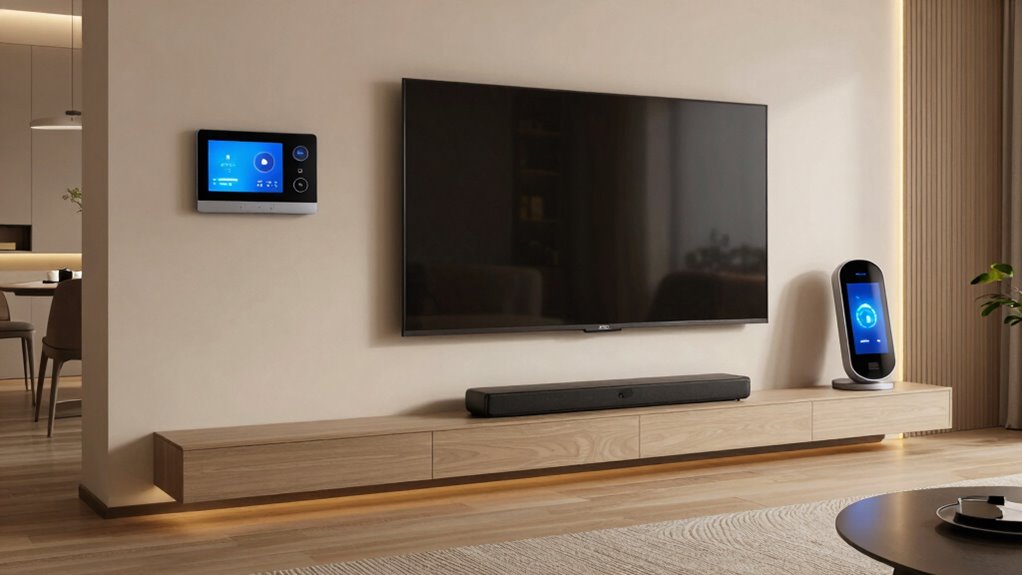

To make your home tech purchase future-proof, choose devices that are adaptable, support open standards, and allow easy upgrades. Look for solutions that integrate smoothly with existing systems and can evolve with new technologies. Prioritize energy-efficient, upgradable hardware from reputable brands that focus on security and compatibility. This way, your system stays current, reliable, and sustainable over time. Keep exploring to discover more ways to build lasting smart home investments.

Get business pricing on tech for your team
- Business-only prices and quantity discounts
- Tax-exempt purchasing
- Multiple users, one account, clear invoices
Key Takeaways
- Supports open standards and popular platforms for seamless integration and ongoing compatibility.
- Regularly receives software updates to enhance features and security.
- Designed for expandability, allowing addition of new devices and technologies over time.
- Incorporates energy-efficient features that adapt to evolving sustainability practices.
- Built with future technological developments in mind, ensuring long-term relevance and upgradeability.

When investing in home technology, thinking ahead can save you time and money down the line. Future-proofing your home means choosing systems that can adapt as technology evolves and your needs change. One of the most critical factors is opting for smart security features. These systems do more than just protect your home today; they’re designed to integrate with other devices and update easily over time. With smart security, you can access live feeds from your phone, receive instant alerts, and even automate responses like locking doors or activating alarms. The key is selecting devices that support open standards or are compatible with popular platforms, ensuring they won’t become obsolete as new technologies emerge. This approach helps you avoid costly replacements and can seamlessly incorporate compatibility standards as new features become available, maintaining a high level of security without hassle.
Energy efficiency is another vital aspect of future-proofing your home tech. Modern energy-saving devices are built to adapt to your lifestyle, reducing waste and lowering utility bills. Look for smart thermostats, LED lighting systems, and appliances that connect to your home’s Wi-Fi network. These devices often come with AI-driven algorithms that learn your routines, optimizing energy use without sacrificing comfort. When you choose energy-efficient solutions today, you’re investing in a smarter, greener future. Many systems offer remote control and scheduling features, so you can fine-tune your home’s energy consumption from anywhere. As energy standards evolve and new, more efficient devices hit the market, selecting those that are compatible with existing systems makes it easier to upgrade without replacing your entire setup. Additionally, choosing devices that support interoperability can simplify integrating new technologies as they become available. Incorporating upgradable hardware ensures your system remains current and functional as innovations develop.
Beyond these features, a future-proof home tech setup should be easy to expand and upgrade. Choose products that support regular software updates and are compatible with popular smart home ecosystems. This ensures your system can grow with your needs, whether that means adding new security cameras, voice assistants, or energy management tools. Also, consider the quality and reputation of the brands you buy from; opting for established companies with a track record of support and innovation can save you headaches later on. Ultimately, future-proofing your home technology is about making smart choices now—focused on adaptability, compatibility, and sustainability—so that your investment remains valuable and functional for years to come.
Products Worth Considering

LG UltraGear 25G590B-B 25-Inch Full HD 1000Hz Gaming Monitor

Samsung Galaxy Tab A11+ (6GB RAM, 128GB Storage) – Gray

LG UltraGear 27-inch QHD OLED Gaming Monitor, 240Hz
As an affiliate, we earn on qualifying purchases.
Frequently Asked Questions
How Often Should I Upgrade My Home Tech Devices?
You should upgrade your home tech devices every 3 to 5 years to stay current and secure. Regular updates enhance home security and energy efficiency, ensuring your devices operate best. Keep an eye on technology trends and manufacturer updates, and prioritize upgrades that improve security features and energy savings. This approach helps your home remain future-proof, maximizing both safety and cost-effectiveness over time.
What Are the Best Brands for Future-Proof Home Technology?
You should prioritize brands known for their strong reputation and extensive smart device compatibility, such as Apple, Samsung, and Google. These brands regularly update their products to support new standards, ensuring your tech remains future-proof. Look for companies with a solid track record of innovation, good customer support, and consistent firmware updates, so your smart home stays current and seamlessly integrates with new devices down the line.
How Does Software Update Support Affect Device Longevity?
Software update support considerably boosts your device’s longevity by ensuring software compatibility with new standards and features. Devices with regular update frequency stay secure, bug-free, and compatible with evolving technology, preventing obsolescence. When purchasing, look for brands that prioritize consistent updates, as this prolongs usability. Active software support means your device adapts over time, reducing the need for early replacement and keeping your smart home future-proof.
Can Smart Home Devices Integrate With Emerging Technologies?
Can your smart home devices truly keep pace with emerging technologies? Yes, but integration challenges and compatibility concerns can hinder this. To future-proof your setup, choose devices that support open standards and regularly update firmware. This guarantees smoother integration with new tech. Most importantly, prioritize products with a strong developer community and clear compatibility policies, so your smart home remains adaptable as innovations evolve, reducing the risk of obsolescence.
What Are the Hidden Costs of Maintaining Future-Proof Home Tech?
You might face hidden costs like increased energy consumption if your devices aren’t energy-efficient, leading to higher utility bills. Additionally, maintaining future-proof home tech involves addressing potential security vulnerabilities that could expose your data or compromise safety. Regular updates and security patches are necessary, which could add to ongoing expenses. Being aware of these hidden costs helps you plan better and *guarantees* your smart home remains secure and cost-effective over time.
Conclusion
To keep your home tech future-proof, think of it like planting a sturdy tree—you want a strong root system that can grow and adapt with time. Focus on flexible, upgradable devices, and stay informed about emerging trends. By doing so, you’re building a home that can weather the storms of technological change, not just a fleeting trend. With this approach, your smart home will be a reliable companion, standing tall through the ages.